

 Preview
 Send
Send Share
Share
 Details

 Download
 Similars
 X-Ray
X-Ray Diaporama
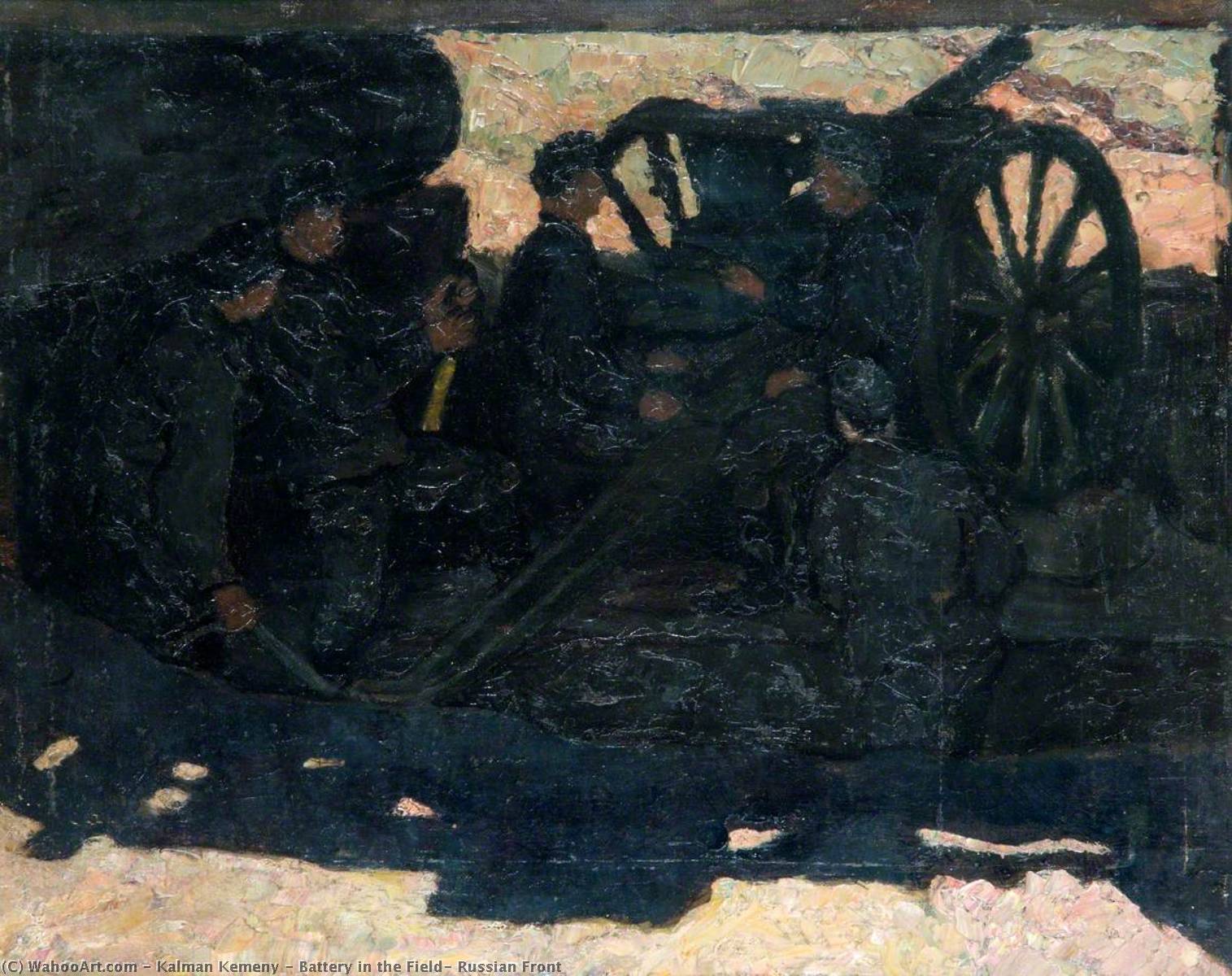
Battery in the Field, Russian Front
 1917
1917 45.0 x 54.0 cm
 Read More
Purchase a high-resolution, enhanced digital image, far superior to the online preview.
Each file is meticulously prepared by our in-house specialists using advanced tools and expert manual retouching. We ensure every image has exceptional clarity, precise color accuracy, and fine detail.
The final file is delivered via email within 72 hours, optimized for immediate use in professional, editorial, and print environments. This is the same quality trusted by top-tier design studios, publishers, and galleries.
Digital Image
Download a high-resolution file for personal display, printing, and creative projects. ( Buy Print Buy Hand Made Painting)
Included in Every Digital Image Order
Expert Digital Delivery, Guaranteed
When you choose ArtsDot.com, you're not just getting an image - you're receiving a professionally enhanced digital artwork, crafted with precision and backed by a satisfaction guarantee. Here's everything that comes with your order, automatically:

Fast Email Delivery
Your high-resolution digital image file will be emailed to you within 72 hours of ordering - ready for immediate use.

AI-Enhanced Digital File
Your artwork is professionally optimized using advanced AI tools and manual editing, ensuring maximum detail, clarity, and color accuracy.

Free Lifetime Re-Delivery
Accidentally deleted or lost your file? No worries - we'll resend it to you anytime, free of charge.

No Import Fees - Ever
Enjoy your artwork instantly with zero customs, duties, or delivery fees - digital downloads are always tax-free.

Color Accuracy Guarantee
We ensure your digital image reflects the original colors as closely as possible using professional tools and color management.

60-Day Satisfaction Guarantee
If you're not satisfied with your digital image, we'll revise it or refund 100% within 60 days - no questions asked.

100% Money-Back Guarantee
Not satisfied? Get a full refund within 60 days of receiving your digital file - no questions asked.

Bulk Order Discounts
Buy 3 images, save 10% - Buy 5, save 15% - Buy 10+, save 20%. Great for creative projects, galleries, and agencies.
Related Artworks








Artist Biography
Kalman Kemeny: A Captivating Witness of War
Kalman Kemeny, a name perhaps less familiar than many of his contemporaries in the annals of 20th-century art, nevertheless stands as a profoundly evocative figure. Born in Nagykanizsa, Hungary, in 1896, Kemeny’s life was irrevocably shaped by the tumultuous events of the early and mid-20th century – first by the horrors of World War I, then by the rise of fascism, and finally, by the devastating conflict of World War II. His artistic journey, fueled by both personal tragedy and a keen observational eye, resulted in a body of work that offers a uniquely poignant and often unsettling glimpse into the realities of war, human resilience, and the quiet dignity found amidst chaos.
Kemeny’s early artistic training laid a solid foundation. He began his studies at the Academy of Fine Arts in Budapest, absorbing the influences of Hungarian realism and academic tradition. However, it was his service as an officer during World War I that fundamentally altered his perspective and would become the defining element of his oeuvre. Assigned to the Austro-Hungarian army on the Italian and Eastern Fronts, Kemeny witnessed firsthand the brutal realities of trench warfare – the mud, the suffering, the sheer exhaustion of men caught in a seemingly endless cycle of violence. These experiences weren’t merely observed; they were deeply internalized, shaping not just his artistic vision but also his understanding of humanity.
The Shadow of War: A Distinctive Artistic Voice
Following the war, Kemeny continued to refine his skills in Vienna and Pilsen, Czechoslovakia. Yet, it was his relocation to London in 1938 that marked a pivotal moment. The outbreak of World War II thrust him into a new context – one of displacement, uncertainty, and a desperate need for connection. He found work in an aircraft factory during the day, while also dedicating himself to painting, often capturing scenes from the war effort and documenting the lives of fellow refugees who had sought sanctuary in Britain. This dual existence—the practical demands of survival alongside the urgent need to create – profoundly influenced his artistic style.
Kemeny’s paintings are characterized by a remarkable realism, tempered with an emotional depth that transcends mere documentation. He eschewed romanticized depictions of heroism and glory, instead focusing on the quiet moments of human experience amidst the devastation. His subjects—often soldiers, laborers, or ordinary civilians—are rendered with meticulous detail, capturing their weariness, their anxieties, and their enduring spirit. His palette is typically muted – browns, grays, and ochres dominate, reflecting the grim realities of his subject matter. However, within these somber tones, he skillfully employed subtle shifts in light and shadow to create a powerful sense of atmosphere and mood.
Key Works and Notable Achievements
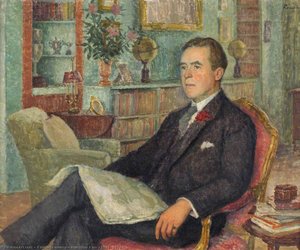
Among Kemeny’s most celebrated works is “Mass in the Field, Russian Front” (1917), a haunting depiction of soldiers gathered for prayer amidst the ravaged landscape. The painting's composition—the figures dwarfed by the vastness of the battlefield—effectively conveys the sense of isolation and vulnerability experienced by those caught in the conflict. Another significant piece is “Hamilton Kerr (1903–1974)” (1945), a poignant portrait capturing a gentleman reading, offering a moment of quiet contemplation amidst the turmoil of war. His work at Ben Uri Art Society, including his portraits of fellow refugees and his landscapes of London, further solidified his reputation as an artist deeply attuned to the human condition.
Kemeny’s artistic legacy extends beyond his individual paintings. He played a crucial role in fostering connections between refugee artists during the war years, contributing to the vibrant cultural scene of post-war London. His dedication to teaching at Hammersmith College of Art ensured that his techniques and insights were passed on to future generations of artists. His retrospective exhibition at Ben Uri Gallery in 1991 served as a fitting tribute to a life dedicated to capturing the complexities of human experience through art.
A Lasting Impression
Kalman Kemeny’s artistic output offers a rare and valuable window into a turbulent era. His paintings are not merely historical records; they are deeply felt expressions of human suffering, resilience, and hope. His ability to convey the emotional weight of war—without resorting to sensationalism or melodrama—makes him a significant figure in 20th-century art. Though his name may not be widely recognized, Kemeny’s work continues to resonate with viewers today, reminding us of the enduring power of art to bear witness to the darkest chapters of human history and to celebrate the quiet dignity of the human spirit.
kalman kemeny
1896 - 1994
Quick Facts
- Artistic Movement Or Style: Realism, Portraiture
- Artists Or Movements Influenced By This Artist: ['Ben Uri Collection']
- Artists Who Influenced This Artist:
- Theo Balden
- Erich Bischoff
- Date Of Birth: 1896
- Date Of Death: 1994
- Full Name: Kalman Kemeny
- Nationality: Austro-Hungarian, British
- Notable Artworks:
- Mass in the Field
- Hamilton Kerr
- The Tobacconist
- Place Of Birth: Nagykanizsa, Hungary

