 Preview
 Send
Send Share
Share
 Details

 Download
 Similars
 X-Ray
X-Ray Diaporama
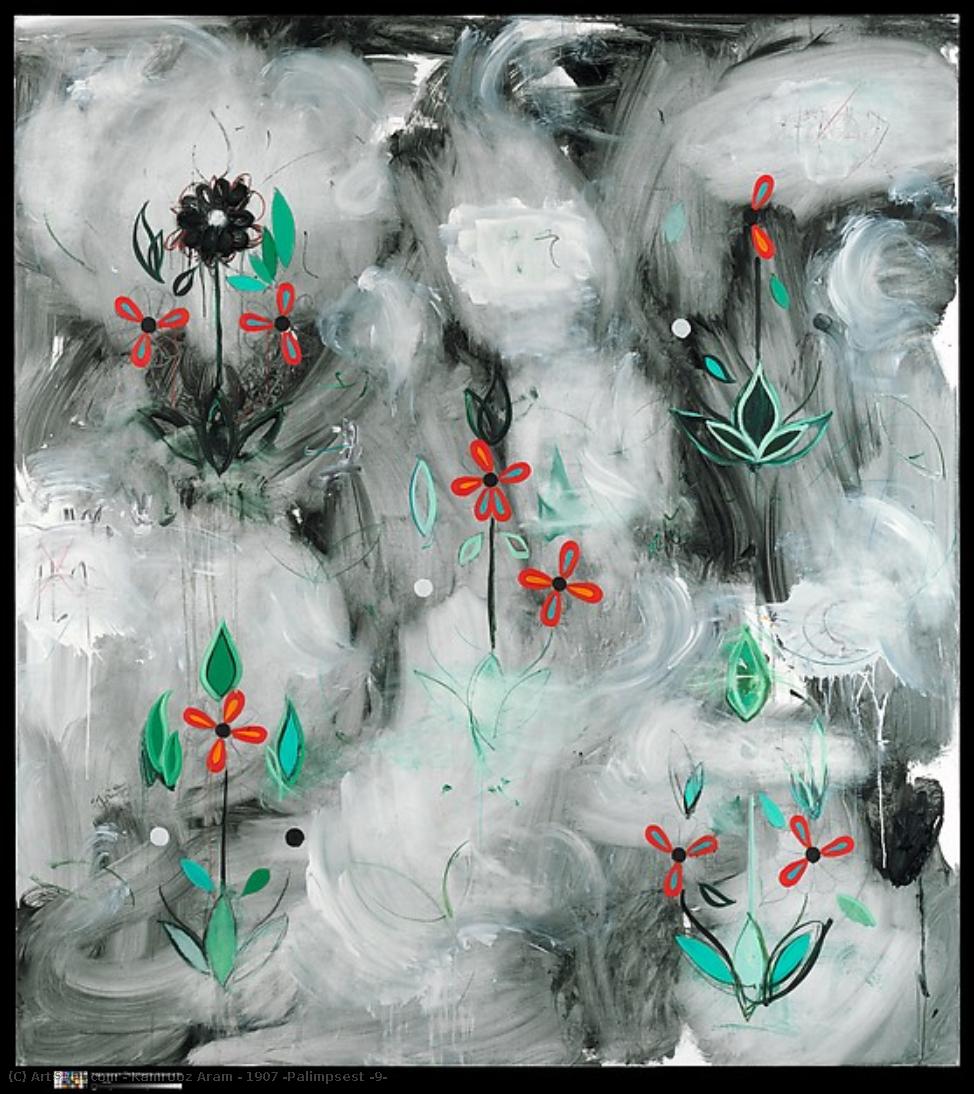
1907 (Palimpsest #9)

 Read More
Giclée / Art Print
Museum-quality giclée or canvas print with fast production and flexible finish options. ( Buy Hand Made Painting Buy Image)




































Pick from our preset sizes that match the artwork's original proportions.

You may enter your own dimensions to fit a specific frame or space. If your selected size does not match the original image's proportions, we will either crop the artwork or extend the image with a mirrored or solid-fill edge. A digital mockup will be sent for your approval before production begins.
Please note that the on-screen preview does not reflect the actual cropping or extension. Only the mockup will accurately show the final composition.
While custom sizes are available, we recommend selecting a dimension from the predefined list to preserve the original proportions.
Worldwide Delivery () in 2 weeks instead of standard 4/5 weeks. (7 September)

Free Worldwide Express Shipping

High-Quality Linen Canvas

Full Shipping Insurance

Customs Tax Refund Guarantee

True Color Matching Guarantee

100-Day Return Policy (Defects Only)

100% Money-Back Guarantee

Bulk Discount Offer
 Glass option is only available in size under 110 CM

1907 (Palimpsest #9)
Giclée / Art Print
Reproduction Size
-


Total Price
$ 63
Related Artworks






Artist Biography
A Palimpsest of Histories: The Art of Kamrooz Aram
Kamrooz Aram, born in Shiraz, Iran in 1978, is an artist whose work operates within a fascinating and complex dialogue between cultures, histories, and the very nature of image-making. His journey, from his formative years steeped in Persian artistic traditions to his current practice based in Brooklyn, New York, has resulted in a body of work that isn’t simply *about* history but actively re-negotiates it. Aram doesn't present history as a fixed narrative; instead, he layers and fragments it, creating what can be described as visual palimpsests – manuscripts where earlier writings have been erased to make room for new text, yet traces of the original remain visible. This metaphor is central to understanding his paintings, collages, drawings, and installations.Early Influences and Artistic Formation
Growing up in Shiraz, a city renowned for its rich artistic heritage – particularly its poetry, gardens, and intricate Islamic ornamentation – profoundly shaped Aram’s aesthetic sensibility. The visual language of Persian miniatures, with their delicate detail, symbolic richness, and flattened perspective, became deeply ingrained in his understanding of art. However, this early exposure wasn't merely about replicating traditional forms; it was about internalizing a specific way of *seeing* and representing the world. The emphasis on pattern, surface decoration, and the inherent beauty of materials would become hallmarks of his later work. His formal training provided him with technical skill but also sparked an interest in how artistic traditions are transmitted, adapted, and sometimes suppressed or forgotten. This questioning of art historical canons is a thread that runs throughout his career. He began to explore the tension between the perceived “authenticity” of traditional art forms and their often-complex relationship to power structures and cultural exchange.The Renegotiation of Modernism
Aram’s move to the United States marked a pivotal shift in his artistic development. He became increasingly interested in Western modernism, particularly its abstract tendencies. However, rather than simply adopting these styles, he began to critically examine their origins and inherent biases. He noticed how modernist movements often positioned themselves *in opposition* to non-Western art forms, frequently dismissing them as “primitive” or lacking sophistication. His work actively challenges this hierarchical framework. He incorporates elements of Islamic ornament into abstract compositions, creating a visual collision that forces viewers to reconsider the boundaries between different artistic traditions. This isn’t about fusion; it's about exposing the constructed nature of those boundaries and highlighting the often-overlooked contributions of non-Western artists to the development of modern art.Collage as Critical Practice
Collage has become a central medium for Aram, allowing him to physically embody his concept of historical re-negotiation. He meticulously layers fragments of images – sourced from art history books, architectural drawings, and Persian textiles – creating complex compositions that resist easy interpretation. These collages aren’t simply aesthetically pleasing arrangements; they are acts of visual excavation. By juxtaposing seemingly disparate elements, he reveals hidden connections and challenges conventional narratives. The act of cutting, pasting, and re-contextualizing images becomes a metaphor for the selective nature of history itself – how certain stories are emphasized while others are marginalized or erased. His work often features a deliberate ambiguity, inviting viewers to actively participate in the process of meaning-making. The resulting surfaces are rich with texture and detail, drawing the eye into a world where past and present coexist.Historical Significance and Contemporary Relevance
Kamrooz Aram’s work occupies an important space within contemporary art. He isn't simply creating beautiful objects; he is engaging in a critical dialogue about power, representation, and the complexities of cultural exchange. His exploration of Islamic ornament challenges Western stereotypes and highlights the aesthetic sophistication of Persian art. His use of collage as a tool for historical re-negotiation resonates with broader contemporary concerns about memory, identity, and the construction of narratives. In an era marked by increasing globalization and interconnectedness, Aram’s work reminds us that history is not a monolithic entity but a constantly evolving process shaped by multiple perspectives. He offers a nuanced and compelling vision of art as a means of challenging dominant ideologies and fostering cross-cultural understanding. His ongoing exploration of the palimpsest – both in its literal and metaphorical sense – continues to push the boundaries of contemporary artistic practice, solidifying his position as a significant voice in the field.
kamrooz aram
1978 - , Iran
Quick Facts
- Artistic Movement Or Style: Contemporary Art
- Date Of Birth: 1978
- Full Name: Kamrooz Aram
- Nationality: Iranian
- Place Of Birth: Shiraz, Iran