 Preview
 Send
Send Share
Share
 Details

 Download
 Similars
 X-Ray
X-Ray Diaporama
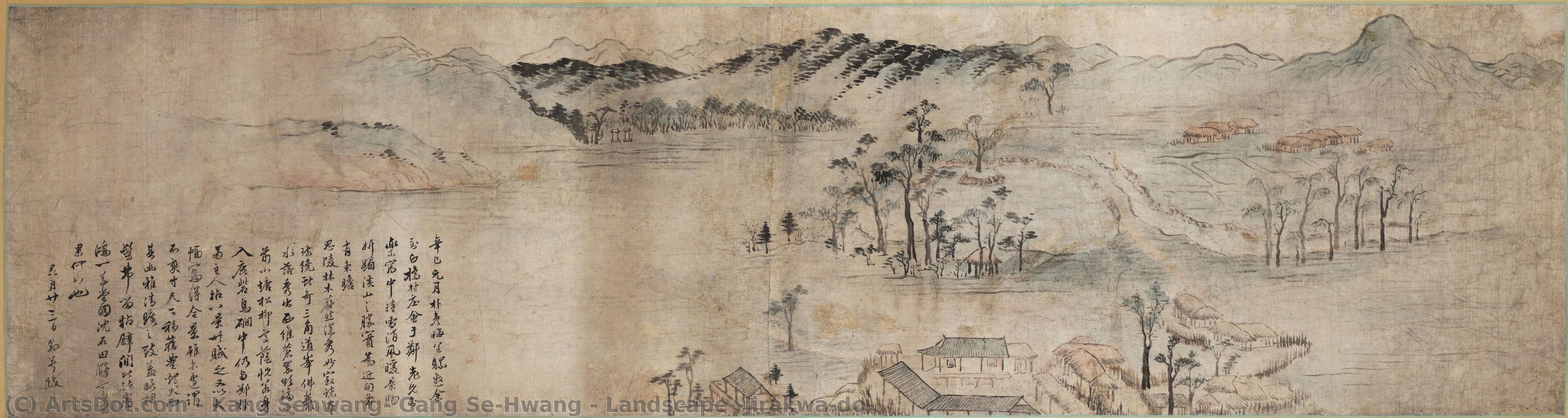
Landscape (Jirakwa-do)
 1761
1761 51.0 x 195.0 cm
 Hwajeong Museum
 Read More
Hand Made Oil Reproduction
Hand-painted oil on canvas in your size and frame, made to order by our artists. ( Buy Print Buy Image)




































Pick from our preset sizes that match the artwork's original proportions.

You may enter your own dimensions to fit a specific frame or space. If your selected size does not match the original image's proportions, we will either crop the artwork or extend the painting with additional hand-painted elements. A digital mockup will be sent for your approval before production begins.
Please note that the on-screen preview does not reflect the actual cropping or extension. Only the mockup will accurately show the final composition.
While custom sizes are available, we recommend selecting a dimension from the predefined list to preserve the original proportions.
After order, ArtsDot.com team will email client for instructions and provide a mockup preview
Worldwide Delivery () in 3/4 weeks instead of standard 5 weeks. (27 August). No compromise on quality.

Free Worldwide Express Shipping

High-Quality Linen Canvas

Full Shipping Insurance

Customs Tax Refund Guarantee

True Color Matching Guarantee

60-Day Return Policy (Defects Only)

100% Money-Back Guarantee

Bulk Discount Offer
 Glass option is only available in size under 110 CM

Landscape (Jirakwa-do)
Reproduction Medium
Reproduction Size
-


Total Price
$ 263
Related Artworks


Artist Biography
Richard Wilson: Bridging the Divide Between Italy and Wales
Richard Wilson, born in Penegoes, Montgomeryshire, in 1713 – a year marked by significant artistic developments across Europe – stands as a pivotal figure in the transition of landscape painting from its Dutch roots to a more emotionally resonant and individualized style. His life story is intrinsically linked to the burgeoning world of art patronage and the allure of continental influences, ultimately forging a unique voice that blended the classical ideals of Italian masters with the rugged beauty of his native Wales. Wilson’s career unfolded against a backdrop of shifting artistic tastes, marked by the rise of Rococo and the growing interest in naturalism, and he navigated these currents with remarkable skill and adaptability. Wilson's early life was shaped by family connections to both Welsh nobility and the wider art world. His father, John Wilson, was an ordained rector, and his mother, Maria Wynne, brought a lineage steeped in local history and tradition. Crucially, his childhood was spent in Mold, where he received an education that included exposure to artistic practices – a rare opportunity for a young man of his background. This early immersion proved instrumental in nurturing his nascent talent. Recognizing the need for formal training, Wilson secured a place in London in 1729, relying on the support of his uncle, Sir George Wynne, a prominent figure in the city’s merchant community. This move marked a decisive step towards establishing himself as a professional artist, initially focusing on portraiture – a field where he quickly gained recognition for his ability to capture likeness and personality with remarkable accuracy. His early portraits of figures like James Brydges, the Duke of Chandos, demonstrated a keen eye for detail and an understanding of fashionable attire, reflecting the prevailing trends in London society. However, Wilson’s artistic trajectory took a dramatic turn upon his decision to travel to Italy between 1750 and 1751. This journey proved transformative, fundamentally altering his style and subject matter. Inspired by the works of Claude Lorrain and Gaspard Dughet – masters of atmospheric landscape painting – he abandoned portraiture in favor of capturing the dramatic light and evocative scenery of the Italian countryside. He spent considerable time in Venice and Rome, immersing himself in the artistic traditions of these centers of culture. It was during this period that he encountered artists like Vernet and Zuccarelli, who encouraged him to embrace a more expressive approach to landscape painting, moving beyond mere imitation towards a deeper engagement with the emotional qualities of nature. The influence of Italian light and color is immediately apparent in his later works, particularly those depicting scenes from Tivoli, the Alban Hills, and the Neapolitan coast – landscapes rendered with a heightened sense of drama and atmosphere. Upon returning to London in 1757, Wilson established himself as a leading landscape painter, quickly gaining recognition for his masterful command of technique and his ability to evoke a profound sense of place. His most celebrated work, “Niobe” (1760), commissioned by the Duke of Cumberland, exemplifies this shift towards emotional intensity. The painting’s dramatic composition, rich color palette, and evocative portrayal of grief cemented Wilson's reputation as one of the foremost landscape artists of his time. He also contributed significantly to the establishment of the Royal Academy in 1768, becoming a founding member and later serving as its librarian – a role that underscored his commitment to the advancement of art education and scholarship. Throughout his career, Wilson consistently explored themes of light, shadow, and atmosphere, striving to capture the essence of nature’s beauty and power. Wilson's artistic legacy extends far beyond his individual achievements. He is considered a crucial link between the classical landscape painters of the Baroque era and the Romantic artists who followed in their footsteps. His work anticipated many of the key characteristics of the Romantic movement – an emphasis on subjective experience, a fascination with nature’s sublime qualities, and a willingness to explore emotional depth in his subjects. Artists like Constable and Turner were deeply influenced by Wilson's approach to landscape painting, recognizing him as a master of light and color and an inspiration for their own creative endeavors. His paintings remain treasured examples of 18th-century British art, offering a glimpse into the evolving artistic sensibilities of a nation undergoing profound social and cultural change.Connections and Influences
Wilson’s artistic development was shaped by a complex interplay of influences, both geographical and familial. His Italian sojourn proved pivotal, exposing him to the techniques and philosophies of leading landscape painters from the previous century. The works of Claude Lorrain and Gaspard Dughet, in particular, served as models for his compositions and color palettes. However, Wilson’s artistic vision was not solely derived from continental influences. He drew inspiration from the rugged beauty of Wales, incorporating elements of Welsh topography and folklore into his paintings. His family history – tracing back to prominent Welsh families like the Wynnes and Pratts – instilled in him a deep connection to his homeland and a desire to capture its unique character. Furthermore, his cousin, Charles Pratt, later Earl Camden, provided significant patronage throughout his career, enabling him to pursue his artistic ambitions without financial hardship. The connections within the Wilson family extended beyond mere support; they also fostered an environment of intellectual exchange and artistic appreciation.- Claude Lorrain: A key influence on Wilson’s compositional techniques and use of light.
- Gaspard Dughet: Inspired Wilson's approach to atmospheric perspective and landscape depiction.
- Allan Ramsay: A contemporary artist whose portraiture style influenced Wilson’s early work.
- John Edward Horatio Steegman & Iorwerth Cyfeiliog Peate: Notable art historians who have extensively researched and documented Wilson's life and work.
Major Works
Wilson produced a substantial body of work throughout his career, encompassing a wide range of subjects and styles. Some of his most celebrated paintings include:- “Niobe” (1760): A dramatic depiction of the Greek mythological figure Niobe, renowned for its emotional intensity and masterful use of light and color.
- “View of Dover” (1746 & 1747): An iconic landscape painting capturing the rugged coastline of Dover Castle, engraved and widely circulated during Wilson’s lifetime.
- “The Villa at Tivoli” (c. 1752-53): A vibrant depiction of the Roman villa at Tivoli, showcasing Wilson's skill in rendering atmospheric effects and capturing the beauty of Italian scenery.
- “Landscape with a River” (various versions): A recurring subject that allowed Wilson to experiment with different compositions and techniques, reflecting his evolving artistic style.
Historical Significance
Richard Wilson’s contribution to British art is undeniable. He played a crucial role in establishing landscape painting as a respected genre within the Royal Academy and helped to shape the aesthetic sensibilities of 18th-century England. His work bridged the gap between classical tradition and Romanticism, paving the way for future generations of landscape artists. Wilson’s paintings are not merely representations of scenery; they are imbued with emotion, atmosphere, and a profound appreciation for the beauty of nature. They offer a valuable insight into the cultural and artistic values of his time and continue to resonate with viewers today. His legacy endures as a testament to the power of art to capture the essence of place and evoke a sense of wonder.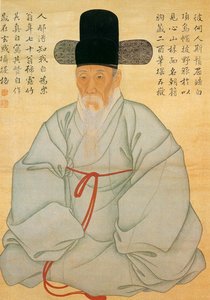
kang sehwang, gang se-hwang
1713 - 1791 , South Korea
Quick Facts
- Artistic Movement Or Style: Landscape painting
- Artists Or Movements Influenced By This Artist:
- Constable
- Turner
- Artists Who Influenced This Artist:
- Claude Lorrain
- Gaspard Dughet
- Date Of Birth: 1713/1714
- Date Of Death: 1782
- Full Name: Richard Wilson
- Nationality: British
- Notable Artworks:
- Niobe
- Dover Bridge
- View of Tivoli
- Place Of Birth: Wrexham, Wales
Related Articles

Hokusai's Masterpieces: 25 Iconic Prints & Paintings for Art Lovers | ArtsDot
Journey through Katsushika Hokusai’s 25 most iconic artworks, including *The Great Wave*. Explore the ukiyo-e master's history, style & timeless Japanese woodblock prints. Find museum-quality reproductions for your home at ArtsDot.com.
Ephemeral Expressions: Exploring the Nuances of Ink on Paper Through History & Contemporary Art
Explore the captivating world of ink wash painting – from its ancient origins to contemporary masters. Discover techniques, symbolism & conservation insights with ArtsDot.com.

Romantic Landscapes: 10 Masterpieces for Your Home | ArtsDot
Journey through 10 Romantic landscape masterpieces by Friedrich, Turner & Cole. Explore emotional art, sublime nature scenes & iconic 19th-century paintings. Find museum-quality reproductions for your home at ArtsDot.com – discover the full collection online!
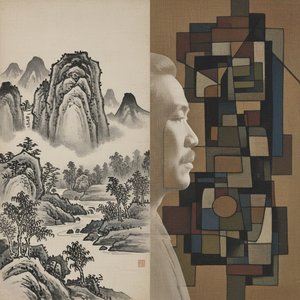
Yi Eungro: Bridging East & West in the Landscape of Korean Modernism
Explore the captivating world of Yi Eungro (Lee Ungno), a pivotal figure in Korean modernism. Discover his unique fusion of Eastern and Western artistic traditions, abstract masterpieces, and lasting legacy. A must-read for discerning art collectors.

Evocations of Place: A Historical Journey Through Landscape Art
Explore the rich history of landscape art with ArtsDot. Discover renowned artists, movements like Impressionism & Romanticism, and expert guidance for collecting timeless pieces. Find your perfect serene escape today!