 Preview
 Send
Send Share
Share
 Details

 Download
 Similars
 X-Ray
X-Ray Diaporama
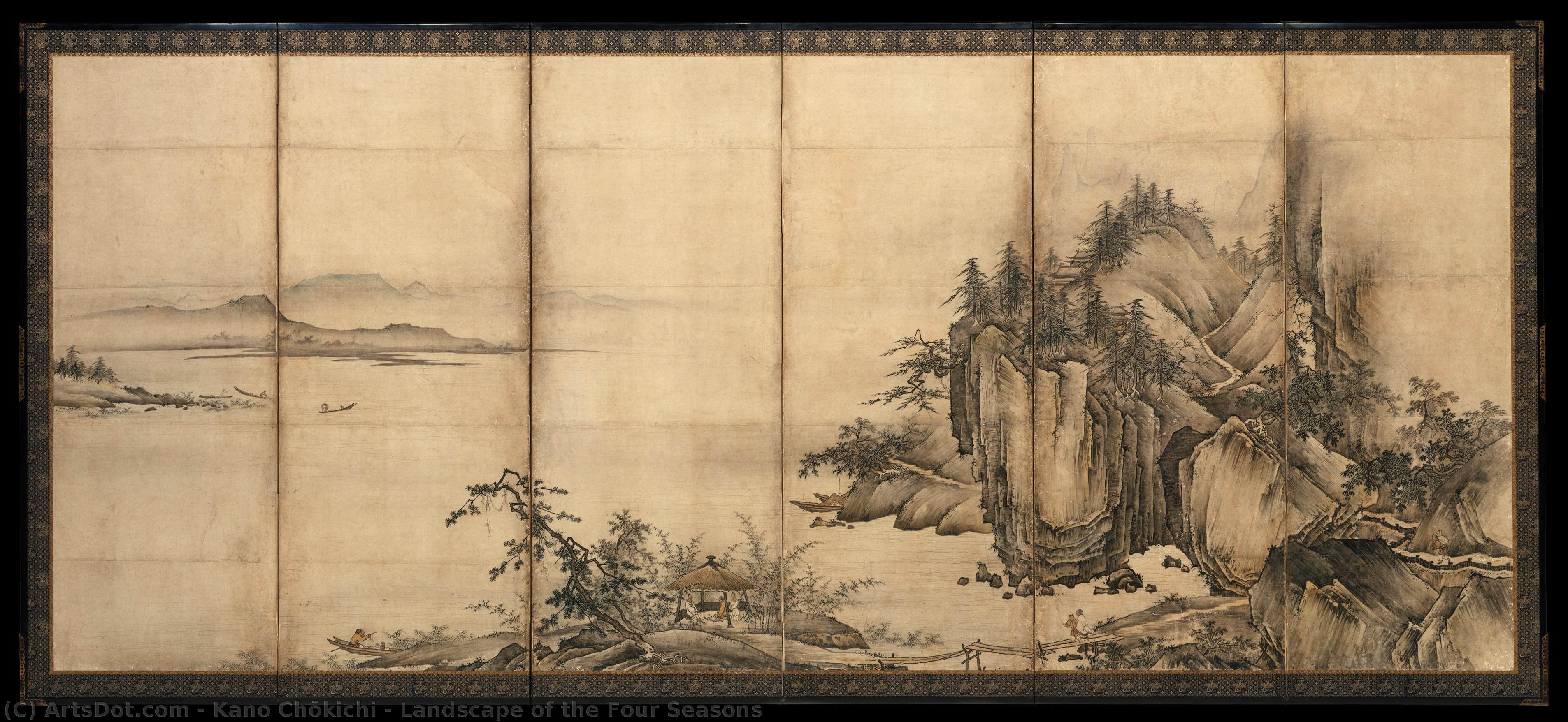
Landscape of the Four Seasons
 501
501 151.0cm x 357.0cm
 Read More
Hand Made Oil Reproduction
Hand-painted oil on canvas in your size and frame, made to order by our artists. ( Buy Print Buy Image)




































Pick from our preset sizes that match the artwork's original proportions.

You may enter your own dimensions to fit a specific frame or space. If your selected size does not match the original image's proportions, we will either crop the artwork or extend the painting with additional hand-painted elements. A digital mockup will be sent for your approval before production begins.
Please note that the on-screen preview does not reflect the actual cropping or extension. Only the mockup will accurately show the final composition.
While custom sizes are available, we recommend selecting a dimension from the predefined list to preserve the original proportions.
After order, ArtsDot.com team will email client for instructions and provide a mockup preview
Worldwide Delivery () in 3/4 weeks instead of standard 5 weeks. (25 August). No compromise on quality.

Free Worldwide Express Shipping

High-Quality Linen Canvas

Full Shipping Insurance

Customs Tax Refund Guarantee

True Color Matching Guarantee

60-Day Return Policy (Defects Only)

100% Money-Back Guarantee

Bulk Discount Offer
 Glass option is only available in size under 110 CM

Landscape of the Four Seasons
Reproduction Medium
Reproduction Size
-


Total Price
$ 263
Artwork Description
Related Artworks









Artist Biography
The Brush of a Dynasty: Kano Chōkichi and the Flourishing of Muromachi Painting
Kano Chōkichi, born in Kyoto in 1528, emerged during a period of profound transformation in Japan. The Muromachi period (1336-1573) was marked by both political upheaval and an extraordinary flowering of artistic expression, particularly within the realm of painting. Chōkichi wasn’t simply *a* painter; he was a vital link in the longest-lived and arguably most influential school of Japanese art – the Kano school. To understand his significance, one must first appreciate the legacy he inherited. The Kano school, founded by Kano Masanobu in the 15th century, had already established itself as the dominant force, favored by the shogunate and aristocratic patrons alike. It was a style that skillfully blended elements of Zen Buddhism, Chinese Song and Yuan dynasty painting traditions, and distinctly Japanese aesthetics. Chōkichi’s life coincided with a period where the school reached new heights of power and refinement, and he played a crucial role in its continued success. His early training would have been rigorous, steeped in copying earlier masters – not as mere imitation, but as a means of internalizing compositional principles, brush techniques, and the very spirit of the art form.A Legacy Forged in Landscape: Chōkichi’s Artistic Development
While the Kano school encompassed diverse subject matter, including portraits and figure paintings, Kano Chōkichi distinguished himself primarily as a landscape artist. His landscapes weren't simply depictions of natural scenery; they were imbued with philosophical meaning, reflecting Zen ideals of harmony, impermanence, and the interconnectedness of all things. He masterfully employed ink wash painting techniques – *suiboku-ga* – utilizing varying shades of black to create depth, atmosphere, and a sense of ethereal beauty. His brushwork was characterized by both precision and spontaneity; bold strokes conveyed the ruggedness of mountains, while delicate washes suggested mist-shrouded valleys. Chōkichi’s style evolved over his career, moving from earlier works that closely adhered to established Kano conventions towards a more personal expression. He wasn't afraid to experiment with composition, often employing dramatic perspectives and unconventional viewpoints. His ability to capture the essence of nature – its power, tranquility, and subtle nuances – earned him widespread acclaim among connoisseurs and patrons. The influence of earlier masters like Sesshū Tōyō is evident in his work, particularly in the dynamic energy of his brushstrokes and the evocative use of negative space. However, Chōkichi wasn’t merely a follower; he synthesized these influences into a uniquely personal style that resonated with the sensibilities of his time.Patronage and the Kano School's Ascendancy
The success of artists like Kano Chōkichi was inextricably linked to the patronage system of the Muromachi period. The shogunate, powerful daimyo lords, and wealthy merchants all vied for the services of skilled painters, commissioning works for their residences, temples, and personal collections. Chōkichi’s talent brought him into close contact with these influential figures, allowing him to create large-scale decorative panels – *byōbu* (folding screens) and *kakemono* (hanging scrolls) – that adorned the interiors of elite spaces. These commissions weren't simply about aesthetic beauty; they were statements of power, wealth, and cultural refinement. The Kano school understood this implicitly, tailoring their works to meet the specific tastes and ideological preferences of their patrons. Chōkichi’s ability to navigate these complex social dynamics while maintaining his artistic integrity was a testament to his skill and diplomacy. He contributed significantly to the expansion of the Kano school's influence beyond Kyoto, securing commissions in other regions of Japan and solidifying its position as the preeminent painting style of the era. His work helped define the aesthetic standards of the Muromachi period, shaping the visual landscape of Japanese art for generations to come.Lasting Influence: Chōkichi’s Place in Art History
Kano Chōkichi passed away in 1592, leaving behind a rich legacy that continues to inspire artists and scholars today. He is rightfully considered one of the greatest Japanese painters of the Muromachi period, not only for his technical mastery but also for his ability to imbue his landscapes with profound philosophical meaning. His work represents a culmination of centuries of artistic tradition, seamlessly blending Chinese influences with distinctly Japanese aesthetics.- Zen Aesthetics: Chōkichi’s paintings embody the Zen principles of simplicity, naturalness, and harmony.
- Ink Wash Mastery: His skillful use of *suiboku-ga* created evocative landscapes that captured the essence of nature.
- Compositional Innovation: He experimented with perspective and viewpoint, pushing the boundaries of traditional landscape painting.
- School Legacy: Chōkichi’s contributions solidified the Kano school's position as the dominant force in Japanese art for over 300 years.
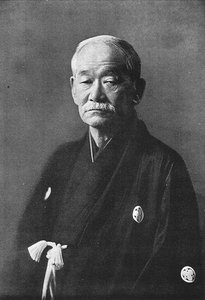
kano chōkichi
1528 - 1592 , Japan
Quick Facts
- Artistic Movement Or Style: Kano school painting
- Date Of Birth: 1528
- Date Of Death: 1592
- Full Name: Kano Chōkichi
- Nationality: Japanese
- Place Of Birth: Kyoto, Japan