 Preview
 Send
Send Share
Share
 Details

 Download
 Similars
 X-Ray
X-Ray Diaporama
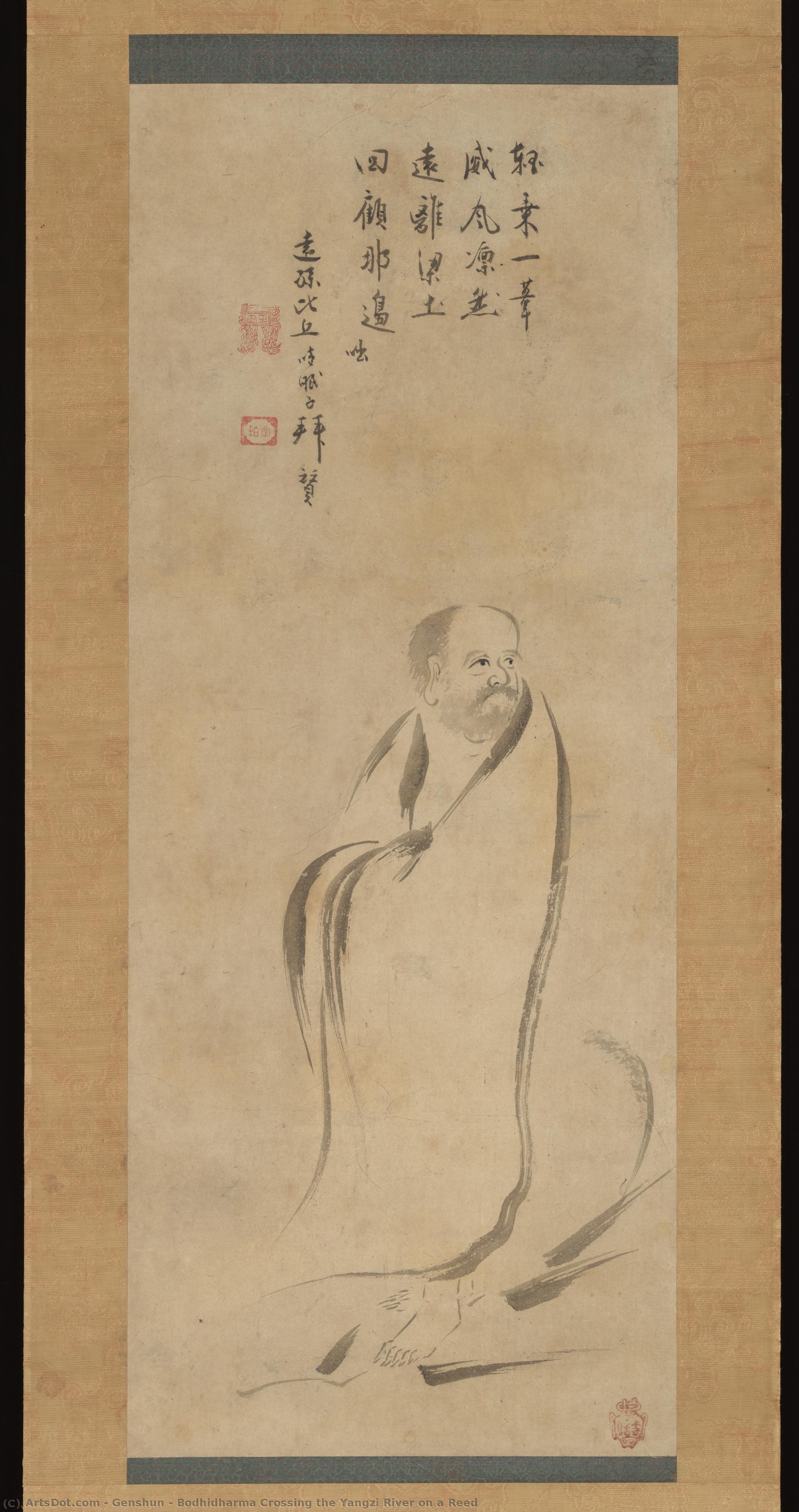
Bodhidharma Crossing the Yangzi River on a Reed
 1641
1641 81.0 x 32.0 cm
 Read More
Hand Made Oil Reproduction
Hand-painted oil on canvas in your size and frame, made to order by our artists. ( Buy Print Buy Image)




































Pick from our preset sizes that match the artwork's original proportions.

You may enter your own dimensions to fit a specific frame or space. If your selected size does not match the original image's proportions, we will either crop the artwork or extend the painting with additional hand-painted elements. A digital mockup will be sent for your approval before production begins.
Please note that the on-screen preview does not reflect the actual cropping or extension. Only the mockup will accurately show the final composition.
While custom sizes are available, we recommend selecting a dimension from the predefined list to preserve the original proportions.
After order, ArtsDot.com team will email client for instructions and provide a mockup preview
Worldwide Delivery () in 3/4 weeks instead of standard 5 weeks. (24 August). No compromise on quality.

Free Worldwide Express Shipping

High-Quality Linen Canvas

Full Shipping Insurance

Customs Tax Refund Guarantee

True Color Matching Guarantee

60-Day Return Policy (Defects Only)

100% Money-Back Guarantee

Bulk Discount Offer
 Glass option is only available in size under 110 CM

Bodhidharma Crossing the Yangzi River on a Reed
Reproduction Medium
Reproduction Size
-


Total Price
$ 263
Artwork Description
Related Artworks
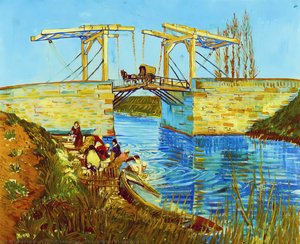
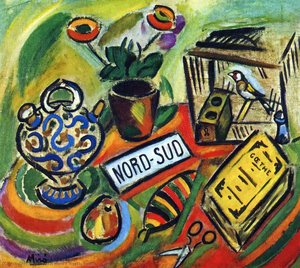
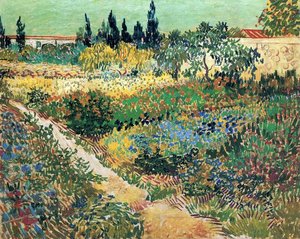
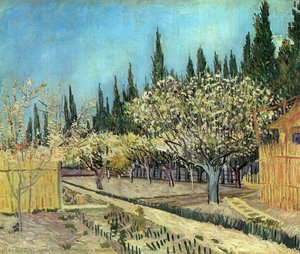

Artist Biography
Jan van Goyen: Master of Dutch Landscape
Born on January 13, 1596, in Leiden, Netherlands, Jan Josephsz van Goyen emerged as a pivotal figure in the development of Dutch landscape painting during the Golden Age. His life and career were inextricably linked to the evolving artistic sensibilities of his time, marked by a profound respect for nature’s subtle beauty and an innovative approach to light and atmosphere. Van Goyen's legacy rests not on revolutionary innovations but rather on a consistent dedication to capturing the essence of the Dutch countryside with remarkable skill and understated elegance.
Van Goyen’s early artistic training began at the tender age of ten, immersing him in the traditions of Leiden’s vibrant art scene. He initially studied under Isaac van Swanenburgh, a respected artist known for his detailed depictions of architectural interiors. However, it was his brief association with Esaias van de Velde I, a leading figure in the burgeoning genre of landscape painting, that truly shaped his artistic trajectory. This period exposed him to the principles of atmospheric perspective and the importance of accurately representing natural forms – techniques he would later refine into his own distinctive style.
Van Goyen’s artistic development was further influenced by a year spent in France, where he encountered the works of Claude Lorrain and other landscape masters. This experience broadened his understanding of composition, color theory, and the use of light to create depth and drama. Upon returning to Haarlem, he continued his studies with Esaias van de Velde I, solidifying his grasp of atmospheric perspective and the depiction of water surfaces. His early works demonstrate a clear debt to Van de Velde’s meticulous attention to detail and his ability to evoke a sense of tranquility and spaciousness.
The Development of a Distinctive Style
While initially influenced by his predecessors, van Goyen quickly established a unique artistic voice. His style is characterized by a remarkable restraint—a deliberate avoidance of dramatic gestures or overtly emotional content. Instead, he focused on creating scenes that felt utterly natural and believable, capturing the quiet beauty of the Dutch landscape with subtle brushstrokes and a masterful understanding of light and shadow. He was particularly adept at depicting water – canals, rivers, and coastlines – rendering their shimmering surfaces with an almost photographic realism.
Van Goyen’s technique involved working primarily in oil on canvas or panel, often employing a layering approach to build up color and texture gradually. He favored a muted palette of browns, grays, blues, and greens, creating a sense of atmospheric depth and distance. Crucially, he avoided the use of strong outlines, allowing forms to emerge organically from the interplay of light and shadow. This technique contributed significantly to the illusion of three-dimensionality in his landscapes, making them appear remarkably lifelike.
A key element of van Goyen’s style was his meticulous observation of nature. He spent countless hours sketching outdoors, studying the changing patterns of light and weather. His paintings are not simply representations of scenery; they are carefully constructed compositions that convey a deep understanding of the natural world. His work is often described as “picturesque,” reflecting the emerging aesthetic sensibility of the time which valued scenes of idyllic beauty and harmonious relationships between man and nature.
Themes and Subjects
Van Goyen’s subject matter primarily consisted of Dutch landscapes – vast fields, rolling hills, meandering rivers, and picturesque villages. He frequently depicted scenes of rural life, capturing farmers tending their crops, fishermen casting their nets, and travelers making their way along dusty roads. He also painted coastal views, showcasing the dramatic interplay of sea and sky, and scenes of urban life, offering glimpses into the bustling streets and canals of Dutch cities.
While his paintings are generally devoid of overt narrative content, they often evoke a sense of nostalgia for a simpler time – a connection to the land and its traditions. His landscapes are not merely scenic views; they are imbued with a quiet dignity and a profound appreciation for the beauty of the natural world. He avoided grand historical or mythological subjects, focusing instead on the everyday realities of Dutch life.
Legacy and Influence
Jan van Goyen’s impact on the development of Dutch landscape painting is undeniable. While he never achieved the fame or notoriety of some of his contemporaries, such as Jacob van Ruisdael, his work exerted a profound influence on subsequent generations of artists. His meticulous attention to detail, his masterful use of light and shadow, and his commitment to capturing the essence of the Dutch countryside established him as one of the most important landscape painters of the Golden Age.
His style served as a model for many later artists, including those associated with the “School of Delft,” known for their precise and realistic depictions of Dutch scenes. Van Goyen’s legacy continues to be celebrated today, his paintings admired for their quiet beauty, their atmospheric depth, and their enduring appeal.
He died on April 27, 1656, in The Hague, leaving behind a substantial body of work that remains a testament to the power of observation, skill, and artistic restraint. His landscapes continue to offer viewers a glimpse into the heart of the Dutch countryside – a timeless reminder of the beauty and tranquility of nature.
kano genshun
1596 - 1656 , Japan
Quick Facts
- Artistic Movement Or Style: Dutch Golden Age Landscape
- Artists Or Movements Influenced By This Artist:
- Rembrandt
- Velázquez
- Artists Who Influenced This Artist: ['Esaias van de Velde I']
- Date Of Birth: January 13, 1596
- Date Of Death: April 27, 1656
- Full Name: Jan Josephszoon van Goyen
- Nationality: Dutch
- Notable Artworks:
- Village Fair
- Foreshore Scene
- Wayside Inn
- View of Scheveningen
- Place Of Birth: Leiden, Netherlands