

 Preview
 Send
Send Share
Share
 Details

 Download
 Similars
 X-Ray
X-Ray Diaporama
 Stats
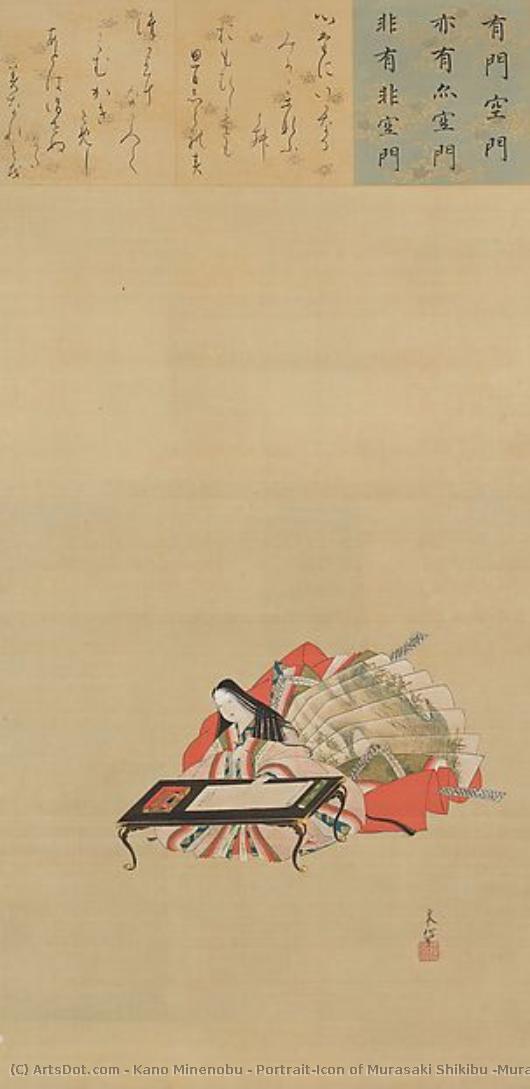
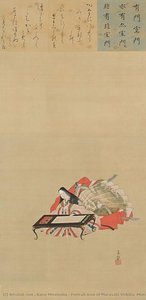
StatsPortrait-Icon of Murasaki Shikibu (Murasaki Shikibu zu)
 601
601 113.0cm x 55.0cm
 Read More
Purchase a high-resolution, enhanced digital image, far superior to the online preview.
Each file is meticulously prepared by our in-house specialists using advanced tools and expert manual retouching. We ensure every image has exceptional clarity, precise color accuracy, and fine detail.
The final file is delivered via email within 72 hours, optimized for immediate use in professional, editorial, and print environments. This is the same quality trusted by top-tier design studios, publishers, and galleries.
Digital Image
Download a high-resolution file for personal display, printing, and creative projects. ( Switch to Print Buy Hand Made Painting)
Included in Every Digital Image Order
Expert Digital Delivery, Guaranteed
When you choose ArtsDot.com, you're not just getting an image - you're receiving a professionally enhanced digital artwork, crafted with precision and backed by a satisfaction guarantee. Here's everything that comes with your order, automatically:

Fast Email Delivery
Your high-resolution digital image file will be emailed to you within 72 hours of ordering - ready for immediate use.

AI-Enhanced Digital File
Your artwork is professionally optimized using advanced AI tools and manual editing, ensuring maximum detail, clarity, and color accuracy.

Free Lifetime Re-Delivery
Accidentally deleted or lost your file? No worries - we'll resend it to you anytime, free of charge.

No Import Fees - Ever
Enjoy your artwork instantly with zero customs, duties, or delivery fees - digital downloads are always tax-free.

Color Accuracy Guarantee
We ensure your digital image reflects the original colors as closely as possible using professional tools and color management.

100-Day Satisfaction Guarantee
If you're not satisfied with your digital image, we'll revise it or refund 100% within 100 days - no questions asked.

100% Money-Back Guarantee
Not satisfied? Get a full refund within 100 days of receiving your digital file - no questions asked.

Bulk Order Discounts
Buy 3 images, save 10% - Buy 5, save 15% - Buy 10+, save 20%. Great for creative projects, galleries, and agencies.
Related Artworks



Artist Biography
Early Life and Ancestral Roots
Kano Minenobu, born in Kyoto in 1662, emerged from a lineage deeply entrenched in the prestigious Kanō school of painting—a dynasty that would shape Japanese art for centuries. His grandfather, Kano Tannyu, and father, Kano Tsunenobu, were both prominent figures within this influential artistic tradition, laying the foundation for Minenobu’s own remarkable career. The Kanō family's origins trace back to warriors in what is now Shizuoka Prefecture, though their transition into a hereditary line of professional painters began with Masanobu in the 15th century. This early association with both military aristocracy and Zen temples proved pivotal, establishing a network of patronage that would sustain the school’s prominence for generations.
A Master of Synthesis: Style and Technique
Minenobu inherited not only a family name but also a complex artistic legacy. The Kanō school was renowned for its adaptability, skillfully blending Chinese-inspired ink painting with native Japanese aesthetics. His father, Tsunenobu, continued this tradition, and Minenobu further refined it, becoming particularly celebrated for his ability to depict both figures and landscapes with exceptional skill. He wasn’t merely replicating styles; he synthesized them. The strong brushwork favored by the Chinese masters was tempered with the decorative sensibilities of *Yamato-e*, creating a harmonious balance that appealed to a wide range of patrons.
Serving the Shogunate and Beyond
Like his ancestors, Minenobu dedicated much of his career to serving powerful patrons. He rose through the ranks within the Kanō school, eventually becoming its head in 1696—a position he held until his death in 1709. This leadership role signified not only artistic mastery but also organizational acumen; maintaining a large atelier and fulfilling diverse commissions required considerable administrative skill. While details of specific commissions remain fragmented, it’s clear that Minenobu catered to the tastes of the elite, producing works for castles, temples, and private residences. His paintings often featured grand compositions designed to impress and convey status.
The Kanō School's Enduring Legacy
Kano Minenobu’s significance lies not in radical innovation but in his ability to uphold and refine the Kanō school’s established principles during a period of evolving artistic tastes. The school, founded by Masanobu, had already enjoyed over three centuries of prominence by the time of Minenobu's leadership. He skillfully navigated the changing demands of patronage while preserving the core tenets of the style—a testament to his artistry and understanding of Japanese culture. His work embodies a synthesis of Chinese influence and native aesthetics, demonstrating the school’s remarkable adaptability and enduring appeal.
A Lasting Impression: Minenobu's Place in Art History
Though perhaps less celebrated today than some of his more flamboyant predecessors like Kano Eitoku, Minenobu played a crucial role in ensuring the Kanō school’s continued relevance. His paintings—such as the *Portrait-Icon of Murasaki Shikibu*—offer compelling examples of his technical skill and artistic sensibility. He was known by the alternate name Hoshin, reflecting perhaps a desire to distinguish himself within such a prominent family lineage. Ultimately, Kano Minenobu stands as a key figure in Japanese art history, representing the culmination of centuries of tradition and the enduring power of a truly influential school.
kano minenobu
1662 - 1709 , Japan
Quick Facts
- Artistic Movement Or Style: Kanō school painting
- Artists Who Influenced This Artist:
- Kano Tsunenobu
- Kano Tannyu
- Date Of Birth: 1662
- Date Of Death: 1709
- Full Name: Kano Minenobu
- Nationality: Japanese
- Notable Artworks: ['Portrait-Icon of Murasaki Shikibu']
- Place Of Birth: Kyoto, Japan