 Preview
 Send
Send Share
Share
 Details

 Download
 Similars
 X-Ray
X-Ray Diaporama
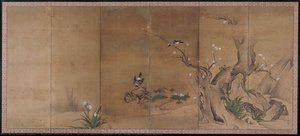
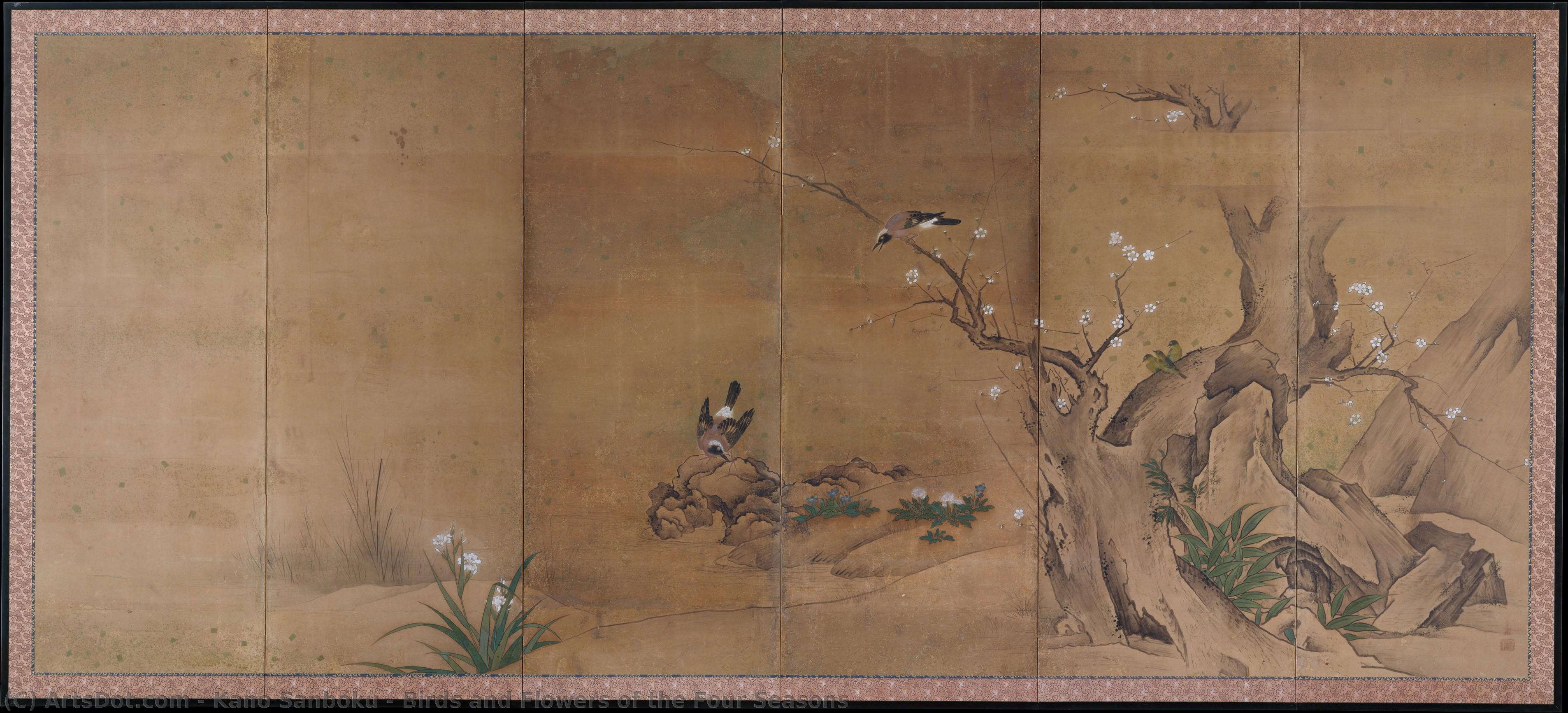
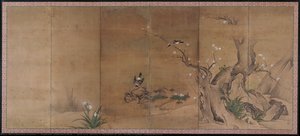
Birds and Flowers of the Four Seasons
 601
601 150.0cm x 367.0cm
 Read More
Giclée / Art Print
Museum-quality giclée or canvas print with fast production and flexible finish options. ( Buy Hand Made Painting Buy Image)




































Pick from our preset sizes that match the artwork's original proportions.

You may enter your own dimensions to fit a specific frame or space. If your selected size does not match the original image's proportions, we will either crop the artwork or extend the image with a mirrored or solid-fill edge. A digital mockup will be sent for your approval before production begins.
Please note that the on-screen preview does not reflect the actual cropping or extension. Only the mockup will accurately show the final composition.
While custom sizes are available, we recommend selecting a dimension from the predefined list to preserve the original proportions.
Worldwide Delivery () in 2 weeks instead of standard 4/5 weeks. (2 September)

Free Worldwide Express Shipping

High-Quality Linen Canvas

Full Shipping Insurance

Customs Tax Refund Guarantee

True Color Matching Guarantee

60-Day Return Policy (Defects Only)

100% Money-Back Guarantee

Bulk Discount Offer
 Glass option is only available in size under 110 CM

Birds and Flowers of the Four Seasons
Giclée / Art Print
Reproduction Size
-


Total Price
$ 63
Related Artworks








Artist Biography
Kanō Sanboku: Weaver of Tranquil Seasons
The world of Edo period Japanese painting is a rich tapestry woven from the threads of tradition and innovation, and within that vast landscape stands Kanō Sanboku (c. 1640 – c. 1710), a master whose quiet elegance and profound connection to nature have secured his place as one of the most revered figures of the Kanō school. Unlike the flamboyant displays often associated with his lineage, Sanboku’s art is characterized by a subtle beauty—a deliberate restraint that invites contemplation and reveals an intimate understanding of the seasons.
Born in Kyoto, Sanboku's artistic journey began under the tutelage of two giants: Kanō Sanraku, the school’s head artist during much of the late 16th century, and later, Kanō Sansetsu. These masters instilled within him not only technical proficiency but also a deep respect for the established canons of the Kanō style—bold outlines, vibrant colors achieved through layering of pigments, and the meticulous rendering of detail. However, Sanboku didn’t simply replicate his predecessors; he subtly shifted the focus, moving away from the often-heroic or mythological subjects favored by earlier generations towards a more serene and introspective aesthetic.
The Language of Flowers and Birds
Sanboku's most celebrated works are undoubtedly his “Birds and Flowers of the Four Seasons” screens. These exquisite panels, typically consisting of six joined sections, offer a meticulously observed depiction of nature’s cyclical beauty. Each screen presents a distinct season—spring with blossoming plum trees and delicate wildflowers, summer adorned with irises and cuckoos, autumn showcasing hibiscus and pheasant, and winter featuring snowy bamboo and the elusive kingfisher. The compositions are remarkably balanced, creating a sense of harmony and tranquility that is deeply affecting.
Unlike the often-saturated palettes favored by his contemporaries, Sanboku employed a restrained color scheme—primarily muted greens, browns, and blues—that perfectly complements the subject matter. He skillfully used layering techniques to create subtle variations in tone and texture, lending an almost three-dimensional quality to the painted foliage and birds. The placement of each element – the delicate curve of a branch, the precise angle of a bird’s wing – speaks volumes about his meticulous observation and artistic control.
Influences and Artistic Development
Sanboku's artistic development is inextricably linked to the legacy of the Kanō school. He inherited not only technical skills but also a deep appreciation for Chinese art, particularly the landscape paintings of the Song dynasty. This influence can be seen in his careful attention to detail, his use of perspective, and his ability to capture the essence of natural forms. However, Sanboku’s work transcends mere imitation; he infused these influences with a distinctly Japanese sensibility—a profound respect for nature and a quiet contemplation of beauty.
It's important to note that Sanboku’s style evolved over time. Early works demonstrate a closer adherence to the conventions of the Kanō school, while later pieces exhibit a greater degree of freedom and experimentation. This evolution reflects his growing confidence as an artist and his deepening understanding of his own artistic vision.
Legacy and Historical Significance
Kanō Sanboku’s contribution to Japanese painting is significant not only for the beauty of his individual works but also for his role in shaping the trajectory of the Kanō school. He helped to establish a new aesthetic—one characterized by subtlety, restraint, and a profound connection to nature—that would profoundly influence subsequent generations of artists.
His “Birds and Flowers of the Four Seasons” screens are now considered national treasures in Japan, exemplifying the pinnacle of Edo period painting. They stand as a testament to Sanboku’s artistic skill, his deep understanding of nature, and his enduring legacy as one of the most important figures in Japanese art history. His work continues to inspire artists and viewers alike, offering a timeless meditation on the beauty and tranquility of the natural world.
kanō sanboku
1640 - 1710 , Japan
Quick Facts
- Artistic Movement Or Style: Kanō School
- Artists Or Movements Influenced By This Artist:
- Momoyama period
- Edo period
- Artists Who Influenced This Artist:
- Kanō Sanraku
- Kanō Sansetsu
- Date Of Birth: 1640
- Date Of Death: 1710
- Full Name: Kanō Sanboku
- Nationality: Japanese
- Notable Artworks:
- Birds & Flowers
- Seasonal Birds
- Place Of Birth: Kyoto, Japan