

 Preview
 Send
Send Share
Share
 Details

 Download
 Similars
 X-Ray
X-Ray Diaporama
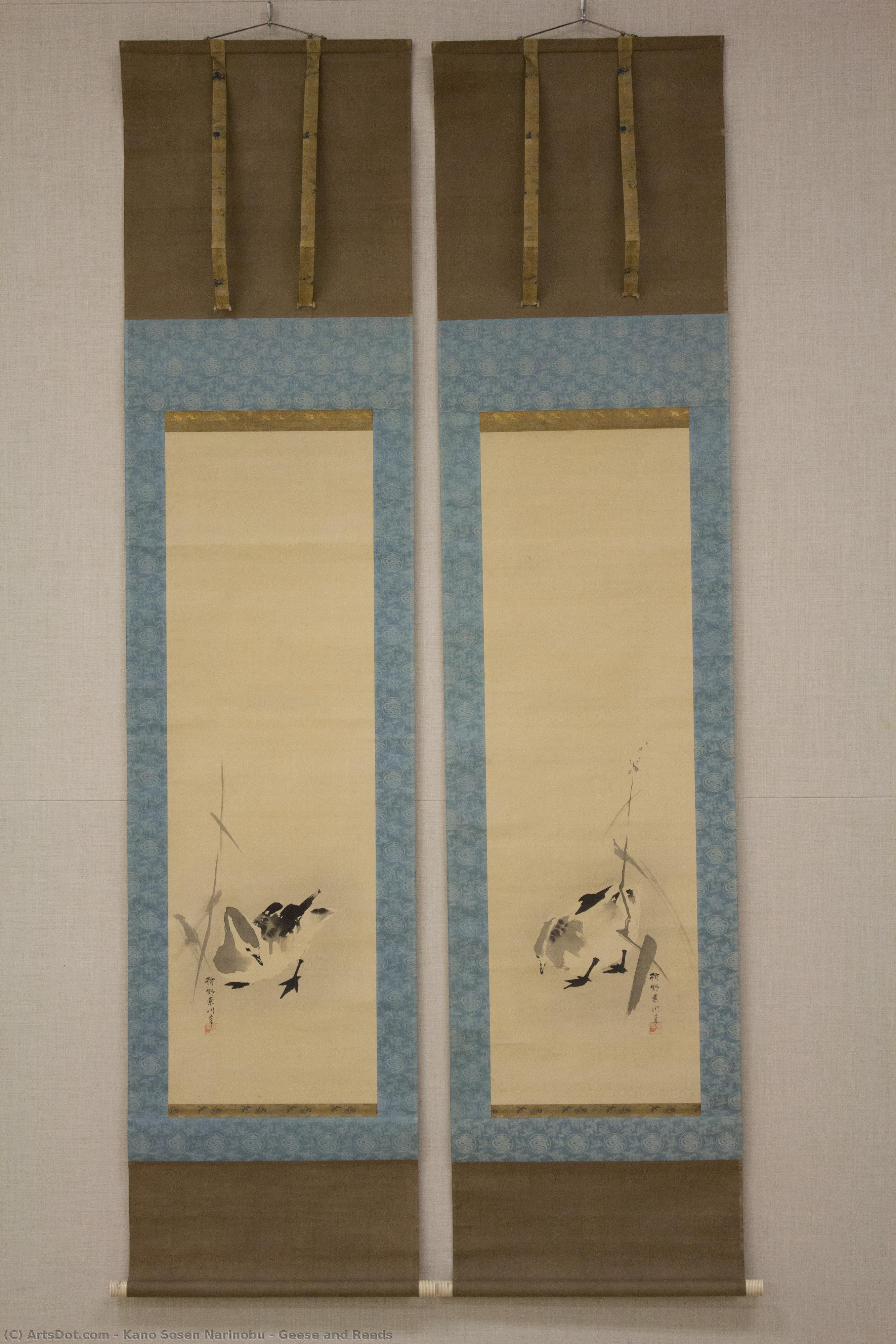
Geese and Reeds
 801
801 103.0cm x 32.0cm
 Read More
Purchase a high-resolution, enhanced digital image, far superior to the online preview.
Each file is meticulously prepared by our in-house specialists using advanced tools and expert manual retouching. We ensure every image has exceptional clarity, precise color accuracy, and fine detail.
The final file is delivered via email within 72 hours, optimized for immediate use in professional, editorial, and print environments. This is the same quality trusted by top-tier design studios, publishers, and galleries.
Digital Image
Download a high-resolution file for personal display, printing, and creative projects. ( Buy Print Buy Hand Made Painting)
Included in Every Digital Image Order
Expert Digital Delivery, Guaranteed
When you choose ArtsDot.com, you're not just getting an image - you're receiving a professionally enhanced digital artwork, crafted with precision and backed by a satisfaction guarantee. Here's everything that comes with your order, automatically:

Fast Email Delivery
Your high-resolution digital image file will be emailed to you within 72 hours of ordering - ready for immediate use.

AI-Enhanced Digital File
Your artwork is professionally optimized using advanced AI tools and manual editing, ensuring maximum detail, clarity, and color accuracy.

Free Lifetime Re-Delivery
Accidentally deleted or lost your file? No worries - we'll resend it to you anytime, free of charge.

No Import Fees - Ever
Enjoy your artwork instantly with zero customs, duties, or delivery fees - digital downloads are always tax-free.

Color Accuracy Guarantee
We ensure your digital image reflects the original colors as closely as possible using professional tools and color management.

60-Day Satisfaction Guarantee
If you're not satisfied with your digital image, we'll revise it or refund 100% within 60 days - no questions asked.

100% Money-Back Guarantee
Not satisfied? Get a full refund within 60 days of receiving your digital file - no questions asked.

Bulk Order Discounts
Buy 3 images, save 10% - Buy 5, save 15% - Buy 10+, save 20%. Great for creative projects, galleries, and agencies.
Related Artworks










Artist Biography
A Legacy Etched in Landscape: The Life and Art of Kano Sosen Narinobu
Kano Sosen Narinobu, a name resonating with the refined elegance of Edo period Japan, was born in Kyoto in 1813. He wasn’t merely a painter; he was a custodian of tradition, a master within the esteemed Kano school—a lineage that had shaped Japanese art for centuries. His life unfolded against a backdrop of shifting political landscapes and evolving artistic sensibilities, yet Narinobu remained steadfastly devoted to the principles inherited from his predecessors while subtly infusing his work with a uniquely personal touch. Though he ultimately settled in Tokyo, his roots in Kyoto’s rich cultural soil profoundly influenced his aesthetic vision. He passed away in 1897, leaving behind a body of work that continues to captivate and inspire, offering a window into the heart of Japanese artistic heritage.The Kano School: A Foundation of Style
To understand Narinobu is to understand the Kano school. Emerging during the Muromachi period, the Kano artists were initially favored by the shogunate for their bold, dynamic style—a departure from the more delicate courtly traditions. They blended elements of Zen Buddhism with Chinese painting techniques, creating a powerful visual language characterized by strong brushwork, vibrant colors, and monumental compositions. Over generations, the school evolved, adapting to changing tastes while maintaining its core principles. Narinobu belonged to a branch deeply committed to preserving these tenets. He excelled in *suibokuga* (ink wash painting) and *sumi-e* (black ink painting), demonstrating an exceptional command of brush control and atmospheric perspective. His landscapes weren’t simply depictions of nature; they were expressions of spiritual contemplation, imbued with a sense of tranquility and harmony.Themes and Techniques: Birds, Flowers, and the Natural World
Narinobu's artistic focus centered on two primary subjects: landscapes and bird-and-flower paintings. Within these genres, he achieved remarkable subtlety and nuance. His landscapes often feature misty mountains, flowing rivers, and secluded forests—evocative scenes that invite quiet reflection. He possessed a keen eye for detail, capturing the delicate textures of leaves, the ruggedness of rocks, and the play of light on water. His bird-and-flower paintings are equally compelling, showcasing his ability to convey the essence of each subject with minimal brushstrokes. Geese in flight, blossoming plum branches, and vibrant chrysanthemums—these motifs weren’t merely decorative; they carried symbolic weight. The goose, for example, often represented fidelity and longevity, while plum blossoms symbolized resilience and renewal. He frequently worked in diptychs, creating harmonious pairings that enhanced the overall aesthetic impact. His technique involved a masterful use of ink washes, layering tones to create depth and atmosphere.Influence and Historical Significance
While deeply rooted in tradition, Narinobu wasn’t immune to the currents of change sweeping through Edo period Japan. The rise of *ukiyo-e* (woodblock prints) and a growing merchant class brought new artistic perspectives into play. However, Narinobu remained committed to the Kano school's aesthetic ideals, serving as a vital link between past and present. His works were highly sought after by connoisseurs and collectors, and he enjoyed a successful career as both an artist and a teacher. He nurtured numerous students, passing on his knowledge and skills to future generations. Today, Narinobu’s paintings are held in prestigious museums around the world, including The Metropolitan Museum of Art in New York and the British Museum in London—testaments to his enduring legacy. His art offers invaluable insights into the artistic values and cultural sensibilities of 19th-century Japan, reminding us of the power of tradition, the beauty of nature, and the importance of preserving artistic heritage.A Lasting Impression
Kano Sosen Narinobu’s contribution extends beyond technical mastery; it lies in his ability to evoke a sense of serenity and contemplation through his art. He wasn't simply painting what he *saw*; he was conveying what he *felt*. His landscapes invite us to escape the bustle of modern life and reconnect with the natural world, while his bird-and-flower paintings remind us of the beauty and fragility of existence. His work stands as a powerful example of Japanese artistic refinement, demonstrating the enduring appeal of tradition and the timeless power of ink and brush. The delicate balance between realism and abstraction in his compositions continues to resonate with audiences today, solidifying his place as a key figure in the history of Japanese painting.
kano sosen narinobu
1813 - 1897 , Japan
Quick Facts
- Artistic Movement Or Style: Kano school painting
- Date Of Birth: 1813
- Date Of Death: 1897
- Full Name: Kano Sosen Narinobu
- Nationality: Japanese
- Notable Artworks: ['Geese and Reeds']
- Place Of Birth: Kyoto, Japan

