 Preview
 Send
Send Share
Share
 Details

 Download
 Similars
 X-Ray
X-Ray Diaporama
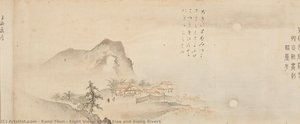
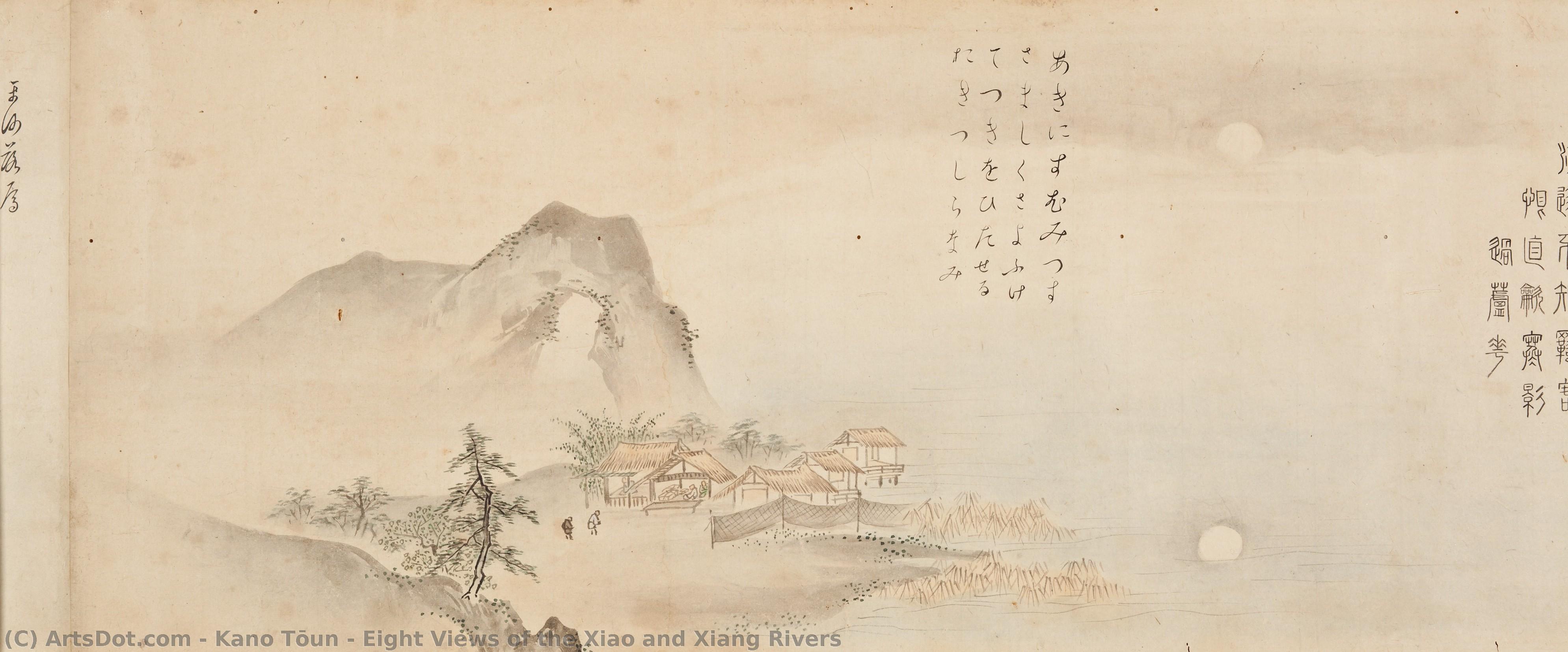
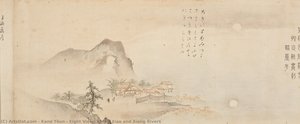
Eight Views of the Xiao and Xiang Rivers
 1675
1675 27.0 x 513.0 cm
 Read More
Hand Made Oil Reproduction
Hand-painted oil on canvas in your size and frame, made to order by our artists. ( Buy Print Buy Image)




































Pick from our preset sizes that match the artwork's original proportions.

You may enter your own dimensions to fit a specific frame or space. If your selected size does not match the original image's proportions, we will either crop the artwork or extend the painting with additional hand-painted elements. A digital mockup will be sent for your approval before production begins.
Please note that the on-screen preview does not reflect the actual cropping or extension. Only the mockup will accurately show the final composition.
While custom sizes are available, we recommend selecting a dimension from the predefined list to preserve the original proportions.
After order, ArtsDot.com team will email client for instructions and provide a mockup preview
Worldwide Delivery () in 3/4 weeks instead of standard 5 weeks. (2 September). No compromise on quality.

Free Worldwide Express Shipping

High-Quality Linen Canvas

Full Shipping Insurance

Customs Tax Refund Guarantee

True Color Matching Guarantee

60-Day Return Policy (Defects Only)

100% Money-Back Guarantee

Bulk Discount Offer
 Glass option is only available in size under 110 CM

Eight Views of the Xiao and Xiang Rivers
Reproduction Medium
Reproduction Size
-


Total Price
$ 263
Related Artworks








Artist Biography
The Architect of a Japanese Artistic Legacy
In the vibrant, shifting landscape of Edo-period Japan, few names command as much reverence as Kano Tōun, also known as Masunobu Kano. Born in Tokyo in 1625, Tōun did not merely exist within his era; he helped architect the very visual language that would define Japanese aesthetics for over two centuries. Emerging from a lineage deeply rooted in samurai heritage and artistic patronage, he possessed a rare combination of political acumen and creative brilliance. His life was a masterful tapestry woven from the threads of tradition and innovation, as he navigated the tumultuous waters of the Tokugawa shogunate to establish the Kano School as the preeminent artistic force in the nation.
The foundations of Tōun’s genius were laid in his youth through rigorous training under his father, the accomplished artist Kanō Muneshige. This early immersion provided him with a profound appreciation for the delicate complexities of Chinese ink painting techniques. Seeking to deepen his mastery, Tōun studied at the Shōkokuji Temple in Kyoto, where he absorbed the stylistic nuances of the Song and Yuan Dynasties. It was here that he began to synthesize the disciplined brushwork of his ancestors with a fresh, evocative sensibility, preparing him to transform a family tradition into a sweeping national movement.
Mastery of Ink and the Spirit of Suiboku
At the heart of Tōun’s artistic identity was his unparalleled command of suiboku, or water-ink painting. This technique, rooted in the monochrome traditions of Chinese ink wash art, allowed him to capture the ephemeral essence of the natural world through subtle gradations of grey and black. Unlike the more opulent and pigment-heavy styles that sought to dazzle with color, Tōun embraced the profound beauty found in understatement. His work often focused on the interplay of light, shadow, and negative space, creating compositions that breathed with a quiet, meditative energy.
His ability to manipulate ink allowed him to render landscapes and seasonal motifs with a poetic depth that resonated with both the Zen clergy and the ruling elite. Whether depicting the misty peaks of distant mountains or the delicate petals of a spring blossom, Tōun utilized the strength of his brushstrokes to convey movement and life. This mastery of suiboku was not merely a technical feat but a spiritual one, as he sought to capture the qi, or vital life force, of his subjects, ensuring that every stroke carried emotional weight and historical resonance.
Political Ascendancy and the Kano Legacy
Tōun’s life was as much defined by his political maneuvers as by his paintbrush. His rise to prominence coincided with the consolidation of power under the Tokugawa shogunate, a period where art and politics were inextricably linked. Having served in high-stakes roles—including time as a hostage for the Imagawa clan—he eventually gained the favor of legendary unifiers such as Oda Nobunaga and Toyotomi Hideyoshi. These connections granted him unparalleled access to royal patronage, allowing his work to adorn the most prestigious settings in Japan, from the grand halls of Osaka Castle to the serene interiors of Zen temples.
Beyond his individual achievements, Tōun’s greatest historical significance lies in his role as the progenitor of a hereditary lineage. He did not simply paint; he established a structured system of professional artists dedicated to upholding and evolving the teachings of his predecessors. This institutionalization of the Kano style ensured that his aesthetic principles would persist through generations of painters, influencing everything from massive sliding door fusuma to intimate handscrolls. Through his shrewd leadership and artistic vision, Kano Tōun transformed a family craft into an enduring cultural institution that shaped the soul of Japanese art for centuries.
kano tōun
1625 - 1694 , Japan
Quick Facts
- Artistic Movement Or Style: Kanō School
- Artists Or Movements Influenced By This Artist: ['Chinese painting']
- Artists Who Influenced This Artist: ['Tenshō Shūbun']
- Date Of Birth: Tokyo, Japan (1625)
- Full Name: Kano Tōun Masunobu
- Nationality: Japanese
- Notable Artworks:
- Eight Views of Xiao
- Birds and flowers of spring and summer
- Place Of Birth: Tokyo