 Preview
 Send
Send Share
Share
 Details

 Download
 Similars
 X-Ray
X-Ray Diaporama
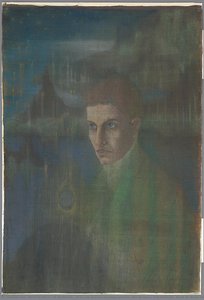
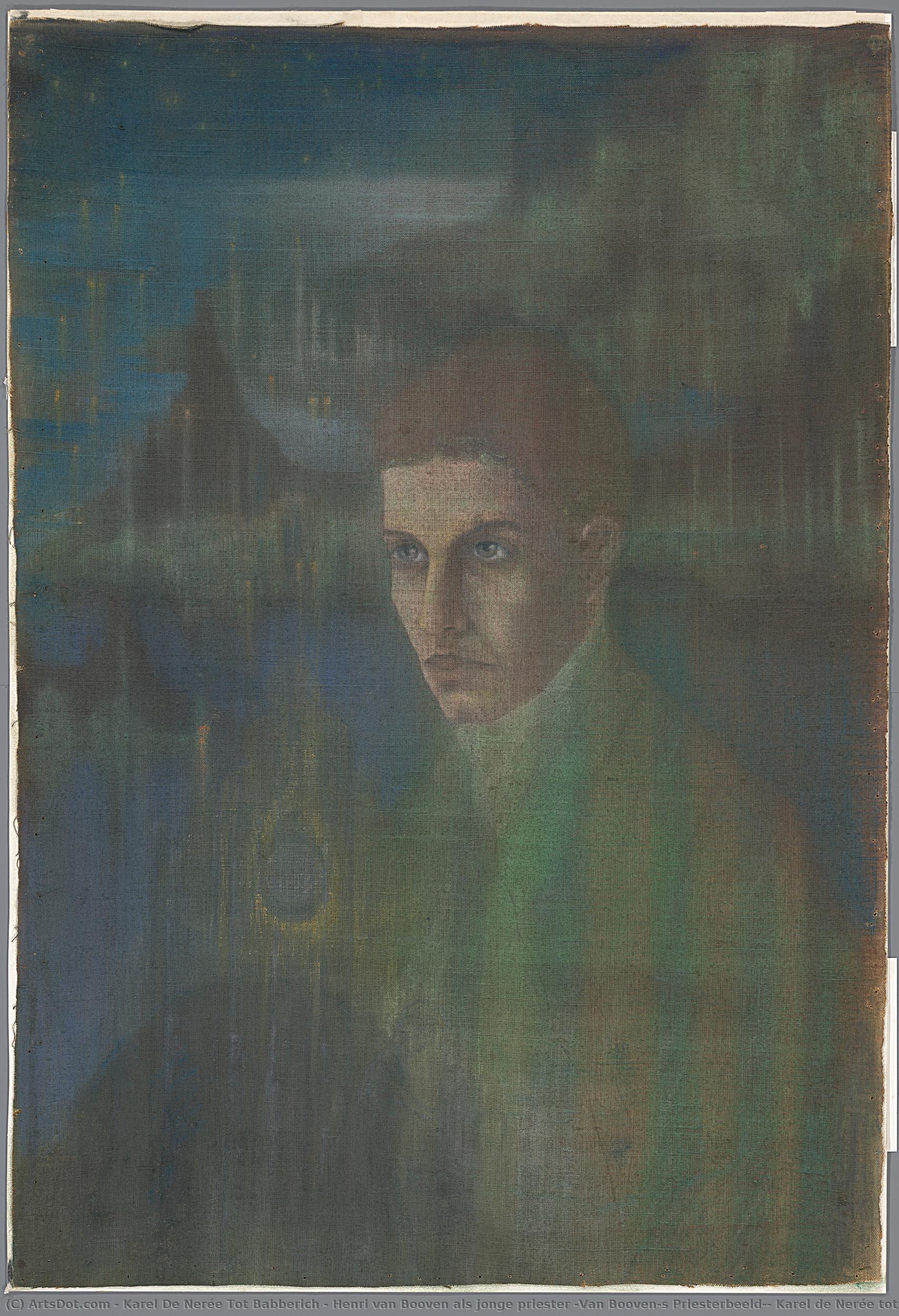
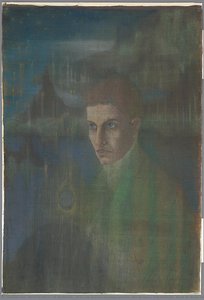
Henri van Booven als jonge priester (Van Booven’s Priesterbeeld), Karel de Nerée tot Babberich, 1900 - 1901
 1901
1901 82.0 x 57.0 cm
 Read More
Hand Made Oil Reproduction
Hand-painted oil on canvas in your size and frame, made to order by our artists. ( Buy Print Buy Image)




































Pick from our preset sizes that match the artwork's original proportions.

You may enter your own dimensions to fit a specific frame or space. If your selected size does not match the original image's proportions, we will either crop the artwork or extend the painting with additional hand-painted elements. A digital mockup will be sent for your approval before production begins.
Please note that the on-screen preview does not reflect the actual cropping or extension. Only the mockup will accurately show the final composition.
While custom sizes are available, we recommend selecting a dimension from the predefined list to preserve the original proportions.
After order, ArtsDot.com team will email client for instructions and provide a mockup preview
Worldwide Delivery () in 3/4 weeks instead of standard 5 weeks. (29 August). No compromise on quality.

Free Worldwide Express Shipping

High-Quality Linen Canvas

Full Shipping Insurance

Customs Tax Refund Guarantee

True Color Matching Guarantee

60-Day Return Policy (Defects Only)

100% Money-Back Guarantee

Bulk Discount Offer
 Glass option is only available in size under 110 CM

Henri van Booven als jonge priester (Van Booven’s Priesterbeeld), Karel de Nerée tot Babberich, 1900 - 1901
Reproduction Medium
Reproduction Size
-


Total Price
$ 263
Related Artworks




Artist Biography
A Fleeting Glimpse of Decadence: The Life and Art of Karel de Nerée tot Babberich
Christophe Karel Henri de Nerée tot Babberich, a name that whispers of a bygone era, remains a captivating yet tragically brief presence in the landscape of Symbolist art. Born on March 18th, 1880, at Huize Babberich in Zevenaar, Netherlands, his life was as delicately wrought and ephemeral as the drawings he created. He hailed from an aristocratic family – his father, Frederick de Nerée tot Babberich, represented a lineage steeped in Dutch history – yet it was not tradition that defined Karel’s path but rather a fervent embrace of artistic expression, specifically within the burgeoning Symbolist movement. His early years were marked by a fascination with literature and drawing, passions that would intertwine to form the core of his unique aesthetic vision. The premature death of his father in 1882 cast a long shadow, perhaps contributing to the melancholic undertones so prevalent in his work.The Embrace of Symbolism: Influences and Early Development
De Nerée’s artistic awakening occurred around 1898, coinciding with a period of intense creative exploration. He found himself drawn to the decadent and symbolist currents sweeping across Europe, particularly captivated by the works of Charles Baudelaire, whose poetry explored themes of beauty, decay, and the darker aspects of human experience. However, it was the visual language of artists like Aubrey Beardsley and Jan Toorop that truly ignited his imagination. Beardsley’s sinuous lines, provocative imagery, and masterful use of black and white resonated deeply with De Nerée's own sensibilities. From Toorop he absorbed a sense of mystical atmosphere and the exploration of spiritual themes. He began to develop a distinctive style characterized by intricate draftsmanship, elongated figures, and an often unsettling eroticism. His early works were largely private explorations, circulated amongst a small circle of friends and fellow artists, hinting at a talent poised for greater recognition.Recurring Motifs: Women, Clowns, and the Allure of Gold
De Nerée’s oeuvre, though relatively small due to his untimely death, is remarkably consistent in its thematic concerns. Femmes fatales, often depicted with languid poses and enigmatic expressions, dominate his drawings. These were not idealized representations of beauty but rather explorations of dangerous allure and the destructive power of desire. Alongside these captivating women appeared a recurring figure: the clown. De Nerée’s clowns are far from jovial; they embody a profound sense of sadness, alienation, and existential angst. They serve as poignant symbols of human vulnerability and the masks we wear to conceal our inner turmoil. A defining characteristic of his technique was his innovative use of gold – not merely as an embellishment but as an integral element of composition, lending a shimmering, otherworldly quality to his works. This subtle yet powerful application of gold created a unique visual effect that set him apart from his contemporaries and became a hallmark of his style.A Brief But Impactful Legacy: Major Achievements and Historical Significance
Despite a career cut short by illness – he died on October 19th, 1909, at the young age of 29 – Karel de Nerée tot Babberich left an indelible mark on European Symbolism. His drawings, though not widely exhibited during his lifetime, circulated amongst influential artistic circles and garnered critical acclaim for their technical virtuosity and evocative power. Works like “Henri van Booven als jonge priester (Van Booven’s Priesterbeeld)” and “The Actors Studio” exemplify his mastery of line, composition, and psychological depth. He stands as a key figure in bridging the gap between the decadent aestheticism of Beardsley and the more spiritual concerns of Toorop. His art offers a glimpse into a world of dreams, desires, and anxieties – a fleeting but potent expression of the fin-de-siècle mood. Today, De Nerée’s work is increasingly recognized for its originality and enduring appeal, solidifying his place as a significant, if often overlooked, artist of the Symbolist era.The Enduring Appeal: Rediscovering Karel de Nerée tot Babberich
- De Nerée's drawings provide valuable insight into the psychological complexities of the Symbolist movement.
- His innovative use of gold as a compositional element continues to inspire contemporary artists.
- The themes he explored – alienation, desire, and the duality of human nature – remain relevant in modern society.
- He represents a fascinating intersection of aristocratic heritage and avant-garde artistic expression.
Quick Facts
- Artistic Movement Or Style: Symbolism, Decadence
- Artists Who Influenced This Artist:
- Charles Baudelaire
- Aubrey Beardsley
- Jan Toorop
- Date Of Birth: March 18, 1880
- Date Of Death: October 19, 1909
- Full Name: Christophe Karel Henri de Nerée tot Babberich
- Nationality: Dutch
- Notable Artworks:
- Henri van Booven as Young Priest
- The Actors Studio
- Place Of Birth: Zevenaar, Netherlands