 Preview
 Send
Send Share
Share
 Details

 Download
 Similars
 X-Ray
X-Ray Diaporama
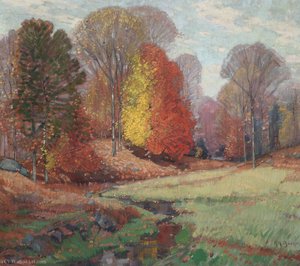
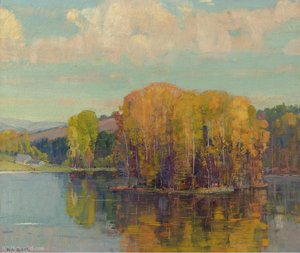
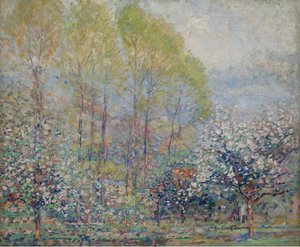
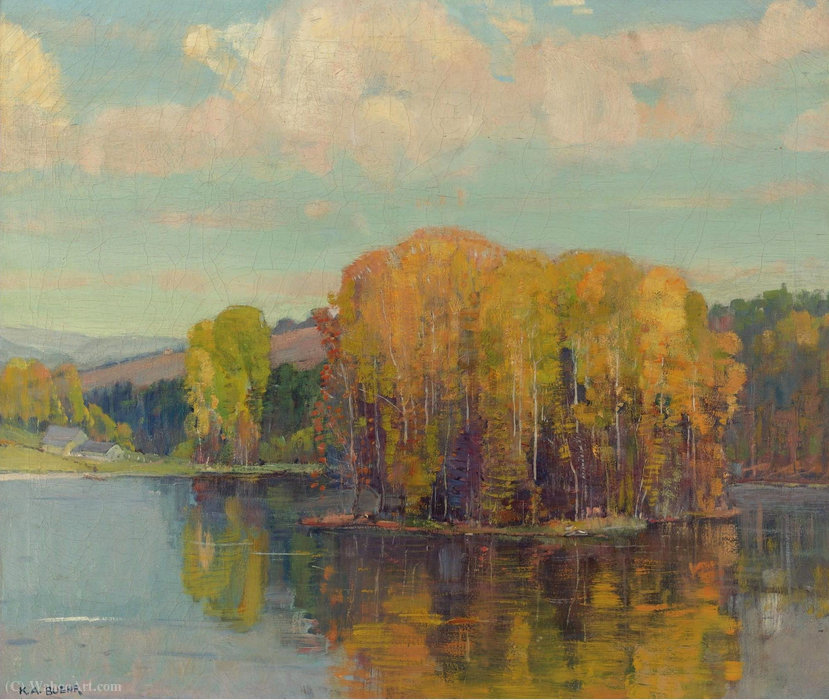
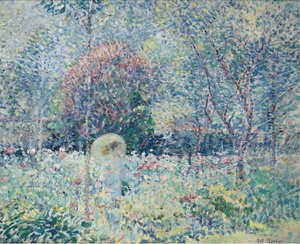
Autumn in Vermont, (1949)
 Read More
Giclée / Art Print
Museum-quality giclée or canvas print with fast production and flexible finish options. ( Buy Hand Made Painting Buy Image)




































Pick from our preset sizes that match the artwork's original proportions.

You may enter your own dimensions to fit a specific frame or space. If your selected size does not match the original image's proportions, we will either crop the artwork or extend the image with a mirrored or solid-fill edge. A digital mockup will be sent for your approval before production begins.
Please note that the on-screen preview does not reflect the actual cropping or extension. Only the mockup will accurately show the final composition.
While custom sizes are available, we recommend selecting a dimension from the predefined list to preserve the original proportions.
Worldwide Delivery () in 2 weeks instead of standard 4/5 weeks. (26 August)

Free Worldwide Express Shipping

High-Quality Linen Canvas

Full Shipping Insurance

Customs Tax Refund Guarantee

True Color Matching Guarantee

60-Day Return Policy (Defects Only)

100% Money-Back Guarantee

Bulk Discount Offer
 Glass option is only available in size under 110 CM

Autumn in Vermont, (1949)
Giclée / Art Print
Reproduction Size
-


Total Price
$ 63
Related Artworks
Artist Biography
The Soul of the Landscape: The Life and Art of Karl Albert Buehr
To wander through the canvases of Karl Albert Buehr is to step into a world where time slows, and the ephemeral beauty of nature is captured in a state of eternal grace. Born in 1866 in Feuerbach, near Stuttgart, Buehr’s artistic DNA was woven from a deep-seated reverence for the natural world. His father, Frederick Buehr, a respected botanist, provided the scientific foundation for this fascination, while his mother, Henrietta Doh, nurtured the intellectual and cultural curiosity that would later define his creative spirit. This early immersion in the rhythms of biology and beauty prepared him for a life dedicated to the pursuit of light and atmosphere.
The trajectory of Buehr’s life took a transformative turn in the 1880s when he relocated to Chicago, a city then vibrating with new artistic energies. His path to mastery was as much about grit as it was about talent; working in a lithograph company near the Art Institute of Chicago, he found himself surrounded by the very essence of visual culture. In a remarkable display of dedication, Buehr served as a night watchman at the Institute, using the quiet hours of the night to study the great masters. This period of solitary observation, combined with formal studies under John H. Vanderpoel and the influence of Theodore Lukits, allowed him to refine a technique that blended rigorous academic skill with the breezy, spontaneous spirit of Impressionism.
A Journey Through Light: From Chicago to Giverny
While his roots were German and his training American, Buehr’s artistic heart found its most profound expression in the landscapes of Europe. Following a period of international travel that included the sun-drenched vistas of Sicily and the romantic canals of Venice, Buehr arrived at a pivotal moment in art history. The year 1909 marked a metamorphosis in his style. As he began spending summers near Claude Monet in Giverny, France, his work shed its more structured origins to embrace the luminous, plein-air essence of French Impressionism.
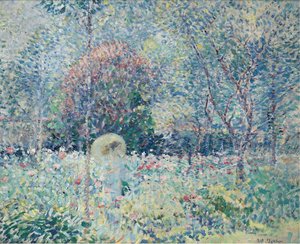
In Giverny, Buehr became a chronicler of the garden’s quiet magic. His paintings from this era, such as Springtime in Giverny, do not merely depict flora; they evoke the very scent of damp earth and the warmth of filtered sunlight. He mastered the ability to capture the fleeting interplay of shadow and brilliance, often focusing on female subjects posed amidst lush, verdant settings. This delicate balance between figure and landscape created a sense of profound tranquility, making him a significant contributor to the California Plein Air Revival movement later in his career.
Legacy and Artistic Triumph
The significance of Karl Albert Buehr lies in his ability to bridge the gap between the disciplined observation of the academy and the emotive freedom of the Impressionist movement. His achievements were recognized by his peers through prestigious honors, including:
- A Bronze Medal at the 1904 St. Louis Universal Exposition, marking his emergence as a talent of international caliber.
- Election to the National Academy of Design as an Associate member in 1922, a testament to his standing within the American art establishment.
- A Distinguished Teaching Career at the Art Institute of Chicago, where he passed his profound understanding of light and color to a new generation of artists.
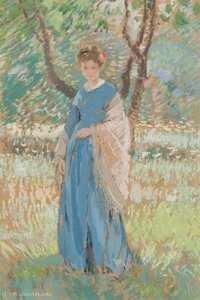
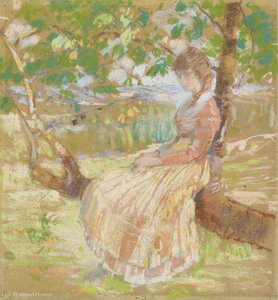
Beyond the accolades, Buehr’s true legacy is found in the emotional resonance of his work. Whether through the soft pastel textures of Girl Seated on a Tree or the vibrant oil strokes of Gathering Flowers, he remains a painter of peace. His life's work serves as a gentle reminder of the beauty that exists in the quiet corners of the world, inviting every viewer to pause and find solace in the enduring splendor of the natural landscape.
karl albert buehr
1866 - 1952
Quick Facts
- Artistic Movement Or Style: Impressionism
- Artists Or Movements Influenced By This Artist: ['California Plein-Air Revival']
- Artists Who Influenced This Artist: ['Monet']
- Date Of Birth: 1866
- Date Of Death: 1952
- Full Name: Karl Albert Buehr
- Nationality: German
- Notable Artworks:
- Springtime in Giverny
- Girl Seated on a Tree
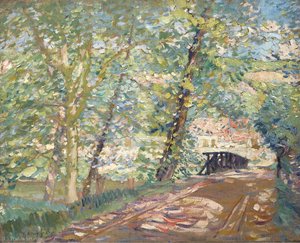
- The Artist's House Seen through Trees
- Place Of Birth: Germany