 Preview
 Send
Send Share
Share
 Details

 Download
 Similars
 X-Ray
X-Ray Diaporama
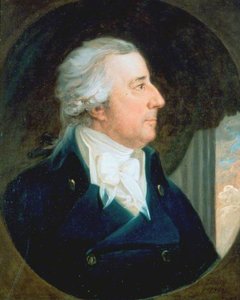
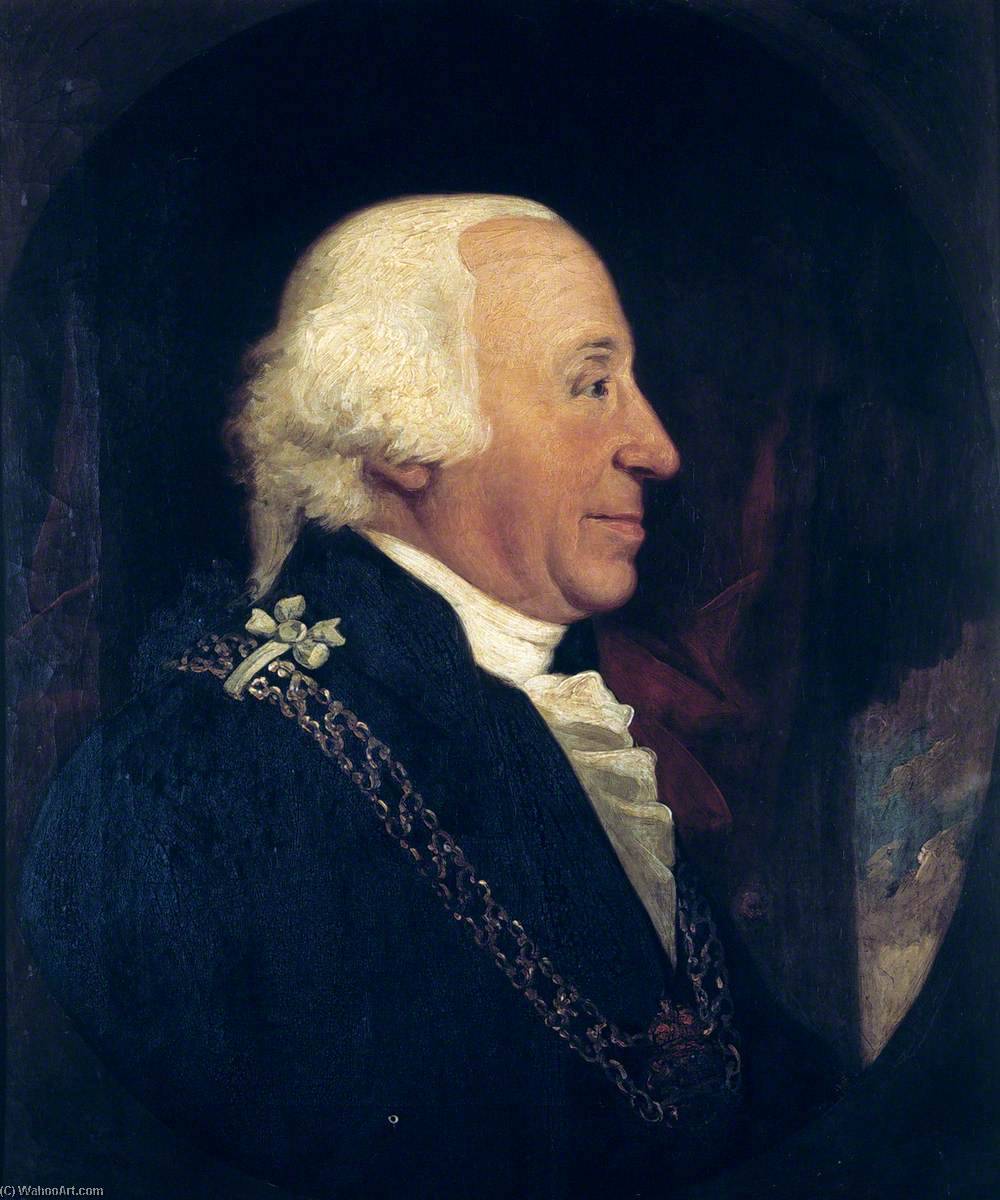
Edward Colman
 1794
1794 64.0 x 51.0 cm
 Read More
Hand Made Oil Reproduction
Hand-painted oil on canvas in your size and frame, made to order by our artists. ( Buy Print Buy Image)




































Pick from our preset sizes that match the artwork's original proportions.

You may enter your own dimensions to fit a specific frame or space. If your selected size does not match the original image's proportions, we will either crop the artwork or extend the painting with additional hand-painted elements. A digital mockup will be sent for your approval before production begins.
Please note that the on-screen preview does not reflect the actual cropping or extension. Only the mockup will accurately show the final composition.
While custom sizes are available, we recommend selecting a dimension from the predefined list to preserve the original proportions.
After order, ArtsDot.com team will email client for instructions and provide a mockup preview
Worldwide Delivery () in 3/4 weeks instead of standard 5 weeks. (17 August). No compromise on quality.

Free Worldwide Express Shipping

High-Quality Linen Canvas

Full Shipping Insurance

Customs Tax Refund Guarantee

True Color Matching Guarantee

60-Day Return Policy (Defects Only)

100% Money-Back Guarantee

Bulk Discount Offer
 Glass option is only available in size under 110 CM

Edward Colman
Reproduction Medium
Reproduction Size
-


Total Price
$ 263
Related Artworks
Artist Biography
Karl Anton Hickel: A Portraitist of European Royalty
Karl Anton Hickel (1745 – 1798) stands as a significant figure in the artistic landscape of the late Enlightenment, primarily recognized for his prolific output of portraits capturing the grandeur and complexities of European aristocracy during his lifetime. Born in Český Krumlov, Bohemia, Hickel’s artistic journey commenced with enrollment at the Academy of Fine Arts Vienna in 1758, where he honed his skills under the tutelage of esteemed instructors—a formative experience that would profoundly shape his stylistic sensibilities and establish him as a respected artist within Viennese circles. His brother, Joseph Hickel, also a painter, served as an influential collaborator and mentor, fostering a familial tradition of artistic excellence. Following graduation, Karl embarked on a distinguished career traversing Europe, dedicating himself to the craft of portraiture—a vocation that would bring him into contact with some of the era’s most prominent personalities. Beginning in 1779, Hickel established himself as a traveling artist, undertaking commissions across Germany and Switzerland, meticulously documenting the faces and attire of dignitaries and noble families alike. Notably, he gained renown for his depiction of Charles Theodore, Electors of Bavaria—a portrait that exemplifies Hickel’s meticulous attention to detail and ability to convey character through nuanced observation. Further expeditions extended his artistic reach into Mannheim and Mainz, where he continued to produce captivating portraits reflecting the social dynamics of these burgeoning urban centers. However, Hickel's most enduring legacy stems from his service as the official court painter for Joseph II, Holy Roman Emperor—a position that afforded him unparalleled access to imperial patronage and allowed him to contribute significantly to the visual representation of Habsburg rule. During this period, he traveled extensively throughout France, engaging with artistic circles in Paris and securing commissions from influential figures such as Marie Antoinette and Marie Louise—demonstrating Hickel’s adaptability and his capacity to thrive within diverse cultural contexts. Hickel's artistic style is characterized by a blend of Rococo elegance and Neoclassical precision. He skillfully employed techniques honed at Vienna, favoring soft brushstrokes and subtle tonal gradations to achieve an ethereal quality in his portraits—a hallmark of Viennese painting during the period. Simultaneously, he embraced the stylistic ideals championed by neoclassicism, prioritizing clarity of form and harmonious composition—reflecting the broader intellectual currents shaping European art and culture. His works are notable for their psychological depth, capturing not merely physical likeness but also conveying an artist’s understanding of his subjects' inner lives. Among Hickel’s most celebrated achievements is undoubtedly his portrait of William Wilberforce (1759–1833), a pivotal figure in the abolitionist movement and a champion of human rights. This evocative depiction captures Wilberforce’s solemn gaze and dignified posture—a testament to Hickel's ability to convey emotion through visual representation. Furthermore, Hickel’s contribution to the artistic discourse of his time is underscored by his association with luminaries such as John King, whose influence undoubtedly enriched Hickel’s artistic vision. His enduring reputation rests upon a body of work that continues to fascinate scholars and art enthusiasts alike—a testament to Hickel's mastery of portraiture and his indelible mark on European art history.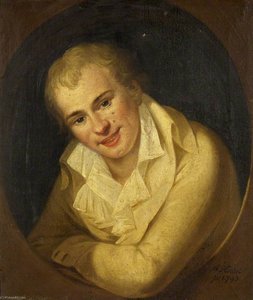
karl anton hickel
1745 - 1798
Quick Facts
- Artistic Movement Or Style: Classical Portraiture
- Artists Or Movements Influenced By This Artist: ['European Painting']
- Artists Who Influenced This Artist: ['Joseph Hickel']
- Date Of Death: 1798
- Full Name: Karl Anton Hickel
- Nationality: Austrian
- Notable Artworks: ['Charles Theodore']
- Place Of Birth: Czech Kromlov, Bohemia