

 Preview
 Send
Send Share
Share
 Details

 Download
 Similars
 X-Ray
X-Ray Diaporama
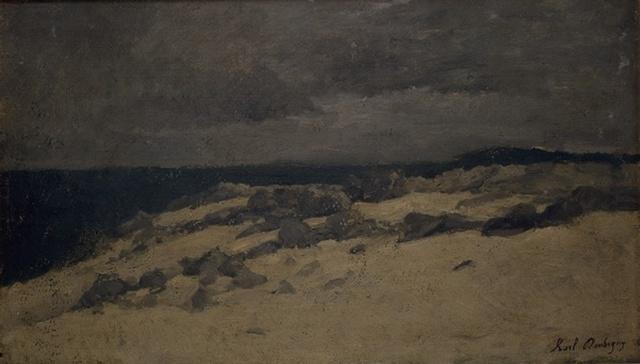
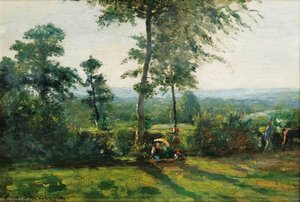
Bord de mer La mer du Nord
 Read More
Purchase a high-resolution, enhanced digital image, far superior to the online preview.
Each file is meticulously prepared by our in-house specialists using advanced tools and expert manual retouching. We ensure every image has exceptional clarity, precise color accuracy, and fine detail.
The final file is delivered via email within 72 hours, optimized for immediate use in professional, editorial, and print environments. This is the same quality trusted by top-tier design studios, publishers, and galleries.
Digital Image
Download a high-resolution file for personal display, printing, and creative projects. ( Buy Print Buy Hand Made Painting)
Included in Every Digital Image Order
Expert Digital Delivery, Guaranteed
When you choose ArtsDot.com, you're not just getting an image - you're receiving a professionally enhanced digital artwork, crafted with precision and backed by a satisfaction guarantee. Here's everything that comes with your order, automatically:

Fast Email Delivery
Your high-resolution digital image file will be emailed to you within 72 hours of ordering - ready for immediate use.

AI-Enhanced Digital File
Your artwork is professionally optimized using advanced AI tools and manual editing, ensuring maximum detail, clarity, and color accuracy.

Free Lifetime Re-Delivery
Accidentally deleted or lost your file? No worries - we'll resend it to you anytime, free of charge.

No Import Fees - Ever
Enjoy your artwork instantly with zero customs, duties, or delivery fees - digital downloads are always tax-free.

Color Accuracy Guarantee
We ensure your digital image reflects the original colors as closely as possible using professional tools and color management.

60-Day Satisfaction Guarantee
If you're not satisfied with your digital image, we'll revise it or refund 100% within 60 days - no questions asked.

100% Money-Back Guarantee
Not satisfied? Get a full refund within 60 days of receiving your digital file - no questions asked.

Bulk Order Discounts
Buy 3 images, save 10% - Buy 5, save 15% - Buy 10+, save 20%. Great for creative projects, galleries, and agencies.
Related Artworks







Artist Biography
Karl Daubigny: Painter of Light and Normandy’s Soul
Karl Pierre Daubigny (1846-1886) wasn't merely a landscape painter; he was an alchemist of light, a translator of the shifting moods of Normandy into brushstrokes that shimmered with atmosphere. Born in Paris, the son of the esteemed Charles François Daubigny – himself a pivotal figure in the Barbizon school – Karl inherited not just artistic lineage but also a profound respect for nature’s raw beauty and an innovative spirit that would ultimately shape his distinctive style. His life was a fascinating interplay between tradition and experimentation, firmly rooted in the legacy of his father while simultaneously forging his own unique path towards capturing the ephemeral qualities of light and color.
Early influences were deeply intertwined with his family’s artistic heritage. His father, Charles François Daubigny, had already established himself as a leading figure in the Barbizon school, known for his direct observation of nature and rejection of academic conventions. Karl spent his formative years absorbing this approach, learning to paint *en plein air* – directly from life – and developing an appreciation for the subtle nuances of color and texture. However, unlike his father’s more grounded depictions, Karl possessed a heightened sensitivity to light, particularly its ability to transform landscapes throughout the day. This fascination would become the cornerstone of his artistic vision.
Daubigny's early career was marked by a dedication to printmaking alongside painting. He mastered the intricate techniques of etching and aquatint, producing stunningly detailed images that showcased his meticulous observation skills. This dual focus – painting and printmaking – proved invaluable, allowing him to explore different approaches to capturing light and atmosphere. The use of the ‘cliché verre’ technique, a process pioneered with Camille Corot, further expanded his artistic horizons, blending photographic elements with traditional printmaking methods to achieve unprecedented levels of realism and luminosity.
The Normandy Years: A Transformation in Style
A pivotal moment in Daubigny's career arrived in 1852 when he relocated to Barbizon, a rural community nestled in the Loire Valley. This move was more than just a geographical shift; it represented a fundamental transformation in his artistic approach. The Barbizon school championed a return to nature and a rejection of studio-based painting, encouraging artists to immerse themselves in the landscapes they depicted. It was here, under the influence of Camille Corot – a master of light and atmosphere – that Daubigny truly blossomed.
Normandy became his primary subject, and it’s within this region that he achieved his most celebrated works. The rolling hills, shimmering rivers, and dramatic coastlines provided an endless source of inspiration. Daubigny wasn't simply recording these scenes; he was attempting to capture the *feeling* of being there – the warmth of the sun on the water, the coolness of the shade beneath a tree, the ever-changing quality of light. His paintings are characterized by loose brushstrokes, subtle color variations, and an almost palpable sense of atmosphere. He skillfully employed broken color techniques, layering translucent washes to create a luminous effect that seemed to emanate from within the canvas.
His most iconic works during this period include “Plage de Villerville,” depicting the sun-drenched beach with its vibrant colors and dynamic composition; "Paysage de bord de mer Honfleur ferme Saint Siméon (ancien titre) l'Estuaire de Seine (autre titre)," a masterful rendering of the estuary, capturing the interplay of light and water; and “Voiliers sur l’estuaire,” showcasing sailboats gliding across the shimmering waters. These paintings are not merely representations of landscapes; they are invitations to experience them – to feel the warmth of the sun, hear the sound of the waves, and breathe in the fresh air.
Influences and Artistic Connections
Daubigny’s artistic development was shaped by a confluence of influences. As mentioned earlier, his father's legacy provided a foundational understanding of landscape painting and *en plein air* techniques. However, his encounter with Camille Corot proved to be particularly transformative. Corot’s emphasis on capturing the fleeting effects of light and atmosphere profoundly impacted Daubigny’s style, encouraging him to move beyond mere representation and towards a more expressive approach.
Furthermore, Daubigny maintained close relationships with other prominent artists of his time, including Gustave Courbet and Paul Cézanne. Courbet's commitment to realism and social commentary influenced Daubigny’s exploration of everyday subjects, while Cézanne’s later work – characterized by its geometric simplification and emphasis on form – may have subtly informed Daubigny’s evolving style. The Barbizon school itself fostered a vibrant artistic community where ideas were exchanged freely, contributing to the collective evolution of French painting.
Legacy and Historical Significance
Despite his considerable talent and significant contributions to the Barbizon school, Karl Daubigny's career was tragically cut short by illness at the relatively young age of 40. However, his legacy endures as a pivotal figure in the transition from Realism to Impressionism. His innovative use of light and color, coupled with his commitment to *en plein air* painting, paved the way for subsequent generations of artists who sought to capture the fleeting beauty of nature.
Daubigny’s work is now recognized as a significant contribution to French landscape painting. His paintings are held in major museums around the world, including the Louvre, Musée d'Orsay, and numerous regional collections. He remains an important figure in the history of art, admired for his poetic vision, technical skill, and enduring ability to capture the soul of Normandy’s landscapes.
karl daubigny
1846 - 1886
Quick Facts
- Artistic Movement Or Style: Barbizon School, Impressionism
- Artists Or Movements Influenced By This Artist:
- Karl Daubigny
- Hippolyte Camille Delpy
- Artists Who Influenced This Artist:
- Jean-Victor Bertin
- Jacques Raymond Brascassat
- Date Of Birth: February 15, 1817
- Date Of Death: February 19, 1878
- Full Name: Charles-François Daubigny
- Nationality: French
- Notable Artworks:
- Rolling Carts
- Springtime
- Borde de la Cure
- Place Of Birth: Paris, France

