

 Preview
 Send
Send Share
Share
 Details

 Download
 Similars
 X-Ray
X-Ray Diaporama
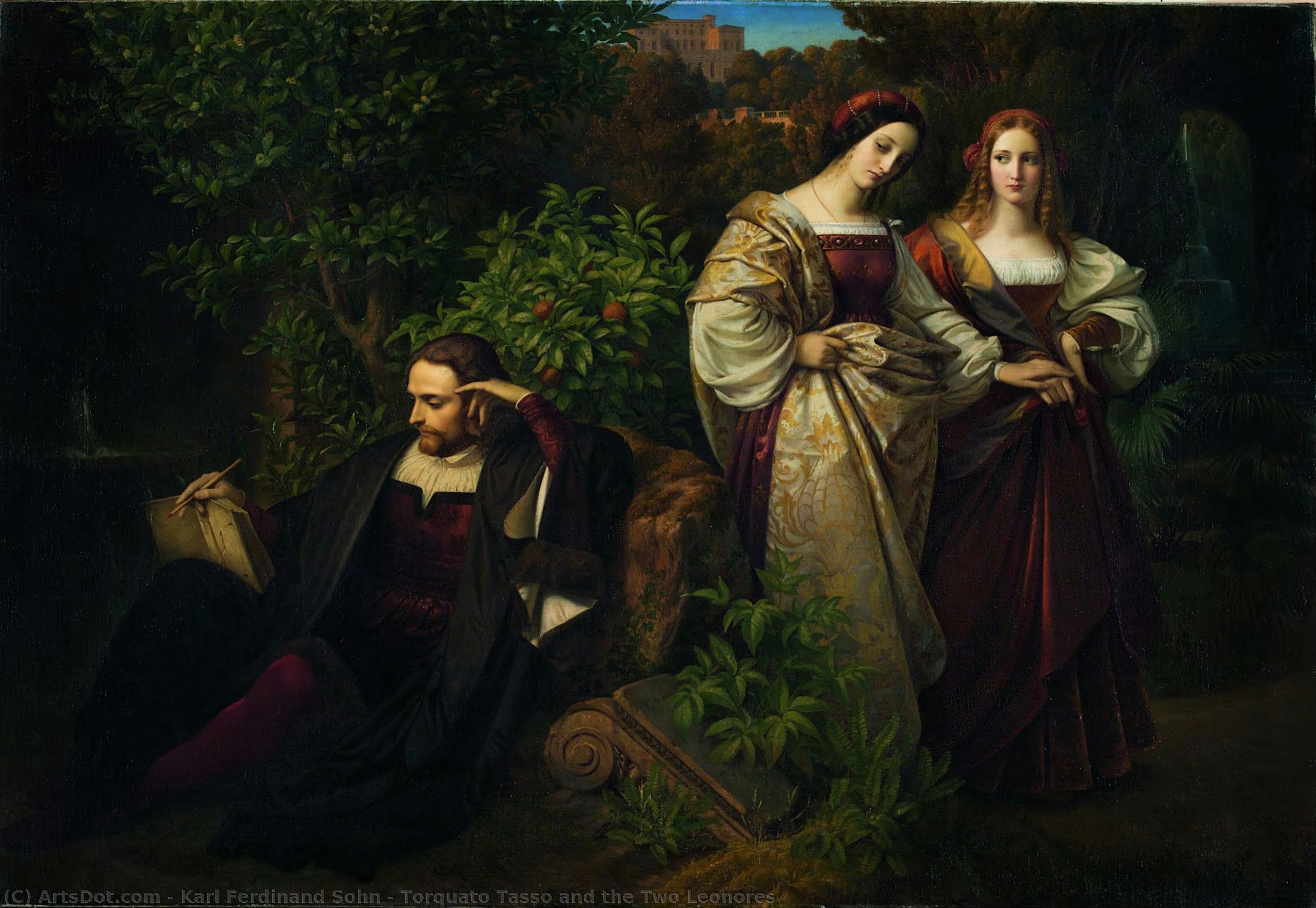
Torquato Tasso and the Two Leonores
 1839
1839 2555.0 x 1758.0 cm
 Kunstpalast
 Read More
Purchase a high-resolution, enhanced digital image, far superior to the online preview.
Each file is meticulously prepared by our in-house specialists using advanced tools and expert manual retouching. We ensure every image has exceptional clarity, precise color accuracy, and fine detail.
The final file is delivered via email within 72 hours, optimized for immediate use in professional, editorial, and print environments. This is the same quality trusted by top-tier design studios, publishers, and galleries.
Digital Image
Download a high-resolution file for personal display, printing, and creative projects. ( Buy Print Buy Hand Made Painting)
Included in Every Digital Image Order
Expert Digital Delivery, Guaranteed
When you choose ArtsDot.com, you're not just getting an image - you're receiving a professionally enhanced digital artwork, crafted with precision and backed by a satisfaction guarantee. Here's everything that comes with your order, automatically:

Fast Email Delivery
Your high-resolution digital image file will be emailed to you within 72 hours of ordering - ready for immediate use.

AI-Enhanced Digital File
Your artwork is professionally optimized using advanced AI tools and manual editing, ensuring maximum detail, clarity, and color accuracy.

Free Lifetime Re-Delivery
Accidentally deleted or lost your file? No worries - we'll resend it to you anytime, free of charge.

No Import Fees - Ever
Enjoy your artwork instantly with zero customs, duties, or delivery fees - digital downloads are always tax-free.

Color Accuracy Guarantee
We ensure your digital image reflects the original colors as closely as possible using professional tools and color management.

60-Day Satisfaction Guarantee
If you're not satisfied with your digital image, we'll revise it or refund 100% within 60 days - no questions asked.

100% Money-Back Guarantee
Not satisfied? Get a full refund within 60 days of receiving your digital file - no questions asked.

Bulk Order Discounts
Buy 3 images, save 10% - Buy 5, save 15% - Buy 10+, save 20%. Great for creative projects, galleries, and agencies.
Collectible Description
Related Artworks








Artist Biography
Charles Gough: A Romantic Martyr – An Enigmatic Figure of the Lake District
The story of Charles Gough is a haunting one, a tale woven from local legend and artistic fascination that solidified his place as an icon of the early Romantic movement. Born in 1784, Gough’s life was tragically brief, ending abruptly in April 1805 on the treacherous slopes of Helvellyn in the Lake District. While he achieved little recognition during his lifetime – a fact that fueled the romantic narrative surrounding his death – his story quickly captivated the imaginations of poets and artists, transforming him into a symbol of youthful daring, artistic passion, and ultimately, a martyr for the ideals of Romanticism. His untimely demise, shrouded in mystery and embellished with dramatic details, became a potent subject for artistic interpretation, cementing his legacy long after his physical presence was gone.
Gough’s early life offers little concrete information. He appears to have been an adventurous soul, drawn to the wild beauty of the Lake District. He arrived in 1805 as a tourist from Manchester, seeking inspiration and perhaps a respite from the constraints of urban life. His decision to undertake the perilous ascent of Helvellyn, a notoriously challenging peak, speaks to a restless spirit and a willingness to embrace risk – qualities that would become central to his tragic fate. Accounts suggest he was commissioned by a local artist to create a copy of existing drawings, but his reputation preceded him as one who sought out dangerous experiences, a characteristic noted by Thomas Clarkson, who described Gough as “a venturesome person” whose headstrong nature had caused alarm amongst the local shepherds.
The circumstances surrounding his death remain shrouded in speculation and conflicting accounts. The widely circulated story – popularized by the poet William Wordsworth and artist John Martin – depicts Gough attempting to scale Striding Edge, a narrow, exposed ridge on Helvellyn, accompanied by his dog, Foxie. A shepherd discovered the skeletal remains of Gough and his loyal companion near Red Tarn, a small lake nestled beneath the summit. The scene was described with unsettling detail: a shattered hat, suggesting a violent fall; the presence of Foxie, who had given birth to a puppy that perished shortly after – a poignant image of loss and survival. While some speculated about raven attacks, the prevailing narrative centered on a fatal misstep on Striding Edge, fueled by Gough’s perceived recklessness.
Beyond the immediate tragedy, Gough's death sparked intense artistic interest. The event was immediately seized upon as a powerful symbol of Romantic ideals – the celebration of nature, the embrace of risk, and the tragic fate of the individual against the overwhelming forces of the natural world. Artists like John Martin, known for his dramatic and apocalyptic landscapes, were particularly drawn to the story, transforming it into monumental paintings that explored themes of mortality, heroism, and the sublime. The image of Gough’s skeletal form on Helvellyn became a visual shorthand for Romanticism's fascination with death, beauty, and the untamed wilderness.
Influences and Artistic Style
While Charles Gough’s artistic output is remarkably scarce – only a handful of sketches and watercolors survive – his work reveals a clear influence from the prevailing trends of the early 19th century. His style can be characterized as a blend of topographical observation and sentimental emotion, echoing the sensibilities of artists like Jean-Baptiste Greuze, whose genre scenes focused on domestic dramas and emotional intensity. Like Greuze, Gough depicted scenes of everyday life, but imbued them with a heightened sense of drama and pathos.
The influence of Jean-Baptiste Greuze is particularly evident in Gough’s penchant for portraying emotionally charged moments within intimate settings. His sketches often capture fleeting expressions of grief, joy, or contemplation – qualities that resonate strongly with the emotional realism championed by Greuze. Furthermore, Gough's work demonstrates a keen eye for detail and an ability to render the rugged beauty of the Lake District landscape, reflecting the Romantic movement’s deep appreciation for nature.
However, unlike Greuze, who primarily focused on domestic scenes, Gough seems to have been particularly drawn to the wilder aspects of the natural world. His sketches often depict dramatic mountainscapes and turbulent weather conditions – elements that align with the Romantic fascination with the sublime and the power of untamed nature. It’s speculated that his experience as a tourist in the Lake District profoundly shaped his artistic vision, fostering a deep connection to the landscape and inspiring him to capture its raw beauty and inherent drama.
The Mythologization of Death
Following Gough's death, his story underwent a rapid process of mythologization. Initially reported with stark realism – describing the gruesome discovery of his remains and the loyal dog’s survival – the narrative quickly became embellished with poetic license and dramatic embellishments. Poets like William Wordsworth and Samuel Taylor Coleridge seized upon the tale, transforming it into a powerful allegory for Romantic ideals. The image of Gough as a youthful martyr, sacrificing himself in pursuit of artistic inspiration, resonated deeply with audiences eager to embrace the movement’s core tenets.
This mythologization extended beyond poetry and literature; it profoundly influenced visual art. Artists like John Martin produced monumental paintings depicting Gough's death on Helvellyn, transforming a tragic accident into a grand spectacle of heroism and sacrifice. These works not only served as artistic interpretations of the event but also helped to solidify Gough’s image as an iconic figure within the Romantic movement. The dramatic rendering of Striding Edge, coupled with the skeletal form of Gough and his faithful dog, became a potent symbol of Romanticism's fascination with death, beauty, and the sublime.
Legacy and Historical Significance
Despite his limited artistic output during his lifetime, Charles Gough’s story has had a surprisingly enduring impact on art history. His untimely death and subsequent mythologization transformed him into a potent symbol of Romanticism – a figure embodying the movement's core values: the celebration of nature, the embrace of risk, and the tragic fate of the individual against the overwhelming forces of the natural world.
Gough’s legacy is inextricably linked to the artistic interpretations of his death. Artists like John Martin elevated his story into monumental paintings that explored themes of mortality, heroism, and the sublime. Furthermore, Gough's narrative served as a powerful allegory for Romantic ideals, reinforcing the movement’s fascination with the untamed wilderness and the tragic potential of human ambition. Today, Charles Gough remains a fascinating enigma – a brief but significant figure whose untimely death continues to inspire artistic contemplation and serve as a poignant reminder of the enduring power of myth and legend.
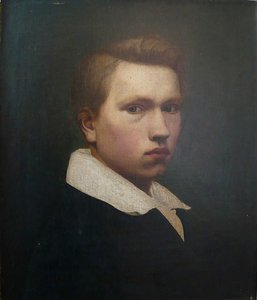
karl ferdinand sohn
1805 - 1867 , Germany
Quick Facts
- Artistic Movement Or Style: Romanticism
- Artists Or Movements Influenced By This Artist: ['Romanticism']
- Artists Who Influenced This Artist: ['Jean-Baptiste Greuze']
- Date Of Birth: 1784
- Date Of Death: April 1805
- Full Name: Charles Gough
- Nationality: English
- Notable Artworks:
- Striding Edge
- Helvellyn
- Red Tarn
- Place Of Birth: Manchester, England

