 Preview
 Send
Send Share
Share
 Details

 Download
 Similars
 X-Ray
X-Ray Diaporama
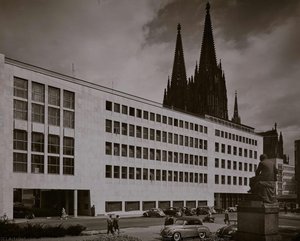
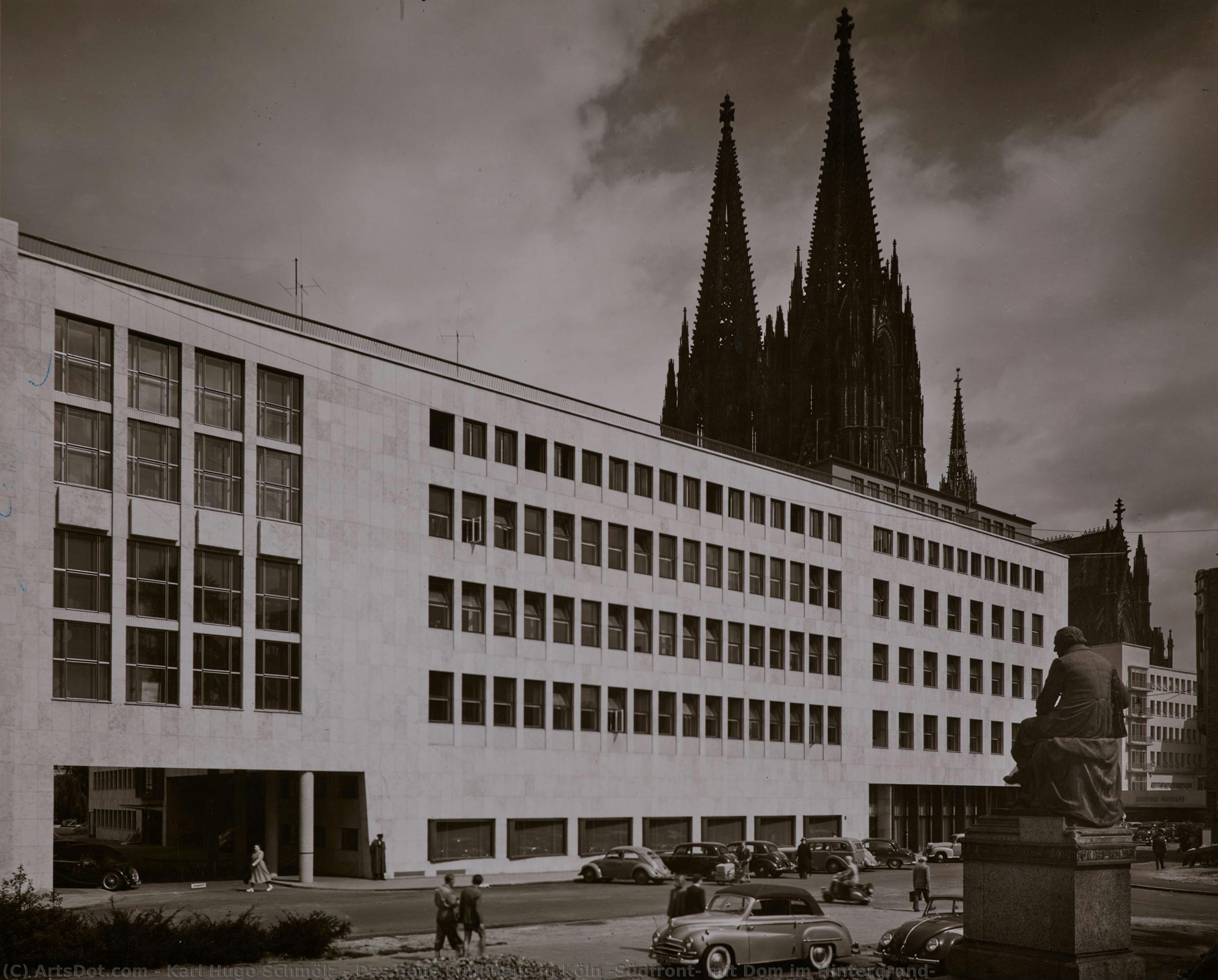
Das neue Funkhaus in Köln (Südfront, mit Dom im Hintergrund)

 Read More
Hand Made Oil Reproduction
Hand-painted oil on canvas in your size and frame, made to order by our artists. ( Buy Print Buy Image)




































Pick from our preset sizes that match the artwork's original proportions.

You may enter your own dimensions to fit a specific frame or space. If your selected size does not match the original image's proportions, we will either crop the artwork or extend the painting with additional hand-painted elements. A digital mockup will be sent for your approval before production begins.
Please note that the on-screen preview does not reflect the actual cropping or extension. Only the mockup will accurately show the final composition.
While custom sizes are available, we recommend selecting a dimension from the predefined list to preserve the original proportions.
After order, ArtsDot.com team will email client for instructions and provide a mockup preview
Worldwide Delivery () in 3/4 weeks instead of standard 5 weeks. (28 August). No compromise on quality.

Free Worldwide Express Shipping

High-Quality Linen Canvas

Full Shipping Insurance

Customs Tax Refund Guarantee

True Color Matching Guarantee

60-Day Return Policy (Defects Only)

100% Money-Back Guarantee

Bulk Discount Offer
 Glass option is only available in size under 110 CM

Das neue Funkhaus in Köln (Südfront, mit Dom im Hintergrund)
Reproduction Medium
Reproduction Size
-


Total Price
$ 263
Related Artworks









Artist Biography
Karl Hugo Schmölz: A Pioneer of German Architectural Photography
Karl Hugo Schmölz (1910-1986) stands as a pivotal figure in the history of German photography, recognized primarily for his masterful documentation of architectural spaces and industrial landscapes during the formative years of Neue Sachlichkeit—New Objectivity. Born in Cologne, Germany, Schmölz’s artistic journey began under the tutelage of his father, Hugo Schmölz, a respected photographer himself who instilled in Karl Hugo a meticulous approach to visual storytelling rooted in objectivity and precision. This foundational influence would shape Schmölz's distinctive style—characterized by a blend of traditional photographic techniques with innovative compositional strategies—establishing him as a leader within the Cologne photography scene.- Early Life & Education: Schmölz’s formative years were marked by a passion for visual arts and a dedication to mastering photographic craft. Details about his formal education remain somewhat sparse, suggesting he honed his skills largely through self-directed study and mentorship within his father's studio.
- Schmolz & Huth Studio: Schmölz’s professional life took root in 1938 with the establishment of Schmölz & Huth alongside his wife, Walde Huth. This collaborative venture quickly ascended to prominence as a premier furniture and interior architecture design studio in Cologne, serving not only as a creative hub but also as an influential voice within the city’s cultural landscape.
- Notable Projects: Schmölz's photographic output spanned diverse subjects—from monumental buildings like Das Neue Funkhaus Köln (Südfront, mit Dom im Hintergrund) to industrial sites capturing the dynamism of post-war Germany—demonstrating his versatility and commitment to portraying reality with unflinching honesty.
Das Neue Funkhaus Köln: Capturing Cologne’s Modern Spirit
Perhaps Schmölz's most enduring legacy resides in his iconic photograph of Das Neue Funkhaus Köln (The New Radio Building), commissioned for the Museum Folkwang in Essen in 1953. This monumental architectural project, conceived as a symbol of Cologne’s revitalization after World War II, demanded an ambitious visual representation—one that Schmölz successfully delivered through masterful use of perspective and lighting. The resulting image—featuring the Dom (Cathedral) prominently positioned in the background—became emblematic of Neue Sachlichkeit's aesthetic ideals: clarity, precision, and a detached observation of the subject matter. It exemplifies Schmölz’s ability to elevate architectural documentation into an art form, capturing not merely its physical dimensions but also its emotional resonance.- Technique & Composition: Schmölz employed a large-format camera—a hallmark of Neue Sachlichkeit—to achieve unparalleled detail and tonal range. His compositional choices prioritized geometric clarity and emphasized the cathedral’s grandeur against the backdrop of the urban landscape, reflecting the movement's fascination with rationalism and order.
- Influence & Legacy: Das Neue Funkhaus Köln continues to inspire architects and photographers alike, serving as a testament to Schmölz’s artistic vision and his contribution to shaping perceptions of Cologne’s architectural heritage.
Collaboration with Richard Fleischhut & The Bauhaus Influence
Schmölz's artistic development was profoundly shaped by collaborations with fellow photographer Richard Fleischhut, who shared a commitment to exploring the expressive potential of portraiture and travel photography—influenced heavily by the principles of Bauhaus. Fleischhut’s work complemented Schmölz’s architectural focus, fostering a dialogue between formal experimentation and humanist observation. This partnership exemplifies the broader artistic currents circulating in Germany during the mid-20th century—a period characterized by both intellectual rigor and aesthetic innovation.- Shared Aesthetic Values: Fleischhut and Schmölz embraced Neue Sachlichkeit’s ethos, prioritizing objectivity and stylistic restraint while simultaneously striving to convey emotional depth through carefully crafted images.
- Bauhaus Principles: The Bauhaus movement—with its emphasis on functional design and geometric abstraction—provided a conceptual framework for Schmölz's artistic endeavors, informing his compositional choices and contributing to the distinctive visual language of his oeuvre.
Recognition & Exhibitions
Schmölz’s photographic work garnered critical acclaim and was showcased in prestigious institutions such as Collection Hugo Fischer in Bühl and Karl XII Square in Stockholm—demonstrating his enduring relevance within the art world. His images were featured prominently in exhibitions exploring German Expressionism and regional artistic heritage, cementing his place as a significant contributor to the visual culture of his time.- Museum Collections: Schmölz’s photographs are housed in prominent museum collections worldwide—a testament to their aesthetic merit and historical significance.
- Critical Reception: Critics lauded Schmölz's ability to capture the essence of architectural spaces and industrial landscapes with unwavering precision—elevating photographic documentation into an art form worthy of scholarly attention.
Concluding Thoughts
Karl Hugo Schmölz’s legacy extends beyond his individual artworks; he represents a cornerstone of German photographic history, embodying the spirit of Neue Sachlichkeit's pursuit of clarity and objectivity while simultaneously demonstrating a profound appreciation for artistic expression. His enduring influence continues to inspire photographers today—a testament to his visionary approach and his unwavering dedication to capturing the beauty and complexity of the visual world.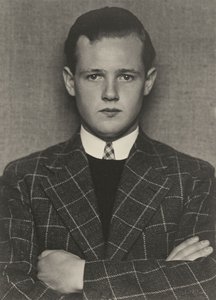
karl hugo schmölz
1910 - 1986 , Germany
Quick Facts
- Artistic Movement Or Style: Neue Sachlichkeit (New Objectivity)
- Artists Or Movements Influenced By This Artist:
- Hermann Claasen
- Bruno Paul
- Artists Who Influenced This Artist: ['Hugo Schmölz']
- Date Of Birth: 1910 Cologne Germany
- Date Of Death: 1986
- Full Name: Karl Hugo Schmölz
- Nationality: German
- Notable Artworks:
- Das neue Funkhaus in Köln (Südfront, mit Dom im Hintergrund)
- Karl XII Square
- Place Of Birth: Cologne Germany