

 Preview
 Send
Send Share
Share
 Details

 Download
 Similars
 X-Ray
X-Ray Diaporama
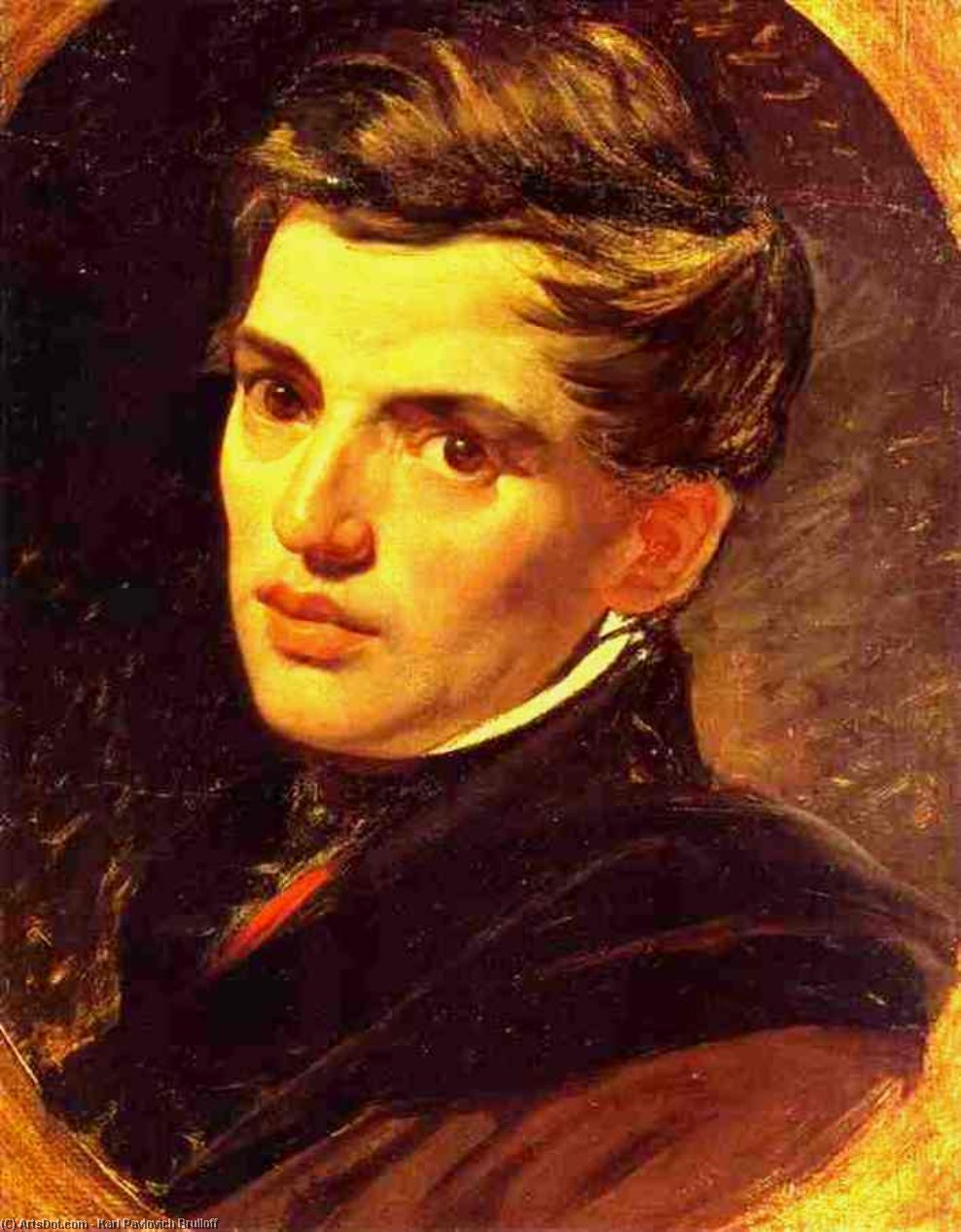
Portrait of Alexander Bruloff.


 Read More
Purchase a high-resolution, enhanced digital image, far superior to the online preview.
Each file is meticulously prepared by our in-house specialists using advanced tools and expert manual retouching. We ensure every image has exceptional clarity, precise color accuracy, and fine detail.
The final file is delivered via email within 72 hours, optimized for immediate use in professional, editorial, and print environments. This is the same quality trusted by top-tier design studios, publishers, and galleries.
Digital Image
Download a high-resolution file for personal display, printing, and creative projects. ( Buy Print Buy Hand Made Painting)
Included in Every Digital Image Order
Expert Digital Delivery, Guaranteed
When you choose ArtsDot.com, you're not just getting an image - you're receiving a professionally enhanced digital artwork, crafted with precision and backed by a satisfaction guarantee. Here's everything that comes with your order, automatically:

Fast Email Delivery
Your high-resolution digital image file will be emailed to you within 72 hours of ordering - ready for immediate use.

AI-Enhanced Digital File
Your artwork is professionally optimized using advanced AI tools and manual editing, ensuring maximum detail, clarity, and color accuracy.

Free Lifetime Re-Delivery
Accidentally deleted or lost your file? No worries - we'll resend it to you anytime, free of charge.

No Import Fees - Ever
Enjoy your artwork instantly with zero customs, duties, or delivery fees - digital downloads are always tax-free.

Color Accuracy Guarantee
We ensure your digital image reflects the original colors as closely as possible using professional tools and color management.

60-Day Satisfaction Guarantee
If you're not satisfied with your digital image, we'll revise it or refund 100% within 60 days - no questions asked.

100% Money-Back Guarantee
Not satisfied? Get a full refund within 60 days of receiving your digital file - no questions asked.

Bulk Order Discounts
Buy 3 images, save 10% - Buy 5, save 15% - Buy 10+, save 20%. Great for creative projects, galleries, and agencies.
A Glimpse into the Soul of Romantic Russia
In the quiet, dignified presence of Karl Pavlovich Brulloff’s 1823 masterpiece, Portrait of Alexander Bruloff, we encounter more than just a likeness; we enter a window into the refined elegance of nineteenth-century Russian high society. As one of the most profound figures of the Romantic era, Brulloff possessed an uncanny ability to transcend mere anatomical accuracy, reaching instead for the psychological depth of his subjects. In this particular portrait, the sitter, Alexander Bruloff, gazes out with a serious, contemplative expression that commands immediate respect. The artist utilizes the rich, velvety textures of oil on canvas to create a sense of profound dimensionality, where every subtle shift in light across the face and every intricate fold of the dark, formal attire speaks to a life of significance and social standing.
The technical mastery displayed in this work is a testament to Brulloff’s rigorous academic training, blended seamlessly with his signature Romantic flair. The way the light catches the contours of Alexander's features creates a lifelike vitality, pulling the viewer into an intimate dialogue with the past. There is a deliberate tension between the stillness of the pose and the emotional weight carried in the eyes—a hallmark of the Russian Romantic movement that sought to find the epic within the individual. For the discerning collector or interior designer, this painting offers a sophisticated focal point, bringing a sense of historical gravity and timeless prestige to any curated space.
Historical Resonance and Aesthetic Elegance
Beyond its aesthetic allure, the Portrait of Alexander Bruloff serves as an invaluable historical document. Created during a period of immense cultural flourishing in Russia, the painting captures the sartorial nuances and social decorum of the 1820s. The meticulous rendering of the clothing—the crispness of the collar and the heavy, somber tones of the suit—reflects the era's emphasis on dignity and restraint. This piece does not merely decorate a room; it narrates a story of an age defined by classical ideals and burgeoning emotional expression.
For those looking to integrate fine art into their homes or professional galleries, a high-quality reproduction of this work offers an unparalleled opportunity to possess a fragment of history. At ArtsDot.com, our hand-painted reproductions are crafted with the utmost reverence for Brullolar's original technique. By using traditional oil on canvas methods, we ensure that the depth, the subtle shadows, and the dramatic emotional impact of the original are preserved in every brushstroke. Whether placed in a grand library or a contemporary study, this portrait serves as an enduring symbol of cultural sophistication and artistic excellence.
Related Artworks

Artist Biography
A Titan of Romanticism: The Life and Legacy of Karl Bryullov
Karl Pavlovich Brulloff, known in the West as Karl Bryullov, stands as a monumental figure in 19th-century Russian art. Born in St. Petersburg in 1799, his artistic journey was one of relentless pursuit of classical ideals interwoven with a distinctly Romantic sensibility. His father, Pavel Bryullov, an accomplished sculptor and academician, recognized Karl’s prodigious talent early on and provided him with a rigorous foundation in the arts. This initial training instilled within young Karl a deep respect for form, anatomy, and the traditions of European masters – a reverence that would remain central to his work throughout his life. However, Bryullov was not merely an imitator; he possessed a unique ability to infuse classical precision with dramatic emotion and narrative power, ultimately forging a style that became synonymous with Russian Romanticism. His early years were marked by diligent study at the Imperial Academy of Arts, where he excelled in historical painting, quickly garnering recognition for his skillful draftsmanship and ambitious compositions. He received numerous awards and scholarships, including one that allowed him to travel extensively throughout Italy between 1822 and 1830 – a period that proved transformative for his artistic development.The Italian Years: A Crucible of Inspiration
Italy served as Bryullov’s artistic awakening. Immersed in the rich cultural heritage of Rome, Florence, and Naples, he meticulously studied the works of Renaissance masters like Raphael, Michelangelo, and Caravaggio. He wasn't simply copying; rather, he absorbed their techniques, compositional strategies, and understanding of light and shadow. This period saw a shift in his subject matter, moving away from purely academic exercises towards more emotionally charged historical scenes and portraits. He became fascinated with the grandeur of ancient civilizations, particularly Pompeii, which had recently been unearthed from volcanic ash. The tragic fate of this city – frozen in time by the eruption of Mount Vesuvius – resonated deeply with Bryullov’s Romantic temperament. This fascination culminated in his most celebrated masterpiece, The Last Day of Pompeii, a colossal canvas that would catapult him to international fame. During these years he also developed a keen eye for portraiture, capturing the likenesses of prominent figures within Russian society who were traveling through Italy. His portraits are not merely representations of physical appearance; they reveal the inner character and psychological state of his sitters with remarkable sensitivity.The Triumph of “Pompeii” and its Aftermath
The Last Day of Pompeii, completed in 1830-1833, is a breathtaking spectacle of human drama set against the backdrop of apocalyptic destruction. The painting depicts the chaotic moments immediately following the eruption of Mount Vesuvius in AD 79, showcasing a multitude of figures caught in various states of terror and despair. Bryullov’s masterful use of light, color, and composition creates an overwhelming sense of realism and emotional intensity. The sheer scale of the work – measuring over six meters in height and four meters wide – is awe-inspiring, drawing viewers into the heart of the catastrophe. Upon its exhibition in Rome and subsequently in St. Petersburg, The Last Day of Pompeii was met with unprecedented acclaim. Bryullov became an overnight sensation, lauded as one of the greatest painters of his time. He was elected to the academies of Florence, Bologna, and San Luca – a testament to his artistic prowess. However, the painting’s immense scale also proved challenging for Russian audiences accustomed to smaller-scale works. Despite its critical success, it didn't immediately translate into widespread popular appeal within Russia. The sheer emotional weight and dramatic intensity were perhaps overwhelming for some viewers.Later Years: A Return to Russia and Continued Innovation
Bryullov returned to Russia in 1834 a celebrated hero, appointed professor at the Academy of Arts and entrusted with significant commissions. He continued to paint historical scenes, portraits, and religious works, but his later output was marked by a growing sense of disillusionment and artistic experimentation. He struggled to reconcile his classical training with the evolving tastes of Russian society, which increasingly favored more realistic and socially conscious art forms. His work The Death of Emperor Maximilian I (1837) demonstrates his continued mastery of historical painting but also reveals a shift towards greater psychological depth and emotional restraint. He also undertook ambitious decorative projects, including the ceiling paintings for St. Isaac’s Cathedral in St. Petersburg – a monumental undertaking that showcased his technical skill and compositional ingenuity. Despite facing criticism from some quarters, Bryullov remained a highly influential figure within the Russian art world, mentoring a new generation of artists and advocating for the importance of classical education. He died prematurely in 1852, leaving behind a legacy as one of Russia’s most important Romantic painters – a titan whose work continues to captivate and inspire audiences today.Historical Significance and Enduring Influence
Karl Bryullov's impact on Russian art is undeniable. He bridged the gap between Neoclassicism and Romanticism, infusing classical precision with dramatic emotion and narrative power. The Last Day of Pompeii, his magnum opus, remains a landmark achievement in 19th-century painting, influencing generations of artists with its scale, realism, and emotional intensity. He elevated the status of historical painting within Russia, demonstrating its potential to explore complex themes of human tragedy and societal upheaval. His portraits are celebrated for their psychological depth and sensitivity, capturing the inner character of his sitters with remarkable accuracy. Bryullov’s emphasis on classical education and meticulous technique helped shape the curriculum of the Imperial Academy of Arts, fostering a new generation of skilled artists. His work also played a crucial role in establishing Russia's reputation as a major center for artistic innovation within Europe.- Influence on Russian Realism: While Bryullov himself was a Romantic painter, his emphasis on realism and historical accuracy paved the way for the development of Russian Realism in the latter half of the 19th century.
- Impact on Portraiture: His sensitive and psychologically insightful portraits set a new standard for portrait painting within Russia, influencing artists such as Ilya Repin and Vasily Perov.
- Legacy in Decorative Arts: His ambitious decorative projects, particularly the ceiling paintings of St. Isaac’s Cathedral, continue to be admired for their technical skill and compositional ingenuity.
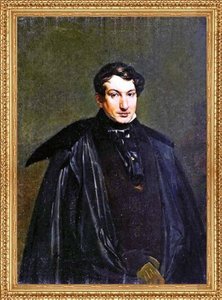
karl pavlovich brulloff
1799 - 1852
Quick Facts
- Artistic Movement Or Style: Romanticism
- Artists Who Influenced This Artist:
- Jean Auguste Dominique Ingres
- Alexei Nikolaevich Ivanov
- Date Of Birth: December 12, 1799
- Date Of Death: June 11, 1852
- Full Name: Karl Pavlovich Bryullov
- Nationality: Russian
- Notable Artworks:
- The Last Day of Pompeii
- Portrait of I.A. Krylov
- Portrait of the Poet and Playwrigh Nestor Kukolnic
- Fountain in Bakhchi-Sarai
- Place Of Birth: St. Petersburg, Russia

