 Preview
 Send
Send Share
Share
 Details

 Download
 Similars
 X-Ray
X-Ray Diaporama
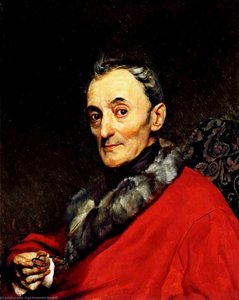
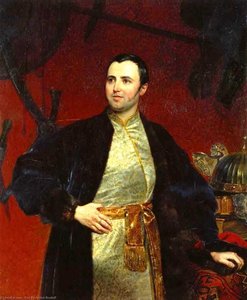
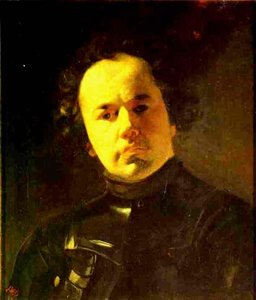
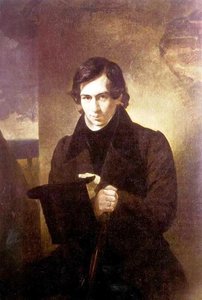
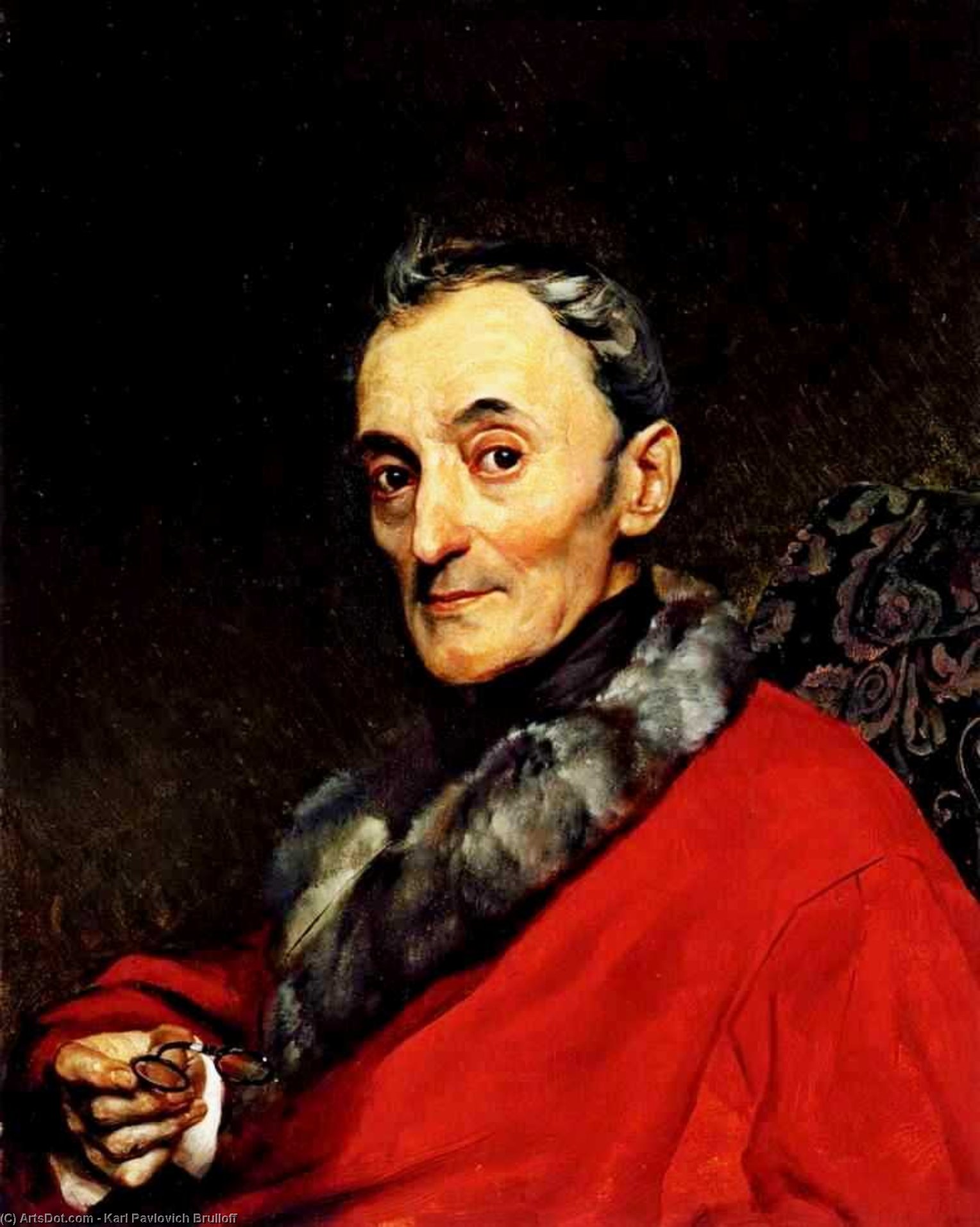
Portrait of the Archeologist Michelangelo Lanci
 Oil On Canvas
- WallArt
- Romanticism
 1851
1851- 19th Century
 61.0 x 49.0 cm
 Tretyakov Gallery
 Read More
Hand Made Oil Reproduction
Hand-painted oil on canvas in your size and frame, made to order by our artists. ( Buy Print Buy Image)




P118B $10

P118H $10

P118W $10

P438Z $10

P508JH $12

P508YH $12

P805H $10

P805Z $10

P919BZ $10

P919G $10

P919XJ $10

P959ZH $10

P968JZ $12

W106C $8

W218G $10

W218JH $8

W218Y $10

W307PJ $10

W316G $10

W316PJ $8

W316Y $10

W398PJ $8

W4111J $10

W500HY $15

W500JH $15

W692G $12

W849H $8

W940BG $15

W953PJ $8




Pick from our preset sizes that match the artwork's original proportions.

You may enter your own dimensions to fit a specific frame or space. If your selected size does not match the original image's proportions, we will either crop the artwork or extend the painting with additional hand-painted elements. A digital mockup will be sent for your approval before production begins.
Please note that the on-screen preview does not reflect the actual cropping or extension. Only the mockup will accurately show the final composition.
While custom sizes are available, we recommend selecting a dimension from the predefined list to preserve the original proportions.
After order, ArtsDot.com team will email client for instructions and provide a mockup preview
Worldwide Delivery () in 3/4 weeks instead of standard 5 weeks. (16 August). No compromise on quality.

Free Worldwide Express Shipping

High-Quality Linen Canvas

Full Shipping Insurance

Customs Tax Refund Guarantee

True Color Matching Guarantee

60-Day Return Policy (Defects Only)

100% Money-Back Guarantee

Bulk Discount Offer
 Glass option is only available in size under 110 CM

Portrait of the Archeologist Michelangelo Lanci
Reproduction Medium
Reproduction Size
-


Total Price
$ 263
Artwork Description
A Glimpse into Intellectual Grandeur: The Portrait of Michelangelo Lanci
To stand before Karl Pavlovich Brulloff's Portrait of the Archeologist Michelangelo Lanci is to step directly into the vibrant, intellectual atmosphere of mid-19th century Russia. This oil on canvas, executed in 1851, transcends a mere likeness; it is a carefully composed meditation on scholarship, refinement, and the enduring allure of history itself. The subject, an archeologist, is captured not just by his physical presence, but by the very weight of knowledge that seems to rest upon him. Brulloff masterfully renders every detail, from the rich texture of the fur-collared red jacket to the subtle intelligence reflected in the sitter's gaze.
Mastery of Technique and Texture
Brulloff’s technical prowess is immediately apparent. The handling of paint suggests a deep understanding of oil medium, allowing him to build layers that give life to fabric and flesh alike. Observe the fur collar; it is rendered with such convincing tactile quality that one almost feels the softness beneath the brushstrokes. Similarly, the depiction of the glasses frames and the subtle contours around Michelangelo Lanci’s eyes speak to an artist who observed human anatomy with both scientific precision and artistic empathy. The composition itself guides the viewer's eye across the seated figure, anchoring him within a richly appointed, yet intimate, setting.
The Romantic Spirit of Scholarship
This painting is deeply rooted in the currents of 19th-century Russian Romanticism, though it grounds its drama in the tangible reality of academia. The archeologist archetype was immensely popular during this era, symbolizing humanity's yearning to uncover lost glories and forgotten civilizations. Brulloff imbues Lanci with an air of thoughtful introspection. His expression is not one of boastful discovery, but rather of quiet contemplation—the look of a mind perpetually engaged in the dialogue between past epochs and the present moment. It speaks to a sophisticated sensibility that values depth over mere spectacle.
A Statement for the Discerning Collector
For the collector or designer whose space echoes an appreciation for history, intellect, and Old World elegance, this portrait offers profound resonance. The rich jewel tones of the jacket contrast beautifully with the muted academic backdrop, providing a focal point that is both dramatic and scholarly. Owning a reproduction of this work allows one to incorporate a piece steeped in the grandeur of Russian art history into a modern interior. It suggests a curated taste—a love for narratives as deep and complex as those unearthed by an archeologist.
Related Artworks
Artist Biography
A Titan of Romanticism: The Life and Legacy of Karl Bryullov
Karl Pavlovich Brulloff, known in the West as Karl Bryullov, stands as a monumental figure in 19th-century Russian art. Born in St. Petersburg in 1799, his artistic journey was one of relentless pursuit of classical ideals interwoven with a distinctly Romantic sensibility. His father, Pavel Bryullov, an accomplished sculptor and academician, recognized Karl’s prodigious talent early on and provided him with a rigorous foundation in the arts. This initial training instilled within young Karl a deep respect for form, anatomy, and the traditions of European masters – a reverence that would remain central to his work throughout his life. However, Bryullov was not merely an imitator; he possessed a unique ability to infuse classical precision with dramatic emotion and narrative power, ultimately forging a style that became synonymous with Russian Romanticism. His early years were marked by diligent study at the Imperial Academy of Arts, where he excelled in historical painting, quickly garnering recognition for his skillful draftsmanship and ambitious compositions. He received numerous awards and scholarships, including one that allowed him to travel extensively throughout Italy between 1822 and 1830 – a period that proved transformative for his artistic development.The Italian Years: A Crucible of Inspiration
Italy served as Bryullov’s artistic awakening. Immersed in the rich cultural heritage of Rome, Florence, and Naples, he meticulously studied the works of Renaissance masters like Raphael, Michelangelo, and Caravaggio. He wasn't simply copying; rather, he absorbed their techniques, compositional strategies, and understanding of light and shadow. This period saw a shift in his subject matter, moving away from purely academic exercises towards more emotionally charged historical scenes and portraits. He became fascinated with the grandeur of ancient civilizations, particularly Pompeii, which had recently been unearthed from volcanic ash. The tragic fate of this city – frozen in time by the eruption of Mount Vesuvius – resonated deeply with Bryullov’s Romantic temperament. This fascination culminated in his most celebrated masterpiece, The Last Day of Pompeii, a colossal canvas that would catapult him to international fame. During these years he also developed a keen eye for portraiture, capturing the likenesses of prominent figures within Russian society who were traveling through Italy. His portraits are not merely representations of physical appearance; they reveal the inner character and psychological state of his sitters with remarkable sensitivity.The Triumph of “Pompeii” and its Aftermath
The Last Day of Pompeii, completed in 1830-1833, is a breathtaking spectacle of human drama set against the backdrop of apocalyptic destruction. The painting depicts the chaotic moments immediately following the eruption of Mount Vesuvius in AD 79, showcasing a multitude of figures caught in various states of terror and despair. Bryullov’s masterful use of light, color, and composition creates an overwhelming sense of realism and emotional intensity. The sheer scale of the work – measuring over six meters in height and four meters wide – is awe-inspiring, drawing viewers into the heart of the catastrophe. Upon its exhibition in Rome and subsequently in St. Petersburg, The Last Day of Pompeii was met with unprecedented acclaim. Bryullov became an overnight sensation, lauded as one of the greatest painters of his time. He was elected to the academies of Florence, Bologna, and San Luca – a testament to his artistic prowess. However, the painting’s immense scale also proved challenging for Russian audiences accustomed to smaller-scale works. Despite its critical success, it didn't immediately translate into widespread popular appeal within Russia. The sheer emotional weight and dramatic intensity were perhaps overwhelming for some viewers.Later Years: A Return to Russia and Continued Innovation
Bryullov returned to Russia in 1834 a celebrated hero, appointed professor at the Academy of Arts and entrusted with significant commissions. He continued to paint historical scenes, portraits, and religious works, but his later output was marked by a growing sense of disillusionment and artistic experimentation. He struggled to reconcile his classical training with the evolving tastes of Russian society, which increasingly favored more realistic and socially conscious art forms. His work The Death of Emperor Maximilian I (1837) demonstrates his continued mastery of historical painting but also reveals a shift towards greater psychological depth and emotional restraint. He also undertook ambitious decorative projects, including the ceiling paintings for St. Isaac’s Cathedral in St. Petersburg – a monumental undertaking that showcased his technical skill and compositional ingenuity. Despite facing criticism from some quarters, Bryullov remained a highly influential figure within the Russian art world, mentoring a new generation of artists and advocating for the importance of classical education. He died prematurely in 1852, leaving behind a legacy as one of Russia’s most important Romantic painters – a titan whose work continues to captivate and inspire audiences today.Historical Significance and Enduring Influence
Karl Bryullov's impact on Russian art is undeniable. He bridged the gap between Neoclassicism and Romanticism, infusing classical precision with dramatic emotion and narrative power. The Last Day of Pompeii, his magnum opus, remains a landmark achievement in 19th-century painting, influencing generations of artists with its scale, realism, and emotional intensity. He elevated the status of historical painting within Russia, demonstrating its potential to explore complex themes of human tragedy and societal upheaval. His portraits are celebrated for their psychological depth and sensitivity, capturing the inner character of his sitters with remarkable accuracy. Bryullov’s emphasis on classical education and meticulous technique helped shape the curriculum of the Imperial Academy of Arts, fostering a new generation of skilled artists. His work also played a crucial role in establishing Russia's reputation as a major center for artistic innovation within Europe.- Influence on Russian Realism: While Bryullov himself was a Romantic painter, his emphasis on realism and historical accuracy paved the way for the development of Russian Realism in the latter half of the 19th century.
- Impact on Portraiture: His sensitive and psychologically insightful portraits set a new standard for portrait painting within Russia, influencing artists such as Ilya Repin and Vasily Perov.
- Legacy in Decorative Arts: His ambitious decorative projects, particularly the ceiling paintings of St. Isaac’s Cathedral, continue to be admired for their technical skill and compositional ingenuity.
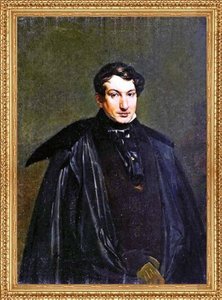
karl pavlovich brulloff
1799 - 1852
Quick Facts
- Artistic Movement Or Style: Romanticism
- Artists Who Influenced This Artist:
- Jean Auguste Dominique Ingres
- Alexei Nikolaevich Ivanov
- Date Of Birth: December 12, 1799
- Date Of Death: June 11, 1852
- Full Name: Karl Pavlovich Bryullov
- Nationality: Russian
- Notable Artworks:
- The Last Day of Pompeii
- Portrait of I.A. Krylov
- Portrait of the Poet and Playwrigh Nestor Kukolnic
- Fountain in Bakhchi-Sarai
- Place Of Birth: St. Petersburg, Russia
Related Articles
Vladimir Makovsky: Realism, Social Commentary & Russian Life in Late 19th-Century Painting
Explore the captivating world of Vladimir Makovsky, a leading Russian realist painter. Discover his insightful depictions of 19th-century life, social commentary & legacy with ArtsDot.

Crimson Threads of Narrative: Exploring Symbolism & Representation in Artworks Featuring the Red Dress
Explore the rich symbolism of the red dress in art history! From ancient power displays to iconic portraits like Cézanne’s 'Madame Cezanne', discover the cultural and artistic significance behind this captivating color. Expert analysis & insights.

19th Century Masterpieces: 10 Paintings That Defined an Era | ArtsDot
Journey through 19th century art with ArtsDot! Explore 10 iconic paintings – from Monet & Renoir to Courbet – and discover the stories behind Romanticism, Realism & Impressionism. Find museum-quality reproductions for your home decor. Explore the full collection online!

The Enduring Legacy of Oil on Canvas: Technique, History & Aesthetic Impact
Explore the rich history & techniques of oil painting – from Renaissance masters to Impressionism. Discover pigments, layering methods, and why this timeless medium endures. Expert insights for artists & art enthusiasts.
Vasily Surikov: Historical Epic & Psychological Realism in 19th-Century Russian Painting
Explore the powerful historical paintings of Vasily Surikov, a leading figure of Russian Realism. Discover his dramatic compositions, psychological depth & lasting influence on 19th-century art. Learn about collecting Surikov's masterpieces.