

 Preview
 Send
Send Share
Share
 Details

 Download
 Similars
 X-Ray
X-Ray Diaporama
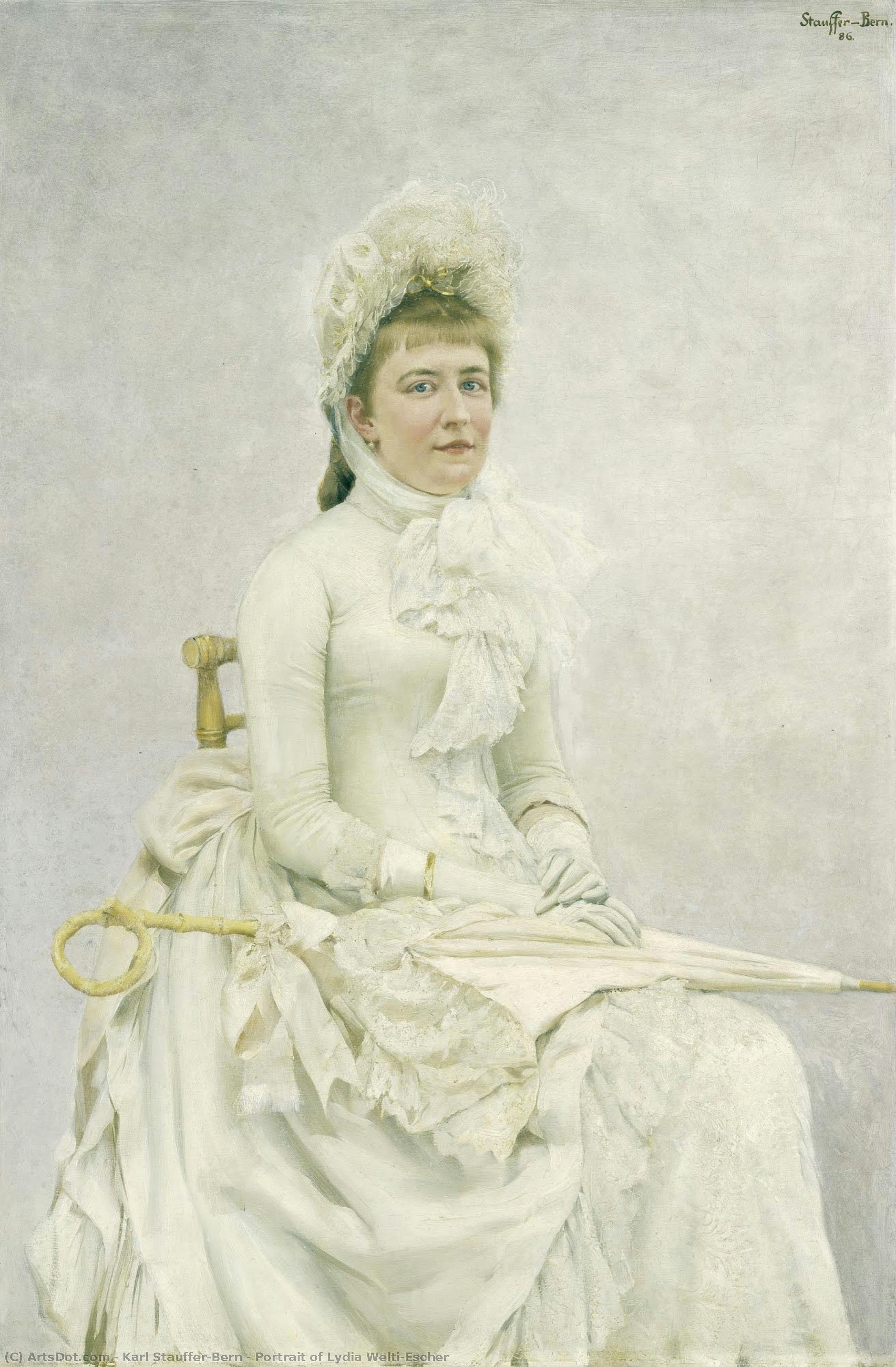
Portrait of Lydia Welti-Escher
 Oil On Canvas
- WallArt
- Victorian Era
 1886
1886- 19th Century
 5.0 x 100.0 cm
 Kunsthaus Zürich
 Read More
Purchase a high-resolution, enhanced digital image, far superior to the online preview.
Each file is meticulously prepared by our in-house specialists using advanced tools and expert manual retouching. We ensure every image has exceptional clarity, precise color accuracy, and fine detail.
The final file is delivered via email within 72 hours, optimized for immediate use in professional, editorial, and print environments. This is the same quality trusted by top-tier design studios, publishers, and galleries.
Digital Image
Download a high-resolution file for personal display, printing, and creative projects. ( Buy Print Buy Hand Made Painting)
Included in Every Digital Image Order
Expert Digital Delivery, Guaranteed
When you choose ArtsDot.com, you're not just getting an image - you're receiving a professionally enhanced digital artwork, crafted with precision and backed by a satisfaction guarantee. Here's everything that comes with your order, automatically:

Fast Email Delivery
Your high-resolution digital image file will be emailed to you within 72 hours of ordering - ready for immediate use.

AI-Enhanced Digital File
Your artwork is professionally optimized using advanced AI tools and manual editing, ensuring maximum detail, clarity, and color accuracy.

Free Lifetime Re-Delivery
Accidentally deleted or lost your file? No worries - we'll resend it to you anytime, free of charge.

No Import Fees - Ever
Enjoy your artwork instantly with zero customs, duties, or delivery fees - digital downloads are always tax-free.

Color Accuracy Guarantee
We ensure your digital image reflects the original colors as closely as possible using professional tools and color management.

60-Day Satisfaction Guarantee
If you're not satisfied with your digital image, we'll revise it or refund 100% within 60 days - no questions asked.

100% Money-Back Guarantee
Not satisfied? Get a full refund within 60 days of receiving your digital file - no questions asked.

Bulk Order Discounts
Buy 3 images, save 10% - Buy 5, save 15% - Buy 10+, save 20%. Great for creative projects, galleries, and agencies.
Collectible Description
A Glimpse into Late Victorian Elegance
This captivating portrait, "Portrait of Lydia Welti-Escher," transports us directly to the refined atmosphere of late 19th-century Zurich. Painted by Karl Stauffer-Bern in 1886, the work captures not merely a likeness, but an entire moment steeped in upper-middle-class grace and societal expectation. The subject, Lydia Welti-Escher, is presented with an air of serene composure. She is adorned in a pristine white dress, its delicate lace collar speaking volumes about the fashion sensibilities and material comforts of her time. Her posture, seemingly relaxed yet perfectly composed as she sits while holding both an umbrella and a parasol, suggests a life lived under careful consideration—a beautiful tableau vivant preserved on canvas.
Mastery in White: Technique and Light
What immediately draws the eye is the remarkable handling of light and color. The description notes that this piece was painted "white in white," a technique highly appreciated during Stauffer-Bern's time. This choice elevates the portrait beyond simple representation; it becomes an exercise in luminosity. The artist utilized subtle gradations of tone, allowing the texture of the lace, the sheen of the fabric, and the soft shadows to interact with the ambient light. For collectors or those seeking a reproduction for their interior design, understanding this technique is key—it speaks to a period where technical virtuosity was paramount, creating an ethereal glow that seems to emanate from within the painting itself.
The Context of Portraiture and Society
Beyond the brushstrokes lies a rich tapestry of social history. Lydia Welti-Escher’s life intersected with prominent figures in Swiss society, lending this portrait an air of documented significance. The narrative surrounding its creation—the subsequent drama following her marriage and her establishment of the Gottfried Keller Foundation—adds layers of poignant backstory to the canvas. Owning or displaying such a piece is not just acquiring art; it is curating a connection to a specific stratum of historical life, one marked by both public visibility and private emotional currents.
Symbolism of the Accessories
The objects Lydia holds are imbued with subtle symbolism. The parasol, traditionally associated with protection from the sun, often carries connotations of feminine delicacy and status. Paired with the umbrella—a more utilitarian object—the pairing suggests a duality: the outward presentation versus the necessary preparedness for life's unpredictable elements. These carefully chosen props anchor the portrait in a tangible reality while simultaneously elevating it to an allegory of poised femininity navigating the complexities of Victorian society.
An Enduring Emotional Resonance
Ultimately, "Portrait of Lydia Welti-Escher" resonates with a quiet dignity. It invites the viewer into a moment of contemplation, asking us to look past the historical details and connect with the enduring human themes of grace, resilience, and beauty. Whether displayed in a formal drawing-room or as a focal point in a modern gallery setting, this reproduction offers not just decoration, but a sophisticated narrative anchor—a whisper from 1886 that speaks eloquently of timeless elegance.
Related Artworks



Artist Biography
Stanhope Alexander Forbes: A Cornish Visionary of the Late Victorian Era
Born in Dublin in 1857, Stanhope Alexander Forbes’s artistic journey was a testament to perseverance and a deep connection to the natural world. His early life, marked by a move to England and an education nurtured by his art-enthusiastic father, laid the foundation for a career that would ultimately establish him as one of the leading landscape painters of the late Victorian era, particularly within the vibrant Cornish art colony. Forbes’s work is characterized by a remarkable blend of realism and romanticism, capturing not just the outward appearance of the coastal landscapes but also imbuing them with an emotional resonance—a sense of solitude, contemplation, and the sublime power of nature.
Forbes's artistic training began at Dulwich College, where his talent for drawing was recognized. He then enrolled in the Royal Academy Schools in London, benefiting from the tutelage of influential figures like Frederic Leighton and Lawrence Alma-Tadema. However, it was a pivotal move to France in 1878 that truly shaped his artistic development. Spending two years at Leon Bonnat’s atelier in Clichy, Paris, exposed him to the tenets of French plein-air painting—a technique emphasizing direct observation and capturing the fleeting effects of light and atmosphere. This experience profoundly influenced his approach to landscape painting, encouraging a heightened sensitivity to color, texture, and the dynamic interplay of light on the Cornish coast.
Upon returning to England, Forbes established himself in Newlyn, Cornwall – a region that had become a magnet for artists seeking inspiration from its dramatic coastline. This location proved crucial to his artistic evolution. He immersed himself in the local art community, forging friendships with fellow painters and engaging with the burgeoning Cornish art movement. His studio became a hub of creative exchange, fostering experimentation and pushing the boundaries of traditional landscape painting. Forbes’s work during this period is particularly notable for its evocative depictions of fishing boats, rugged cliffs, and the ever-changing moods of the sea – scenes that resonated deeply with his own contemplative nature.
The Cornish Influence: Light, Color, and Subject Matter
Cornwall provided Forbes with an unparalleled environment for artistic exploration. The region’s dramatic coastline—characterized by towering granite cliffs, secluded coves, and expansive beaches—offered a constant source of visual stimulation. More importantly, the light in Cornwall was exceptionally unique, shifting dramatically throughout the day and year. Forbes meticulously studied these variations, striving to capture their subtle nuances on canvas. His use of color became increasingly vibrant and expressive, reflecting the intensity of the Cornish light.
Furthermore, Forbes’s subject matter—the everyday lives of fishermen, farmers, and rural communities—provided a powerful counterpoint to the idealized landscapes often depicted by his contemporaries. He wasn't interested in grand vistas or heroic narratives; instead, he focused on capturing the quiet dignity and resilience of ordinary people within their natural surroundings. This commitment to realism, combined with his artistic sensibility, resulted in paintings that were both visually stunning and emotionally resonant.
Technique and Style: A Balance of Realism and Romanticism
Forbes’s technique was characterized by a remarkable blend of realism and romanticism. He meticulously observed the details of his subjects—the texture of weathered stone, the ripples on the water's surface, the folds in fishermen’s clothing—rendering them with astonishing accuracy. However, he also employed expressive brushwork and a rich palette to convey mood and atmosphere. His paintings are not simply representations of reality; they are imbued with a sense of feeling—a palpable connection between the artist and his subject.
His compositions often feature strong diagonals and asymmetrical arrangements, creating a dynamic visual tension that draws the viewer’s eye across the canvas. Forbes skillfully used light and shadow to sculpt forms and create depth, while his color choices were both realistic and emotionally charged. He was particularly adept at capturing the effects of atmospheric perspective—the subtle blurring of distant objects—which added a sense of vastness and mystery to his landscapes.
Legacy and Recognition
Despite facing considerable challenges throughout his career, Stanhope Alexander Forbes achieved widespread recognition for his contributions to British landscape painting. He exhibited regularly at the Royal Academy in London from 1878 until his death in 1947, solidifying his place as a leading figure in the art world. His work was also featured in exhibitions across Britain and abroad, including the New Gallery in London and the St. Ives Arts Club.
Forbes’s legacy extends beyond his individual paintings. He played a significant role in fostering the Cornish art colony, encouraging other artists to embrace the region's unique landscape and culture. His dedication to realism, combined with his artistic sensitivity and profound connection to nature, continues to inspire artists today. Stanhope Alexander Forbes remains a vital figure in British art history—a testament to the power of observation, imagination, and the enduring beauty of the Cornish coast.
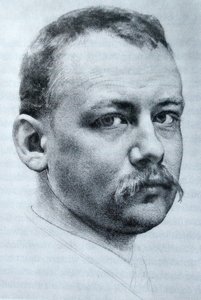
karl stauffer-bern
1857 - 1891 , Switzerland
Quick Facts
- Artistic Movement Or Style: Romanticism
- Artists Or Movements Influenced By This Artist: ['None listed']
- Artists Who Influenced This Artist: ['Alexander Sergeyevich Stroganov']
- Date Of Birth: March 30, 1776
- Date Of Death: May 16, 1857
- Full Name: Vasily Andreevich Tropinin
- Nationality: Russian
- Notable Artworks:
- The Lace Maker
- The Gold-Embroideress
- Place Of Birth: Korpovo, Novgorod Governorate

