

 Preview
 Send
Send Share
Share
 Details

 Download
 Similars
 X-Ray
X-Ray Diaporama
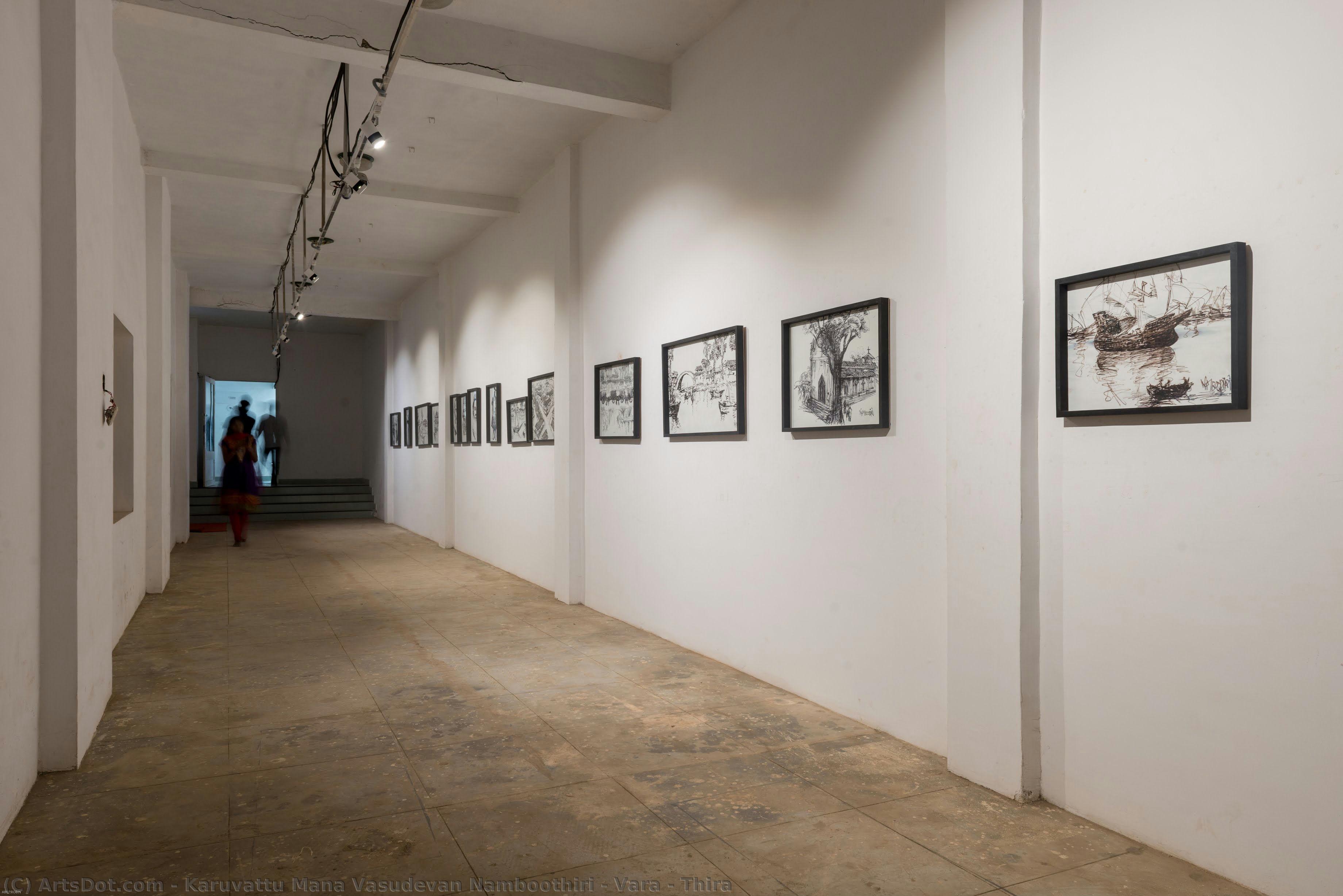
Vara / Thira


 Read More
Purchase a high-resolution, enhanced digital image, far superior to the online preview.
Each file is meticulously prepared by our in-house specialists using advanced tools and expert manual retouching. We ensure every image has exceptional clarity, precise color accuracy, and fine detail.
The final file is delivered via email within 72 hours, optimized for immediate use in professional, editorial, and print environments. This is the same quality trusted by top-tier design studios, publishers, and galleries.
Digital Image
Download a high-resolution file for personal display, printing, and creative projects. ( Buy Print Buy Hand Made Painting)
Included in Every Digital Image Order
Expert Digital Delivery, Guaranteed
When you choose ArtsDot.com, you're not just getting an image - you're receiving a professionally enhanced digital artwork, crafted with precision and backed by a satisfaction guarantee. Here's everything that comes with your order, automatically:

Fast Email Delivery
Your high-resolution digital image file will be emailed to you within 72 hours of ordering - ready for immediate use.

AI-Enhanced Digital File
Your artwork is professionally optimized using advanced AI tools and manual editing, ensuring maximum detail, clarity, and color accuracy.

Free Lifetime Re-Delivery
Accidentally deleted or lost your file? No worries - we'll resend it to you anytime, free of charge.

No Import Fees - Ever
Enjoy your artwork instantly with zero customs, duties, or delivery fees - digital downloads are always tax-free.

Color Accuracy Guarantee
We ensure your digital image reflects the original colors as closely as possible using professional tools and color management.

60-Day Satisfaction Guarantee
If you're not satisfied with your digital image, we'll revise it or refund 100% within 60 days - no questions asked.

100% Money-Back Guarantee
Not satisfied? Get a full refund within 60 days of receiving your digital file - no questions asked.

Bulk Order Discounts
Buy 3 images, save 10% - Buy 5, save 15% - Buy 10+, save 20%. Great for creative projects, galleries, and agencies.
Collectible Description
Captivating Subject and Scene
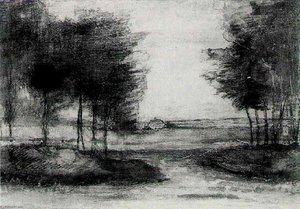
This artwork masterfully captures a tranquil sunset scene, where soft blends of pink, orange, purple, and gold evoke a sense of serenity and fleeting beauty. The composition invites viewers to reflect on the ephemeral nature of light and time, emphasizing the quiet majesty of a sunset over a natural landscape. The scene’s simplicity and subtle details evoke a contemplative mood, encouraging an emotional connection with the transient moments of everyday life.Elegant Style and Technique
Created with a minimalist approach, this piece employs delicate line work and restrained color palettes to emphasize form and mood. The artist’s technique suggests traditional ink or charcoal drawing on paper, showcasing precise lines and careful shading that bring depth and texture to the scene. The monochromatic sketches within the artwork highlight the artist’s mastery of contrast, capturing intricate architectural and natural elements with clarity and finesse. The restrained use of color enhances the timeless quality of the piece, making it a versatile addition to any interior.Historical and Cultural Context
While the exact date of creation remains unknown, the style and technique reflect a deep-rooted tradition of Indian line drawing and landscape depiction. The artist, karuvattu mana vasudevan namboothiri, was renowned for his evocative illustrations that often explored themes of nature, architecture, and cultural identity. His work is celebrated for its ability to blend traditional Indian artistic sensibilities with modern minimalism, creating a bridge between past and present. This piece embodies the artist’s dedication to capturing the essence of place and memory through simple yet profound visual language.Symbolism and Emotional Resonance
The sunset’s radiant hues symbolize transition, hope, and the fleeting nature of beauty. The scene’s calm and contemplative atmosphere invites viewers to pause and reflect on their own moments of serenity and introspection. The minimalist style emphasizes the emotional power of simplicity, allowing the viewer to find meaning in the subtle interplay of light, shadow, and form. This artwork resonates deeply, evoking feelings of peace, nostalgia, and appreciation for the quiet moments that define our lives.A Perfect Addition for Collectors and Interiors
Ideal for art lovers, collectors, and interior designers, this high-quality reproduction offers a timeless aesthetic that complements a variety of decor styles—from modern minimalism to classic elegance. Its understated beauty makes it suitable for personal spaces, galleries, or corporate environments seeking a touch of serenity and sophistication. Whether displayed as a focal point or part of a curated collection, this piece promises to inspire and elevate any setting with its subtle grace and profound storytelling.Related Artworks
Artist Biography
Robert Rauschenberg: A Pioneer of Chance and Collage
Robert Rauschenberg, born in Port Arthur, Texas, on October 22, 1925, to a fundamentalist Christian family, emerged as one of the most influential figures in mid-20th century American art. His career spanned nearly six decades, marked by an audacious exploration of materials and processes that fundamentally challenged traditional notions of painting and sculpture. Initially influenced by Surrealism and Abstract Expressionism, Rauschenberg ultimately forged his own distinctive path, pioneering the “Combine” paintings – a revolutionary approach that blurred the boundaries between genres and embraced the unexpected. His work wasn’t simply about creating beautiful images; it was an investigation into the very nature of art itself, questioning its definition and inviting viewers to engage with the process as much as the product.Early Influences and Artistic Development
Rauschenberg's early artistic education was unconventional. He attended Northwestern University briefly before serving in the Navy during World War II, experiences that profoundly shaped his perspective. Following the war, he enrolled at the University of Texas at Austin, studying English, History, and Philosophy – subjects that would later inform his conceptual approach to art. It was while working as a commercial artist in Dallas that Rauschenberg began experimenting with collage techniques, incorporating found objects and everyday materials into his work. This nascent interest in assemblage laid the groundwork for his groundbreaking Combines. Crucially, he studied under Josef Albers at Black Mountain College (1950-1953), an environment renowned for its experimental approach to art education, where he was exposed to Albers’ teachings on color theory and perception – principles that would become integral to his later work. The influence of Abstract Expressionism is evident in the scale and gestural quality of some early paintings, but Rauschenberg quickly moved beyond mere imitation, seeking a more dynamic and layered approach.The Rise of the Combines: A New Artistic Language
Rauschenberg’s breakthrough came with the introduction of the “Combines” in 1954-1964. These works represented a radical departure from traditional painting, incorporating elements such as photographs, textiles, newspaper clippings, and industrial materials directly into the canvas. The most famous examples, like *Monogram* (1955) – a combination of a painted surface and a tire – exemplify this hybrid approach. Rauschenberg deliberately avoided a single, unified style, allowing each Combine to develop organically based on the juxtaposition of its constituent elements. He described his process as “intuitive,” emphasizing chance and serendipity in the selection and arrangement of materials. This embrace of accident was not simply random; it was carefully orchestrated, reflecting a deep understanding of composition and visual relationships. The Combines were not merely paintings or sculptures; they were complex systems that invited multiple interpretations and challenged viewers to actively engage with the artwork’s layered meanings.Beyond the Combine: Expanding Artistic Horizons
While the Combines remain Rauschenberg's most iconic achievement, his artistic practice extended far beyond this single category. He continued to experiment with various media throughout his career, including photography, printmaking, and performance art. His work during the 1960s explored themes of popular culture, consumerism, and social commentary, often incorporating elements of Pop Art while maintaining a distinctly personal aesthetic. He collaborated extensively with artists like John Cage on musical performances and visual projects, further blurring the boundaries between disciplines. Later in his career, Rauschenberg focused on more intimate and reflective works, exploring themes of memory, loss, and mortality. His final major project, *Proximity* (1984-1986), involved creating a series of paintings based on photographs of his wife, Susan Bell, demonstrating a shift towards a quieter, more personal expression.Legacy and Historical Significance
Robert Rauschenberg’s impact on the art world is undeniable. He fundamentally altered the definition of painting and sculpture, paving the way for subsequent generations of artists who embraced collage, assemblage, and mixed media. His embrace of chance and his willingness to challenge conventional artistic practices established a precedent for conceptual art and performance art. Rauschenberg was awarded numerous accolades throughout his career, including the National Medal of Arts in 1993 and the Leonardo da Vinci World Award of Arts in 1995. He died on May 12, 2008, leaving behind a vast and complex body of work that continues to inspire and provoke debate. His legacy lies not only in his individual achievements but also in his pioneering spirit – a relentless pursuit of innovation and a profound belief in the transformative power of art.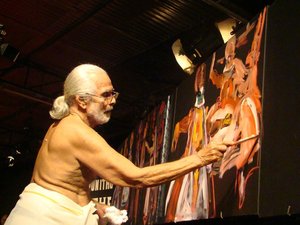
karuvattu mana vasudevan namboothiri
1925 - 2023 , India
Quick Facts
- Artistic Movement Or Style:
- Assemblage
- Combine painting
- Neo-Dada
- Abstract expressionism
- Pop art
- Artists Or Movements Influenced By This Artist:
- Pop Art
- Neo-Dada
- Artists Who Influenced This Artist:
- Picasso
- Pollock
- Marcel Duchamp
- Date Of Birth: October 22, 1925
- Date Of Death: May 12, 2008
- Full Name: Robert Rauschenberg
- Nationality: American
- Notable Artworks:
- Canyon
- Monogram
- Rauschenberg Cards
- Place Of Birth: Port Arthur, Texas, USA

