 Preview
 Send
Send Share
Share
 Details

 Download
 Similars
 X-Ray
X-Ray Diaporama
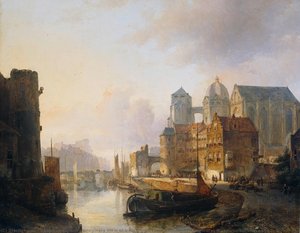
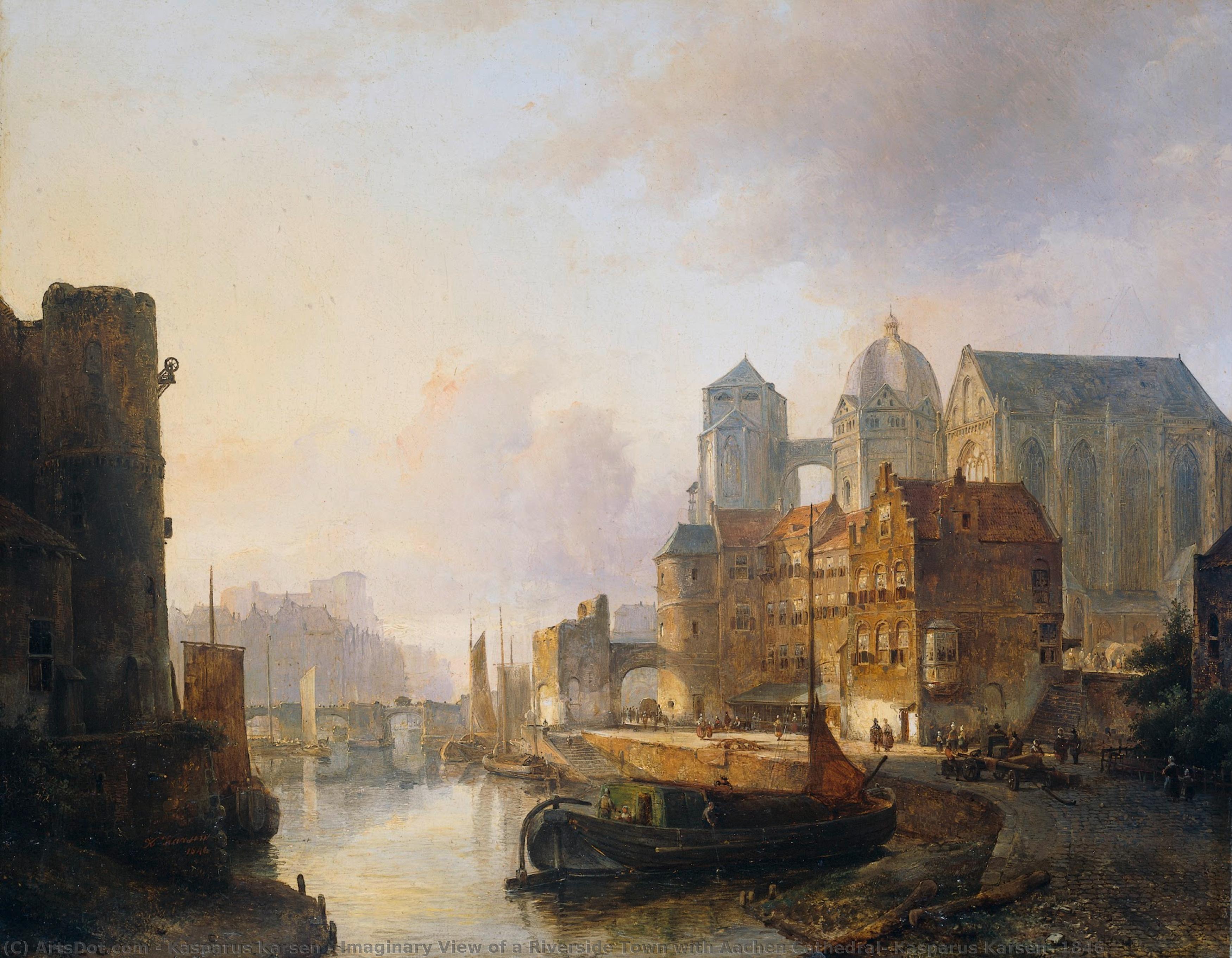
Imaginary View of a Riverside Town with Aachen Cathedral, Kasparus Karsen, 1846
 1846
1846 41.0 x 51.0 cm
 Read More
Giclée / Art Print
Museum-quality giclée or canvas print with fast production and flexible finish options. ( Buy Hand Made Painting Buy Image)




































Pick from our preset sizes that match the artwork's original proportions.

You may enter your own dimensions to fit a specific frame or space. If your selected size does not match the original image's proportions, we will either crop the artwork or extend the image with a mirrored or solid-fill edge. A digital mockup will be sent for your approval before production begins.
Please note that the on-screen preview does not reflect the actual cropping or extension. Only the mockup will accurately show the final composition.
While custom sizes are available, we recommend selecting a dimension from the predefined list to preserve the original proportions.
Worldwide Delivery () in 2 weeks instead of standard 4/5 weeks. (26 August)

Free Worldwide Express Shipping

High-Quality Linen Canvas

Full Shipping Insurance

Customs Tax Refund Guarantee

True Color Matching Guarantee

60-Day Return Policy (Defects Only)

100% Money-Back Guarantee

Bulk Discount Offer
 Glass option is only available in size under 110 CM

Imaginary View of a Riverside Town with Aachen Cathedral, Kasparus Karsen, 1846
Giclée / Art Print
Reproduction Size
-


Total Price
$ 63
Collectible Description
Related Artworks






Artist Biography
A Master of Dutch Townscapes: The Life and Art of Kaspar Karsen
Kaspar, or Kasparus Karsen, born in Amsterdam on April 2nd, 1810, and passing away in Biebrich near Wiesbaden in 1896, occupies a significant yet often understated position within the pantheon of 19th-century Dutch landscape painters. He wasn’t a revolutionary figure shattering conventions; rather, he was a meticulous observer, a skilled craftsman who dedicated his life to capturing the essence of urban and riverine scenes with remarkable precision and atmospheric sensitivity. Karsen's work embodies a quiet elegance, reflecting the burgeoning prosperity and changing face of the Netherlands during his lifetime. His paintings offer not just depictions of places, but glimpses into a way of life—the bustling commerce, the serene canals, and the architectural grandeur that defined the Dutch Golden Age’s legacy.Early Training and Artistic Development
Karsen's artistic journey began with formal instruction under several respected masters. He first studied with Hendrik Gerrit ten Cate, followed by Dirck Vettewinkel, and then George Pieter Westenberg – a lineage of artists who instilled in him a strong foundation in traditional techniques. Westenberg, notably, also mentored Cornelis Springer, highlighting the interconnectedness of the Dutch art world during this period. This early training focused on developing observational skills, precise draftsmanship, and an understanding of light and shadow—qualities that would become hallmarks of Karsen’s style. In 1836, he joined Arti et Amicitiae, a prestigious society for artists in Amsterdam, signifying his acceptance into the established art community. This membership opened doors to exhibitions and commissions, allowing him to refine his skills and build a reputation. Crucially, Karsen wasn't confined to the studio; he actively sought inspiration through travel, undertaking journeys to Prague and various regions of Germany, broadening his artistic horizons and exposing him to diverse architectural styles and landscapes.The Essence of Dutch Townscapes
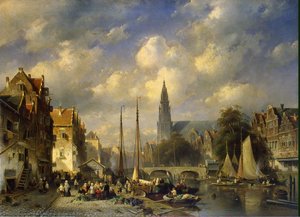
Karsen’s specialization lay in townscapes—detailed renderings of cities, canals, and river views. He possessed an exceptional ability to capture the interplay of light on water, the texture of brickwork, and the bustling energy of urban life. Unlike some of his contemporaries who focused on dramatic or romanticized scenes, Karsen favored a more realistic approach. His paintings are characterized by their clarity, precision, and subtle atmospheric effects. Works like *The Amsterdam stock exchange before its demolition in 1837* (1836) demonstrate not only his technical skill but also a sense of historical documentation. He wasn’t merely painting what he saw; he was preserving a moment in time, capturing the changing fabric of Amsterdam itself. Later works such as *Een Winterdag-Windhaven* (1870) and *Ice Skaters on the Canal* (1880) showcase his mastery of winter light and the lively scenes of everyday life unfolding on frozen waterways. His collaborative piece with Cornelis Springer, *View on the Hague, 17th Century* (1852), exemplifies his ability to work alongside other artists while maintaining a distinct stylistic voice.A Legacy of Mentorship and Quiet Influence
Beyond his own prolific output, Karsen played an important role as a teacher. He nurtured the talents of several aspiring artists, including Johannes Frederik Hulk, his son Eduard Karsen, Henricus Jacobus Levelt, Coen Metzelaar, Henry Mosselman, and Alexander Oltmans. This dedication to mentorship underscores his commitment to preserving and passing on traditional artistic techniques. While he may not be as widely celebrated as some of the more flamboyant figures of the 19th century, Karsen’s influence is evident in the work of his pupils and in the continued appreciation for his meticulously crafted townscapes. He represents a vital link between the Dutch Golden Age tradition of landscape painting and the evolving artistic sensibilities of the later 19th century. His paintings continue to be admired for their technical brilliance, atmospheric depth, and evocative portrayal of a bygone era—a testament to the enduring power of quiet observation and skillful execution.Historical Significance and Enduring Appeal
Kaspar Karsen’s work provides valuable insight into the social and architectural landscape of 19th-century Netherlands. His paintings are not simply aesthetic objects; they are historical documents, offering a glimpse into the daily life, commerce, and urban development of the period. His dedication to realism, combined with his subtle use of light and atmosphere, sets him apart from many of his contemporaries. He captured the essence of Dutch identity—a sense of order, prosperity, and connection to the waterways that shaped the nation’s history. Today, Karsen's paintings are held in private collections and museums worldwide, continuing to captivate audiences with their timeless beauty and historical significance. His legacy lies not in grand innovation but in the quiet perfection of his craft—a testament to the enduring power of observation, skill, and a deep love for the Dutch landscape.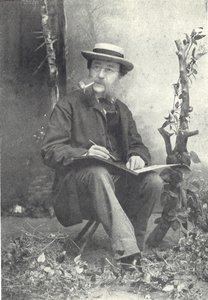
kasparus karsen
1810 - 1896 , Netherlands
Quick Facts
- Artistic Movement Or Style: Townscapes
- Artists Or Movements Influenced By This Artist: ['Cornelis Springer']
- Artists Who Influenced This Artist:
- Hendrik ten Cate
- Dirck Vettewinkel
- Date Of Birth: April 2, 1810
- Date Of Death: July 24, 1896
- Full Name: Kasparus Karsen
- Nationality: Dutch
- Notable Artworks:
- Rhine Fantasy
- Ice Skaters on Canal
- Place Of Birth: Amsterdam, Netherlands