 Preview
 Send
Send Share
Share
 Details

 Download
 Similars
 X-Ray
X-Ray Diaporama
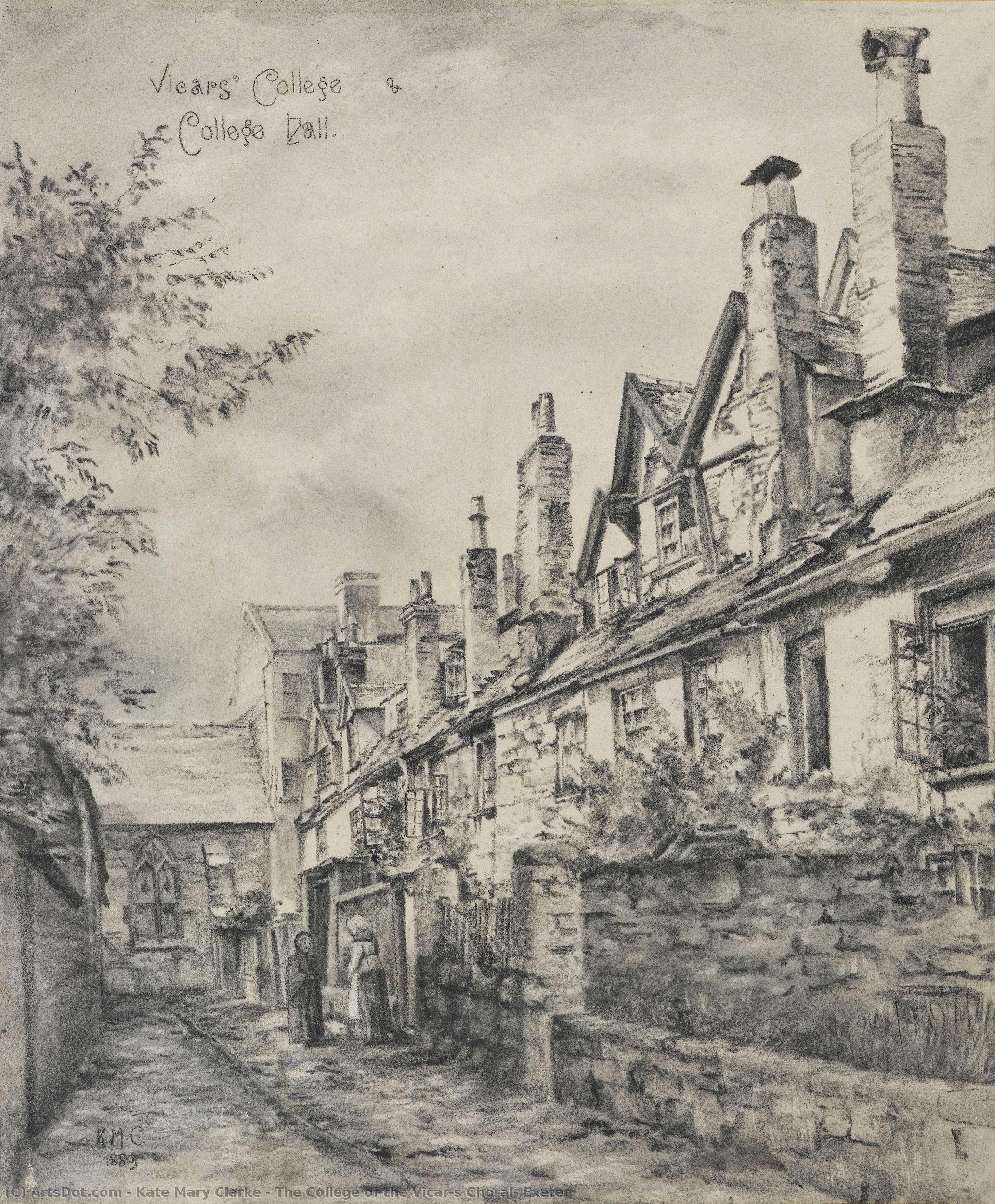
The College of the Vicar’s Choral, Exeter


 Read More
Hand Made Oil Reproduction
Hand-painted oil on canvas in your size and frame, made to order by our artists. ( Buy Print Buy Image)




































Pick from our preset sizes that match the artwork's original proportions.

You may enter your own dimensions to fit a specific frame or space. If your selected size does not match the original image's proportions, we will either crop the artwork or extend the painting with additional hand-painted elements. A digital mockup will be sent for your approval before production begins.
Please note that the on-screen preview does not reflect the actual cropping or extension. Only the mockup will accurately show the final composition.
While custom sizes are available, we recommend selecting a dimension from the predefined list to preserve the original proportions.
After order, ArtsDot.com team will email client for instructions and provide a mockup preview
Worldwide Delivery () in 3/4 weeks instead of standard 5 weeks. (31 August). No compromise on quality.

Free Worldwide Express Shipping

High-Quality Linen Canvas

Full Shipping Insurance

Customs Tax Refund Guarantee

True Color Matching Guarantee

60-Day Return Policy (Defects Only)

100% Money-Back Guarantee

Bulk Discount Offer
 Glass option is only available in size under 110 CM

The College of the Vicar’s Choral, Exeter
Reproduction Medium
Reproduction Size
-


Total Price
$ 263
Related Artworks




Artist Biography
The Architectural Vision of Kate Mary Clarke
In the quiet, storied streets of Exeter, England, a profound artistic legacy began to take shape through the hands of Kate Mary Clarke (1863–1935). A singular figure within the Victorian era, Clarke carved out a niche that was as much about structural precision as it was about emotional resonance. While many of her contemporaries sought the fleeting beauty of landscapes or the soft intimacy of portraiture, Clarke turned her gaze toward the enduring permanence of stone and mortar. Her life’s work became a silent dialogue with the architecture of her homeland, capturing the skeletal majesty of historical structures through the delicate yet powerful medium of charcoal.
The essence of Clarke’s artistry lay in her ability to breathe life into inanimate facades. To look upon her drawings is to witness a deep, meditative connection between the artist and the subject. She possessed an unwavering dedication to capturing the very soul of buildings, translating the weight of medieval masonry and the intricate carvings of Gothic arches into a language of light and shadow. This pursuit of architectural truth cemented her reputation as one of the era’s most skilled observers of form, allowing her to document the grandeur of the past with a level of detail that feels almost tactile.
A Mastery of Shadow and Form
Though much of the biographical record regarding Clarke's formal training remains shrouded in the mists of time, there is a compelling narrative of self-reliance in her development. It is suggested that she honed her formidable skills largely through independent study, a testament to an innate talent for observation that required little external direction. This spirit of artistic innovation allowed her to develop a style that was uniquely hers—one that bypassed the decorative flourishes of the period in favor of a rigorous, almost scientific commitment to structural accuracy.
Her choice of medium, charcoal, was central to her expressive power. Unlike the fluid permanence of oil, charcoal offered Clarke the ability to manipulate gradients of darkness, creating deep, velvety shadows that gave her architectural subjects a sense of immense volume and weight. Through the careful application of carbon on paper, she mastered the interplay between light and void, making the stone appear both solid and ethereal. This technique allowed her to explore:
- The dramatic interplay of sunlight hitting cathedral buttresses.
- The intricate textures of weathered stone and ancient carvings.
- The atmospheric depth found within shadowed cloisters and archways.
The Legacy of the Vicar’s Choral
The pinnacle of Clarke’s career is undoubtedly her 1889 masterpiece, “The College of the Vicar’s Choral, Exeter.” This monumental charcoal drawing serves as a definitive statement of her artistic identity. In this work, the cathedral's architecture is not merely depicted; it is celebrated. The drawing captures the breathtaking scale and historical gravity of the site, showcasing her ability to manage complex compositions where every line contributes to a sense of overwhelming grandeur. It remains one of the most significant examples of Victorian architectural drawing, standing as a bridge between the meticulous documentation of the past and the expressive fine art of the nineteenth century.
As we reflect on the life of Kate Mary Clarke, we see an artist who found beauty in the structural bones of history. Her work transcends simple illustration, offering instead a profound meditation on permanence and the passage of time. Through her eyes, the silent stones of Exeter were given a voice, ensuring that the architectural splendor of her era would be preserved with both scientific precision and poetic grace.
kate mary clarke
1863 - 1935 , United Kingdom
Quick Facts
- Artistic Movement Or Style: Victorian Art; Charcoal Drawings
- Artists Or Movements Influenced By This Artist: ['Amanda Jane Beck']
- Artists Who Influenced This Artist:
- Robert Longo
- Odilon Redon
- Date Of Birth: 1863
- Full Name: Kate Mary Clarke
- Nationality: British
- Notable Artworks: ['The College of the Vicar’s Choral, Exeter']
- Place Of Birth: Exeter, United Kingdom