

 Send
Send Share
Share
 Details

 Download
 Similars
 Diaporama
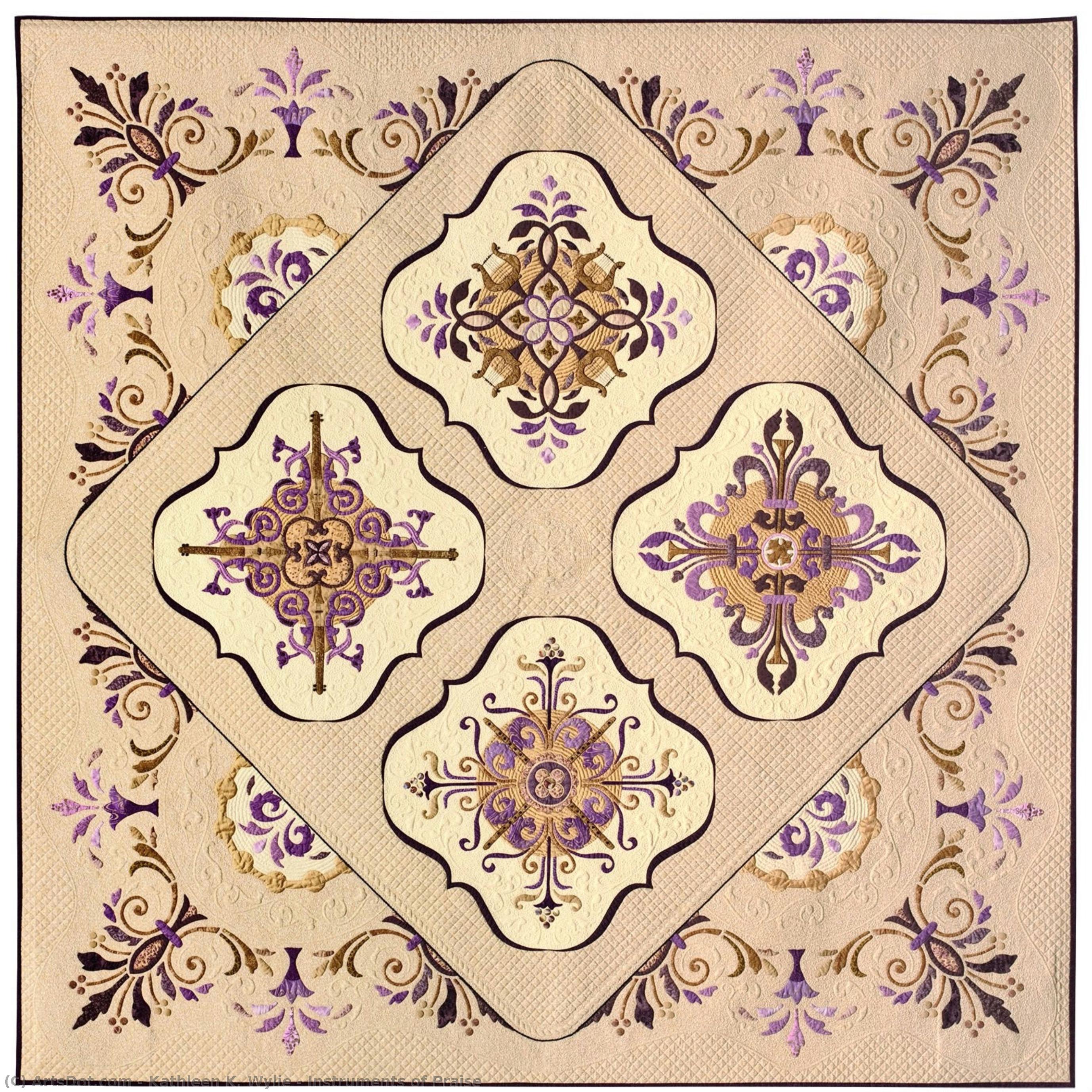
Instruments of Praise


 Read More
Purchase a high-resolution, enhanced digital image, far superior to the online preview.
Each file is meticulously prepared by our in-house specialists using advanced tools and expert manual retouching. We ensure every image has exceptional clarity, precise color accuracy, and fine detail.
The final file is delivered via email within 72 hours, optimized for immediate use in professional, editorial, and print environments. This is the same quality trusted by top-tier design studios, publishers, and galleries.
Digital Image
Download a high-resolution file for personal display, printing, and creative projects. ( Buy Print Buy Hand Made Painting)
Included in Every Digital Image Order
Expert Digital Delivery, Guaranteed
When you choose ArtsDot.com, you're not just getting an image - you're receiving a professionally enhanced digital artwork, crafted with precision and backed by a satisfaction guarantee. Here's everything that comes with your order, automatically:

Fast Email Delivery
Your high-resolution digital image file will be emailed to you within 72 hours of ordering - ready for immediate use.

AI-Enhanced Digital File
Your artwork is professionally optimized using advanced AI tools and manual editing, ensuring maximum detail, clarity, and color accuracy.

Free Lifetime Re-Delivery
Accidentally deleted or lost your file? No worries - we'll resend it to you anytime, free of charge.

No Import Fees - Ever
Enjoy your artwork instantly with zero customs, duties, or delivery fees - digital downloads are always tax-free.

Color Accuracy Guarantee
We ensure your digital image reflects the original colors as closely as possible using professional tools and color management.

60-Day Satisfaction Guarantee
If you're not satisfied with your digital image, we'll revise it or refund 100% within 60 days - no questions asked.

100% Money-Back Guarantee
Not satisfied? Get a full refund within 60 days of receiving your digital file - no questions asked.

Bulk Order Discounts
Buy 3 images, save 10% - Buy 5, save 15% - Buy 10+, save 20%. Great for creative projects, galleries, and agencies.
Collectible Description
A Tapestry of Faith and Color: Exploring Kathleen Wylie’s “Instruments of Praise”
Kathleen Wylie's "Instruments of Praise" is more than just a quilt; it’s a profound meditation on faith, community, and the enduring power of handmade artistry. Created in 2009, this striking textile piece immediately draws the eye with its vibrant palette – deep purples, shimmering golds, and sunny yellows – meticulously arranged within a rich, textured fabric landscape. The photograph captures the quilt displayed within a museum setting, lending it an aura of reverence and highlighting its significance as a work of art.
- Subject Matter: The central theme revolves around instruments of worship – harps, trumpets, and other musical devices – interwoven with symbolic floral motifs. These aren’t merely decorative elements; they represent the voices of praise and devotion within a spiritual context.
- Style & Technique: Wylie's work is firmly rooted in the tradition of Canadian textile art, yet it transcends simple craft. The quilt demonstrates a masterful command of appliqué techniques, layering fabrics with precision to create three-dimensional forms that appear to leap from the surface. The use of varied textures – smooth satin, nubby wool, and crisp cotton – adds depth and complexity to the composition.
- Color Palette: The deliberate choice of color is crucial to the work’s impact. Purple, historically associated with royalty, spirituality, and mourning, dominates the background, suggesting a sense of solemnity and reverence. Gold and yellow accents introduce warmth, light, and a feeling of celebration – representing the joy of faith.
The Legacy of Matisse: Influences on Wylie’s Vision
Kathleen Wylie's artistic journey is inextricably linked to the legacy of Henri Matisse, whose influence can be subtly detected within "Instruments of Praise." Like Matisse, Wylie was deeply concerned with color and its expressive potential. While Matisse famously sought to capture the essence of light and emotion through bold, simplified forms, Wylie translates this principle into a richly detailed textile narrative. The emphasis on decorative abstraction – creating beauty through carefully arranged patterns and textures – echoes Matisse’s approach, albeit adapted for the medium of quilting.
Wylie's work also reflects the broader artistic currents of the late 20th century, where artists increasingly explored themes of spirituality and personal identity. The quilt becomes a vehicle for expressing these ideas through a tangible, handcrafted object – a direct response to the increasing prevalence of mass-produced goods.
Symbolism and Narrative within the Quilt
Beyond its aesthetic qualities, "Instruments of Praise" is laden with symbolic meaning. The instruments themselves represent the act of worship, while the floral motifs—often associated with fertility, life, and resurrection—add another layer of interpretation. The arrangement of these elements suggests a narrative: a journey from darkness to light, from sorrow to joy, reflecting the core tenets of many faiths.
- Harps & Trumpets: Representing musical praise and communication with the divine.
- Floral Motifs: Symbolizing life, hope, and spiritual renewal.
- Overall Composition: Suggests a progression of faith – from quiet contemplation to exuberant celebration.
A Statement for the Home: Reproduction Possibilities
"Instruments of Praise" is a captivating work that brings a sense of warmth, spirituality, and artistic sophistication to any space. ArtsDot.com offers meticulously crafted hand-painted reproductions of this stunning quilt, ensuring that you can experience its beauty and profound symbolism firsthand. Whether adorning a living room wall or gracing a bedroom niche, this reproduction will serve as a constant reminder of the power of faith, community, and the enduring legacy of artistic expression.
Related Artworks
Artist Biography
Henri Matisse: A Life Painted in Color
Born Henri Émile Benoît Matisse on December 31, 1869, in Cateau-Cambrésis, France, Matisse’s journey to becoming one of the most influential artists of the 20th century was marked by a relentless pursuit of color and form. His life spanned nearly nine decades, witnessing and profoundly shaping the evolution of modern art. From his early struggles with artistic recognition to his later mastery of decorative abstraction, Matisse's career is a testament to the power of observation, experimentation, and an unwavering belief in the expressive potential of visual language.
Matisse’s formative years were spent studying law at the École Supérieure des Beaux-Arts in Paris, but it was his encounter with Impressionism and Post-Impressionism that truly ignited his artistic passion. He initially gravitated towards darker, more somber palettes, influenced by artists like Édouard Manet and Vincent van Gogh. However, a pivotal trip to North Africa in 1905 proved transformative. The vibrant colors of Morocco – the intense blues of the sky, the fiery oranges of the desert, the lush greens of the vegetation – became an obsession, fundamentally altering his artistic approach. This experience led him to embrace a radical simplification of form and a joyous celebration of color, solidifying his place within the burgeoning Fauvist movement.
The Fauves, meaning “wild beasts” in French, were characterized by their use of arbitrary colors, often applied with thick brushstrokes and devoid of naturalistic representation. Matisse’s work during this period – pieces like *Woman with a Hat* (1905) and *The Joy of Life* (1906) – exemplified this approach, prioritizing emotional impact over realistic depiction. He sought to capture the essence of his subjects through pure color and dynamic composition, creating works that were both visually arresting and deeply personal. His collaboration with fellow Fauves like André Derain and Maurice de Vlaminck further fueled experimentation and pushed the boundaries of artistic expression.
Following the initial fervor of the Fauvist phase, Matisse’s style evolved considerably. He moved away from the jarring juxtapositions of color and began to explore a more refined and controlled aesthetic. The 1917 relocation to Nice brought about a shift towards a softer, more lyrical approach, characterized by flattened forms, decorative patterns, and a focus on line. This period saw the creation of iconic works like *Blue Nude* (1908), demonstrating his mastery of capturing form through simplified shapes and subtle color variations. He also experimented with paper cutouts – a technique he would continue to develop throughout his later years – creating intricate compositions that combined bold colors and geometric forms.
In the 1920s and 30s, Matisse’s work became increasingly introspective and focused on the formal elements of art. He developed a distinctive style known as “objectism,” in which subjects were depicted as self-contained objects within a flat plane, devoid of perspective or depth. This approach emphasized the inherent beauty of form and color, creating works that were both elegant and timeless. Despite facing health challenges later in life, Matisse remained remarkably productive, continuing to paint and cut paper until his death on November 3, 1954, at the age of 84. His legacy endures as one of the most significant figures in modern art, profoundly influencing generations of artists with his innovative use of color, his exploration of form, and his unwavering commitment to artistic expression.
Key Works & Influences
- Woman with a Hat (1905): A prime example of early Fauvist work, showcasing Matisse’s bold use of color and simplified forms.
- The Joy of Life (1906): Demonstrates his exploration of decorative patterns and the expressive potential of vibrant hues.
- Blue Nude (1908): A pivotal work that exemplifies his mastery of capturing form through simplified shapes and subtle color variations.
- The Red Studio (1911): Represents a shift towards a more controlled aesthetic, emphasizing line and composition.
- Cut-Outs (1930s onwards): A later development showcasing his innovative use of paper cutouts to create intricate and visually stunning compositions.
Matisse’s Artistic Legacy
Henri Matisse's influence on the art world is immeasurable. He liberated color from its descriptive function, demonstrating its power as an independent expressive element. His emphasis on formal elements – line, shape, and composition – paved the way for abstract art movements like Constructivism and Minimalism. Furthermore, his exploration of decorative patterns and simplified forms resonated with artists interested in exploring the relationship between art and design. Matisse’s work continues to inspire artists today, reminding us of the enduring power of color, form, and imagination.
Historical Context: 1954 & Beyond
The year 1954 was a pivotal moment in artistic history, marked by significant developments across various disciplines. As evidenced by the Wikipedia entry from that year, it saw the publication of Yves Peintures (Madrid), marking an important early showing of Yves Klein’s work, and Pablo Picasso's commencement on "The Women of Algiers" series – a homage to Delacroix and Matisse. The Archibald Prize was awarded to Ivor Hele, and Jacob Epstein received honors. Beyond these specific events, 1954 coincided with the rise of Abstract Expressionism in America, a movement that directly challenged the established artistic conventions of the time. Matisse’s earlier innovations had undoubtedly contributed to this shift towards greater freedom and experimentation in art.
Further Exploration
To delve deeper into Henri Matisse's life and work, we recommend exploring resources such as the Tate Modern’s artist page (

kathleen k. wylie
1954 - , Canada
Quick Facts
- Artistic Movement Or Style: Fauvism, Modernism, Post-Impressionism
- Artists Or Movements Influenced By This Artist:
- André Derain
- Maurice de Vlaminck
- Fauvism
- Artists Who Influenced This Artist:
- Paul Gauguin
- Vincent van Gogh
- Edgar Degas
- Date Of Birth: December 31, 1869
- Date Of Death: November 3, 1954
- Full Name: Henri Matisse
- Nationality: French
- Notable Artworks:
- Woman with a Hat
- The Joy of Life
- Blue Nude (Souvenir de Biskra)
- Dance
- Red Studio
- The Snail
- Place Of Birth: Le Cateau-Cambrésis, France

