

 Preview
 Send
Send Share
Share
 Details

 Download
 Similars
 X-Ray
X-Ray Diaporama
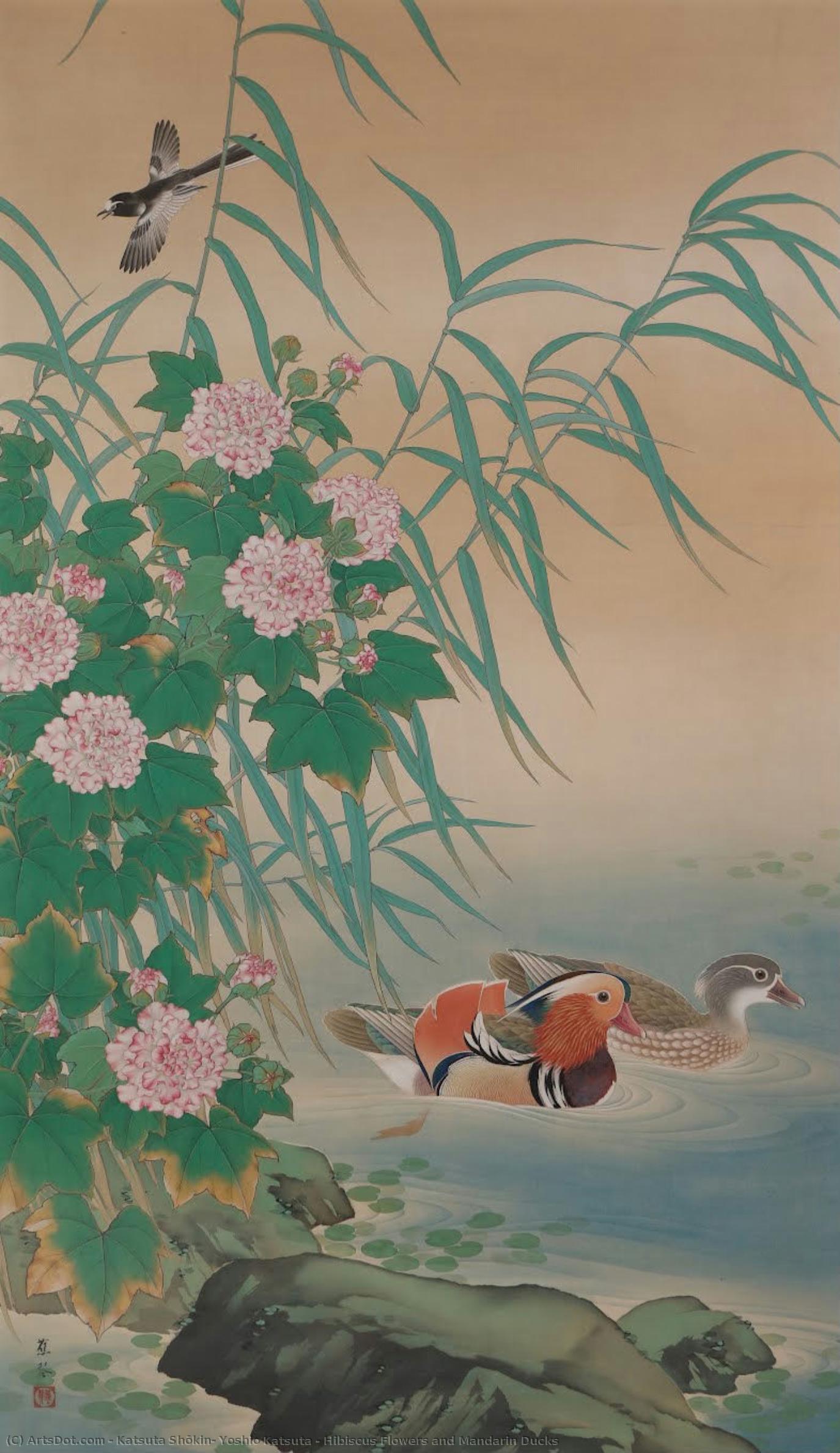
Hibiscus Flowers and Mandarin Ducks
 180.0 x 118.0 cm
 Read More
Purchase a high-resolution, enhanced digital image, far superior to the online preview.
Each file is meticulously prepared by our in-house specialists using advanced tools and expert manual retouching. We ensure every image has exceptional clarity, precise color accuracy, and fine detail.
The final file is delivered via email within 72 hours, optimized for immediate use in professional, editorial, and print environments. This is the same quality trusted by top-tier design studios, publishers, and galleries.
Digital Image
Download a high-resolution file for personal display, printing, and creative projects. ( Buy Print Buy Hand Made Painting)
Included in Every Digital Image Order
Expert Digital Delivery, Guaranteed
When you choose ArtsDot.com, you're not just getting an image - you're receiving a professionally enhanced digital artwork, crafted with precision and backed by a satisfaction guarantee. Here's everything that comes with your order, automatically:

Fast Email Delivery
Your high-resolution digital image file will be emailed to you within 72 hours of ordering - ready for immediate use.

AI-Enhanced Digital File
Your artwork is professionally optimized using advanced AI tools and manual editing, ensuring maximum detail, clarity, and color accuracy.

Free Lifetime Re-Delivery
Accidentally deleted or lost your file? No worries - we'll resend it to you anytime, free of charge.

No Import Fees - Ever
Enjoy your artwork instantly with zero customs, duties, or delivery fees - digital downloads are always tax-free.

Color Accuracy Guarantee
We ensure your digital image reflects the original colors as closely as possible using professional tools and color management.

60-Day Satisfaction Guarantee
If you're not satisfied with your digital image, we'll revise it or refund 100% within 60 days - no questions asked.

100% Money-Back Guarantee
Not satisfied? Get a full refund within 60 days of receiving your digital file - no questions asked.

Bulk Order Discounts
Buy 3 images, save 10% - Buy 5, save 15% - Buy 10+, save 20%. Great for creative projects, galleries, and agencies.
Related Artworks









Artist Biography
Katsuta Shōkin (勝田蕉琴): A Pioneer of Nihonga and Indian Influence
Yoshio Katsuta (15 March 1904 – 20 December 1997) was a Japanese-Canadian judoka born in Okayama, Japan who founded Alberta's first Judo dojo in Raymond, Alberta in 1943, and was the first president of the Alberta Black Belt Association, founded in 1952. Katsuta was ranked roku-dan (sixth-degree black belt) and was the recipient of many honours and awards for his service to the community and promotion of Judo in Canada. He received the Canadian Centennial Medal in 1967 and the 125th Anniversary of the Confederation of Canada Medal in 1992, was awarded the Hokkaido Cup from the Governor Born in Kawagoe, Japan, Katsuta Shōkin (勝田蕉琴) emerged as a prominent figure in Japanese modern painting during the early twentieth century. His artistic journey began with formal training at Tokyo Bijutsu Gakko (the Tokyo School of Fine Arts), where he honed his skills under the tutelage of Hashimoto Gahō, establishing a foundation for his distinctive Nihonga style—a tradition rooted in meticulous brushwork and capturing subtle nuances of nature.- Early Years & Education: Katsuta’s formative years were marked by an unwavering dedication to artistic pursuits. His studies at Tokyo Bijutsu Gakko instilled in him a profound understanding of traditional Japanese painting techniques, shaping his aesthetic sensibilities for decades to come.
- Indian Expedition (1906-1907): Recognizing the transformative potential of encountering diverse artistic traditions, Katsuta embarked on an expedition to India in 1906. This immersive experience profoundly impacted his worldview and fueled his fascination with Buddhist art—a cornerstone of Indian visual culture—which would subsequently permeate his own oeuvre.
The Nihonga Style: Embracing Tradition and Observation
Katsuta Shōkin’s artistic vision crystallized into the Nihonga style (日本画), a movement spearheaded by Okakura Kakuzo that championed meticulous brushwork, tonal gradation, and an unwavering commitment to capturing the essence of Japanese landscapes and subjects. Unlike Western Impressionism's focus on fleeting moments, Nihonga prioritized conveying profound emotional resonance through careful observation and skillful rendering—a philosophy deeply ingrained in Katsuta’s artistic practice. His paintings are characterized by a serene beauty that reflects his deep connection with the natural world and embodies the spirit of Zen Buddhism.- Brushwork & Tone: Katsuta's mastery lay in achieving remarkable tonal gradation through layering thin washes of pigment—a technique central to Nihonga’s expressive power.
- Subject Matter: Recurring motifs included landscapes, flowers (particularly hibiscus), and birds—often depicted alongside mandarin ducks—reflecting his admiration for the harmony between humanity and nature.
Exhibitions & Recognition: A Legacy of Artistic Excellence
Katsuta Shōkin’s artistic reputation soared throughout his career, culminating in participation in pivotal exhibitions such as the inaugural Bunten (文展) in 1907 and subsequent appearances at the Teiten (帝人展). His work garnered critical acclaim and solidified his position as a leading voice within Japan's avant-garde art scene. Furthermore, he served as a judge at the Teiten exhibition, demonstrating his commitment to fostering artistic dialogue and upholding standards of excellence.- Bunten & Teiten Exhibitions: These prestigious events showcased Katsuta’s evolving style and cemented his influence on subsequent generations of artists.
- Teiten Judge: His role as a judge underscored his dedication to promoting artistic integrity and fostering intellectual discourse within the Japanese art community.
Influence & Artistic Legacy
Katsuta Shōkin’s influence extended beyond his own paintings, shaping the aesthetic sensibilities of fellow artists and contributing significantly to the development of Nihonga as a distinctive artistic idiom. His exploration of Buddhist themes—particularly landscapes imbued with Zen spirituality—continues to inspire contemporary painters and resonates deeply within Japanese cultural heritage. Katsuta Shōkin died in 1963, leaving behind an enduring legacy as one of Japan’s most revered masters of Nihonga painting.- Buddhist Inspiration: His fascination with Buddhist art profoundly impacted his artistic vision, informing his depictions of serene landscapes and conveying spiritual contemplation.
- Continuing Influence: Katsuta Shōkin's stylistic innovations continue to inspire artists today, ensuring that his contribution to Japanese art history remains vibrant and relevant.
Notable Works
Hibiscus Flowers and Mandarin Ducks (DD2AL2) exemplifies Katsuta’s signature style—characterized by meticulous brushwork and tonal gradation—capturing the beauty of hibiscus blossoms alongside mandarin ducks in a harmonious composition that embodies Zen principles. His paintings are treasured for their evocative depictions of nature and their ability to convey profound emotional resonance.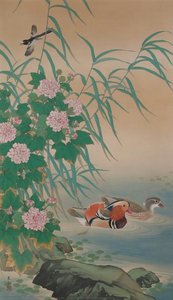
katsuta shōkin, yoshio katsuta
1879 - 1963 , Japan
Quick Facts
- Artistic Movement Or Style: Nihonga
- Artists Or Movements Influenced By This Artist: Okakura Gahō
- Artists Who Influenced This Artist: Hashimoto Gahō
- Date Of Birth: 1879-11-03
- Full Name: Yoshio Katsuta
- Nationality: Japanese
- Notable Artworks: ['Hibiscus Flowers and Mandarin Ducks']
- Place Of Birth: Kawagoe, Japan

