

 Preview
 Send
Send Share
Share
 Details

 Download
 Similars
 X-Ray
X-Ray Diaporama
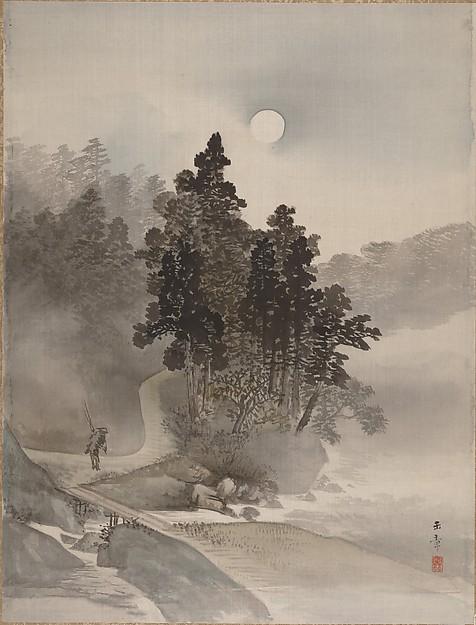
Traveling by Moonlight
 1800
1800 37.0 x 28.0 cm
 Read More
Purchase a high-resolution, enhanced digital image, far superior to the online preview.
Each file is meticulously prepared by our in-house specialists using advanced tools and expert manual retouching. We ensure every image has exceptional clarity, precise color accuracy, and fine detail.
The final file is delivered via email within 72 hours, optimized for immediate use in professional, editorial, and print environments. This is the same quality trusted by top-tier design studios, publishers, and galleries.
Digital Image
Download a high-resolution file for personal display, printing, and creative projects. ( Buy Print Buy Hand Made Painting)
Included in Every Digital Image Order
Expert Digital Delivery, Guaranteed
When you choose ArtsDot.com, you're not just getting an image - you're receiving a professionally enhanced digital artwork, crafted with precision and backed by a satisfaction guarantee. Here's everything that comes with your order, automatically:

Fast Email Delivery
Your high-resolution digital image file will be emailed to you within 72 hours of ordering - ready for immediate use.

AI-Enhanced Digital File
Your artwork is professionally optimized using advanced AI tools and manual editing, ensuring maximum detail, clarity, and color accuracy.

Free Lifetime Re-Delivery
Accidentally deleted or lost your file? No worries - we'll resend it to you anytime, free of charge.

No Import Fees - Ever
Enjoy your artwork instantly with zero customs, duties, or delivery fees - digital downloads are always tax-free.

Color Accuracy Guarantee
We ensure your digital image reflects the original colors as closely as possible using professional tools and color management.

60-Day Satisfaction Guarantee
If you're not satisfied with your digital image, we'll revise it or refund 100% within 60 days - no questions asked.

100% Money-Back Guarantee
Not satisfied? Get a full refund within 60 days of receiving your digital file - no questions asked.

Bulk Order Discounts
Buy 3 images, save 10% - Buy 5, save 15% - Buy 10+, save 20%. Great for creative projects, galleries, and agencies.
Related Artworks







Artist Biography
Kawabata Gyokushō: A Poet of Quiet Reflection
Kawabata Gyokushō (川端 吉祥), born in Osaka, Japan, in 1842, stands as a towering figure within Japanese literature and art history—a Nobel laureate whose profound exploration of themes like loneliness, nature’s beauty, and the passage of time continues to resonate deeply with readers worldwide. His artistic output spanned painting and poetry, cementing his reputation as one of the most influential writers of the Meiji era (1868–1912), a period marked by rapid modernization and Westernization alongside a fervent desire to preserve traditional Japanese values.Early Life and Artistic Beginnings
Gyokushō’s formative years were steeped in Confucian ideals, instilled by his father, who held a position within the Imperial Household Bureau. This upbringing fostered an appreciation for scholarship and moral contemplation—influences that would permeate his artistic endeavors. He initially pursued calligraphy and painting, mastering techniques honed over decades of dedicated practice. His early works demonstrated a meticulous attention to detail and a masterful command of brushwork, reflecting the aesthetic sensibilities prevalent during his time. Notably, he was deeply moved by the Impressionist movement in France, recognizing its ability to capture fleeting moments of beauty and emotion—a pivotal encounter that broadened his artistic horizons.Painting: Serenity Captured on Silk
Gyokushō’s paintings exemplify the Japanese concept of *wabi- sabi*, embracing imperfection and acknowledging the inherent beauty found within decay. His landscapes, particularly those depicting snow scenes – exemplified by “Pair of Ducks” (AQTTX7) and "A Pair of Puppies" (AQTTXF), are characterized by understated compositions and muted colors. He skillfully utilized ink wash techniques (*sumi-e*) to convey a sense of tranquility and contemplation—capturing the essence of Japanese aesthetics with remarkable precision. The deliberate absence of ostentation speaks volumes about his artistic philosophy, prioritizing spiritual resonance over mere visual spectacle. His meticulous observation of nature served as inspiration for countless paintings that embody the spirit of *mono no aware*, “the pathos of things,” recognizing the ephemeral beauty of existence and accepting its inevitable decline.Literary Achievements: Snow Country and Beyond
Gyokushō’s literary magnum opus, "Snow Country" (雪国), published in 1906, catapulted him to international acclaim and secured his place among Japan's greatest novelists. This haunting tale explores themes of isolation, longing, and the confrontation between tradition and modernity—set against the backdrop of a remote Japanese village enveloped in perpetual snowfall. The novel’s lyrical prose and evocative imagery captivated readers globally, establishing Gyokushō as a pioneer of psychological realism within Japanese literature. His exploration of human consciousness and emotional depth mirrored the burgeoning interest in psychoanalysis during his era, demonstrating an intellectual curiosity that transcended artistic boundaries. He continued to produce poetry throughout his life, consistently reflecting on themes of solitude, memory, and the beauty of simple existence—solidifying his legacy as a poet who championed quiet contemplation and profound introspection.Legacy and Recognition
Kawabata Gyokushō’s influence extends far beyond his literary accomplishments. He served as president of Kyoto University from 1909 to 1913, fostering intellectual discourse and promoting scholarly pursuits—a testament to his commitment to education and cultural advancement. In 1968, he was awarded the Nobel Prize in Literature “for his poetic imagination and his mastery of language.” This honor recognized not only his artistic brilliance but also his profound contribution to Japanese culture and thought—ensuring that his work would endure as a cornerstone of modern Japanese literature and art history for generations to come. His enduring appeal lies in his ability to distill complex emotions into exquisitely crafted prose and imagery, inviting readers to contemplate the fundamental questions of human existence with grace and sensitivity.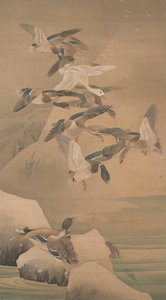
kawabata gyokushō
1842 - 1913
Quick Facts
- Artistic Movement Or Style: Japanese Modernism
- Artists Or Movements Influenced By This Artist: ['James Abbott McNeill Whistler']
- Artists Who Influenced This Artist:
- Hiroshige
- Utagawa Hiroshi
- Date Of Birth: 1842
- Date Of Death: 1913
- Full Name: Kawabata Gyokushō
- Nationality: Japanese
- Notable Artworks:
- A Pair of Puppies
- Pair of Ducks
- Place Of Birth: Tokyo, Japan

