

 Preview
 Send
Send Share
Share
 Details

 Download
 Similars
 X-Ray
X-Ray Diaporama
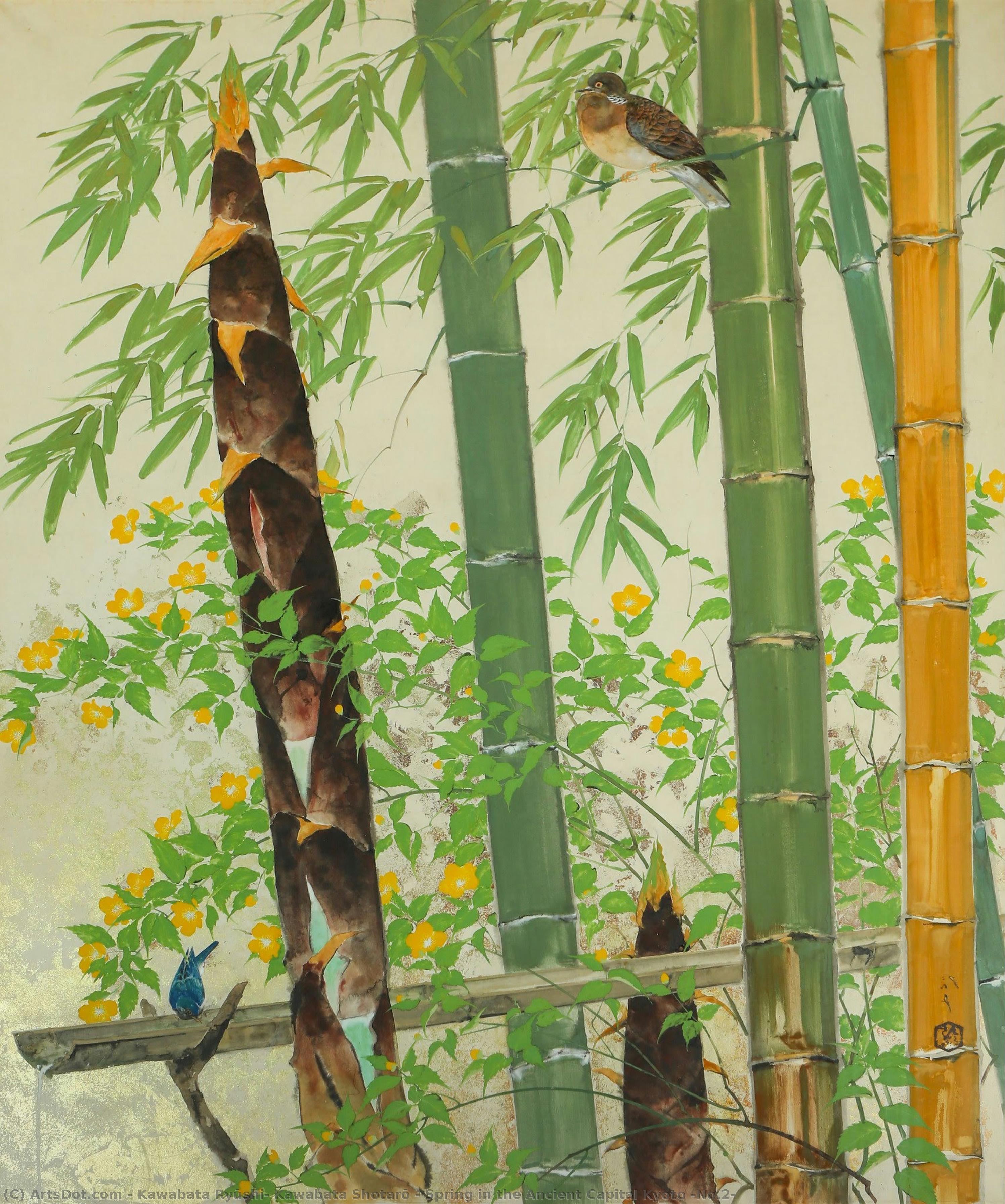
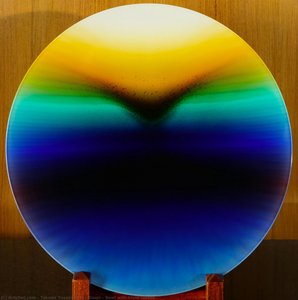
Spring in the Ancient Capital Kyoto (No.2)
 1953
1953 183.0 x 153.0 cm
 Read More
Purchase a high-resolution, enhanced digital image, far superior to the online preview.
Each file is meticulously prepared by our in-house specialists using advanced tools and expert manual retouching. We ensure every image has exceptional clarity, precise color accuracy, and fine detail.
The final file is delivered via email within 72 hours, optimized for immediate use in professional, editorial, and print environments. This is the same quality trusted by top-tier design studios, publishers, and galleries.
Digital Image
Download a high-resolution file for personal display, printing, and creative projects. ( Buy Print Buy Hand Made Painting)
Included in Every Digital Image Order
Expert Digital Delivery, Guaranteed
When you choose ArtsDot.com, you're not just getting an image - you're receiving a professionally enhanced digital artwork, crafted with precision and backed by a satisfaction guarantee. Here's everything that comes with your order, automatically:

Fast Email Delivery
Your high-resolution digital image file will be emailed to you within 72 hours of ordering - ready for immediate use.

AI-Enhanced Digital File
Your artwork is professionally optimized using advanced AI tools and manual editing, ensuring maximum detail, clarity, and color accuracy.

Free Lifetime Re-Delivery
Accidentally deleted or lost your file? No worries - we'll resend it to you anytime, free of charge.

No Import Fees - Ever
Enjoy your artwork instantly with zero customs, duties, or delivery fees - digital downloads are always tax-free.

Color Accuracy Guarantee
We ensure your digital image reflects the original colors as closely as possible using professional tools and color management.

60-Day Satisfaction Guarantee
If you're not satisfied with your digital image, we'll revise it or refund 100% within 60 days - no questions asked.

100% Money-Back Guarantee
Not satisfied? Get a full refund within 60 days of receiving your digital file - no questions asked.

Bulk Order Discounts
Buy 3 images, save 10% - Buy 5, save 15% - Buy 10+, save 20%. Great for creative projects, galleries, and agencies.
Related Artworks


Artist Biography
The Dragon's Breath: The Life and Legacy of Kawabata Ryūshi
In the delicate interplay of light and shadow that defines the Nihonga tradition, few names command as much reverence as Kawabata Ryūshi. Born in 1885 in the quiet city of Wakayama, his journey began not with a brush, but with the rhythmic grace of poetry. Under the mentorship of the poet Kawabata Hōja, Ryūshi was first immersed in the lyrical world of the Hototogisu artistic circle, an experience that would forever imbue his visual compositions with a literary soul. This early connection to verse ensured that even his most monumental canvases possessed an underlying cadence, a subtle nuance that whispered of the ephemeral beauty found in nature and legend.
His path toward becoming a titan of Japanese painting was marked by a profound exploration of both East and West. After moving to Tokyo as a young boy, Ryūlarshi’s curiosity led him through the rigorous training of Yōga, or Western-style painting, as an apprentice within the studios of the Hakubakai. This period of experimentation reached a turning point in 1913 during a transformative journey to the United States. While studying Western techniques abroad, a visit to the Boston Museum of Fine Arts altered his destiny; confronted by the profound spiritual resonance of Japanese masterpieces, he felt an irresistible pull back toward his heritage. Upon his return to Japan in 1914, he abandoned oil painting to dedicate himself fully to the Nihonga genre, a decision that would eventually lead him to be recognized as one of the "Three Big Figures" of the field alongside Yokoyama Taikan and Kawai Gyokudō.
A Vision of Grandeur and Public Spirit
Ryūshi was far more than a solitary creator; he was a visionary architect of the Japanese art scene. Driven by a fervent belief in kaijō geijutsu—the concept of "Art for the Exhibition Place"—he sought to liberate painting from the confines of small, private viewing and bring it into the public consciousness. His works were often conceived on an epic scale, designed to breathe within large, communal spaces where their grandeur could be fully realized. This commitment to the public nature of art led him to break away from the rigid constraints of established institutions like the Inten exhibition, founding his own influential circle, the Seiryūsha, in 1928. Through this organization, he fostered a new era of ambitious, large-scale expression that challenged the status quo.
His technical mastery was matched only by his thematic obsession with the mythical and the profound. The dragon, a symbol of power, wisdom, and cosmic energy, became a recurring protagonist in his oeuvre. These much-discussed motifs were not merely decorative; they were conduits for a spiritual intensity that seemed to animate the very silk and pigment of his work. Whether capturing the atmospheric mystery of a moonlit bamboo grove or the terrifying majesty of a celestial serpent, Ryūshi utilized rich, evocative colors—deep blues to suggest evening shadows and brilliant yellows to mimic moonlight—to create immersive worlds that felt both ancient and immediate.
Honors, Pilgrimages, and Eternal Influence
The later years of Ryūshi’s life were marked by a deep, spiritual introspection. Following the profound personal loss of his wife and son in 1950, he embarked on a grueling six-year pilgrimage through the eighty-eight holy sites of Shikoku. This journey was not merely a retreat into grief but an artistic odyssey; he spent years sketching the landscapes and temples of the circuit, allowing the sacred geography of Japan to further refine his brushwork and deepen his connection to the land.
The magnitude of his contribution to Japanese culture was formally recognized through some of the nation's highest honors, including the Asahi Prize in 1930 and the prestigious Order of Culture. His legacy remains etched in the history of the Taishō and Shōwa eras, standing as a testament to an artist who could bridge the gap between the intimate whisper of a poem and the thunderous roar of a dragon. Today, his works continue to inspire awe, reminding us of a time when art was a monumental pursuit of both national identity and spiritual truth.
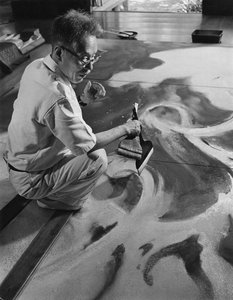
kawabata ryūshi, kawabata shotarō
1885 - 1966 , Japan
Quick Facts
- Artistic Movement Or Style: Nihonga
- Artists Or Movements Influenced By This Artist: ['Hakubakai']
- Artists Who Influenced This Artist: ['Kawabata Ho']
- Date Of Birth: June 6, 1885
- Date Of Death: April 10, 1966
- Full Name: Kawabata Ryūshi (川端 龍子)
- Nationality: Japanese
- Notable Artworks:
- Spring in the Ancient Capital Kyoto (No.1)
- Spring in the Ancient Capital Kyoto (No.2)
- Place Of Birth: Wakayama City, Japan

