 Preview
 Send
Send Share
Share
 Details

 Download
 Similars
 X-Ray
X-Ray Diaporama
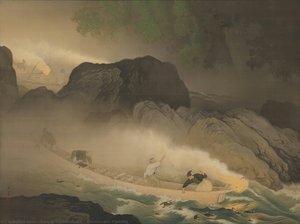
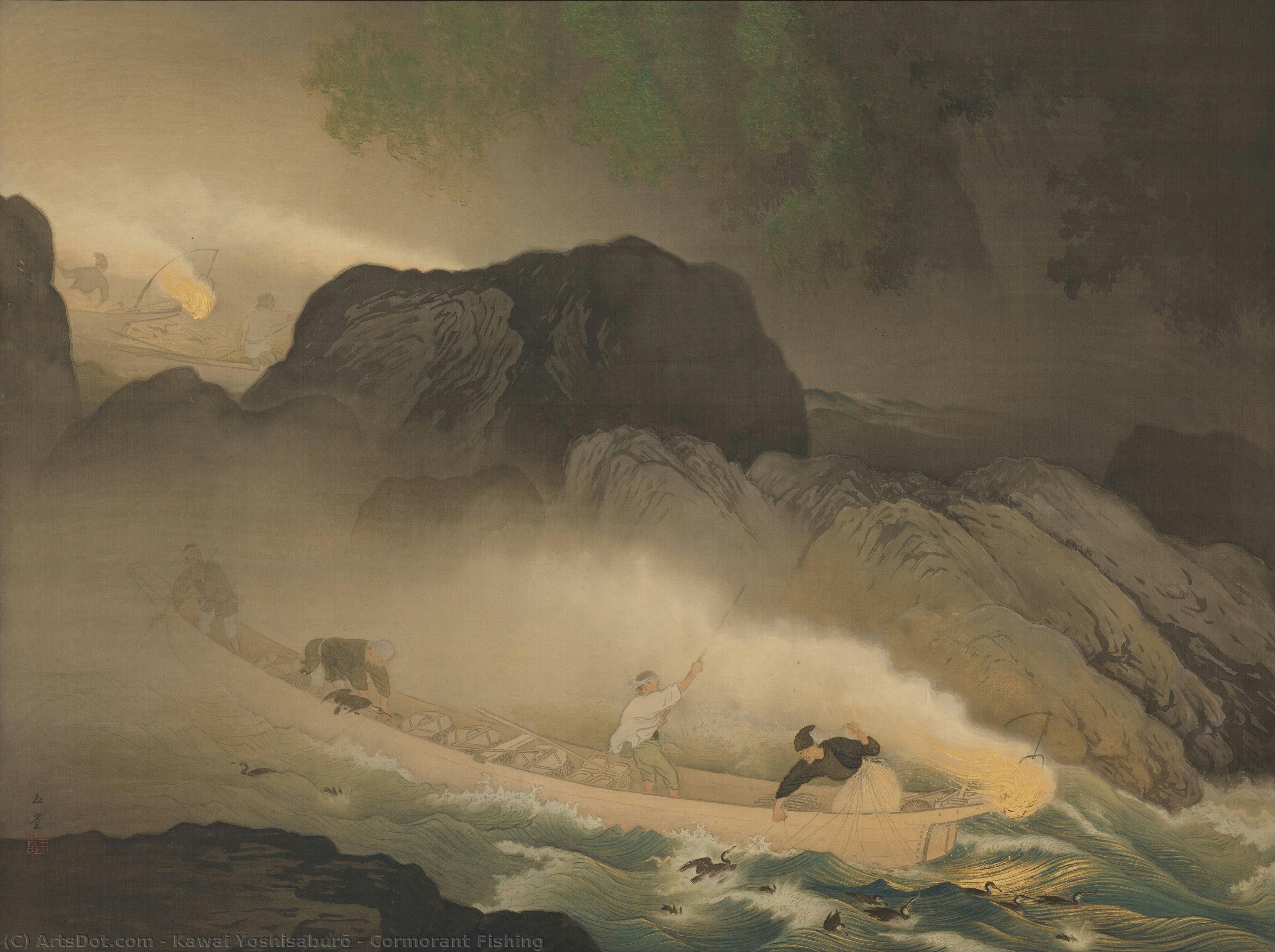
Cormorant Fishing
 1931
1931 87.0 x 117.0 cm
 Read More
Hand Made Oil Reproduction
Hand-painted oil on canvas in your size and frame, made to order by our artists. ( Buy Print Buy Image)




































Pick from our preset sizes that match the artwork's original proportions.

You may enter your own dimensions to fit a specific frame or space. If your selected size does not match the original image's proportions, we will either crop the artwork or extend the painting with additional hand-painted elements. A digital mockup will be sent for your approval before production begins.
Please note that the on-screen preview does not reflect the actual cropping or extension. Only the mockup will accurately show the final composition.
While custom sizes are available, we recommend selecting a dimension from the predefined list to preserve the original proportions.
After order, ArtsDot.com team will email client for instructions and provide a mockup preview
Worldwide Delivery () in 3/4 weeks instead of standard 5 weeks. (26 August). No compromise on quality.

Free Worldwide Express Shipping

High-Quality Linen Canvas

Full Shipping Insurance

Customs Tax Refund Guarantee

True Color Matching Guarantee

60-Day Return Policy (Defects Only)

100% Money-Back Guarantee

Bulk Discount Offer
 Glass option is only available in size under 110 CM

Cormorant Fishing
Reproduction Medium
Reproduction Size
-


Total Price
$ 263
Artwork Description
Related Artworks









Artist Biography
The Genesis of a Master
Born into the fragrant atmosphere of a family dedicated to the craft of papermaking and ink production, Kawai Yoshisaburō’s destiny was etched in the very materials of his future art. In the heart of Ichinomiya, Aichi Prefecture, the young artist grew up surrounded by the tactile essence of tradition. This early immersion in the physical components of nihonga—the brushes, the pigments, and the delicate papers—provided a foundation far deeper than mere technical skill; it was an elemental connection to the medium itself. As he journeyed from his childhood home to the vibrant artistic hubs of Kyoto, his identity began to transform, eventually adopting the evocative pseudonym Kawai Gyokudō, a name that would become synonymous with the seasonal soul of Japan.A Tapestry of Influences
The evolution of Gyokudō’s style was a deliberate dance between the ancient and the emerging. Under the tutelage of masters like Mochizuki Gyokusen and Kōno Bairei, he absorbed the meticulous realism of the Maruyama-shijo school, learning to observe the natural world with an almost scientific precision. Yet, his spirit was not bound by the past alone. By integrating the disciplined brushwork of the Kanō school from Hashimoto Gahō and the luminous, atmospheric perspectives of Western Impressionism, he achieved a breathtaking synthesis. His canvases became more than mere depictions; they were windows into a world where:- Traditional Nihonga techniques met the vibrant, light-filled palettes of modern Europe.
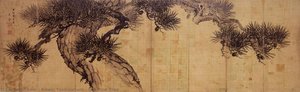
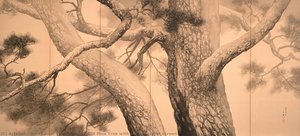
- The mogu technique brought a powerful, textured life to the trunks of ancient pines.
- Compositional principles from Chinese traditions provided a structural elegance to his landscapes.
Capturing the Eternal Seasons
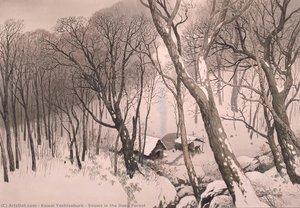
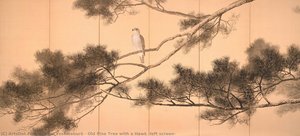
Gyokudō’s true mastery lay in his ability to arrest time, capturing the fleeting transitions of the Japanese landscape with profound emotional resonance. His oeuvre serves as a seasonal chronicle, where the arrival of spring and the descent of winter are felt through every brushstroke. In works such as “Futsuka zuki” (The New Moon), one finds a serene, moonlit winter stillness, while “Yuku haru” (The Departing Spring) evokes the bittersweet melancholy of falling blossoms. Whether portraying the dramatic silhouette of a hawk perched upon an old pine or the rhythmic dance of cormorant fishing against the dark rocks of Kinka-zan mountain, his art celebrates a harmonious existence between humanity and the wild. Through his eyes, the mountains and rivers are not merely scenery, but living, breathing entities that pulse with the rhythm of the earth.
kawai yoshisaburō
1873 - 1957 , Japan
Quick Facts
- Artistic Movement Or Style: Nihonga
- Artists Who Influenced This Artist:
- Kōno Bairei
- Hashimoto Gahō
- Date Of Birth: November 24, 1873
- Date Of Death: June 30, 1957
- Full Name: Kawai Yoshisaburō
- Nationality: Japanese
- Notable Artworks:
- Futsuka zuki
- Yuku haru
- Mine-no-yu
- Bosetsu
- Place Of Birth: Ichinomiya City, Aichi Prefecture