

 Preview
 Send
Send Share
Share
 Details

 Download
 Similars
 X-Ray
X-Ray Diaporama
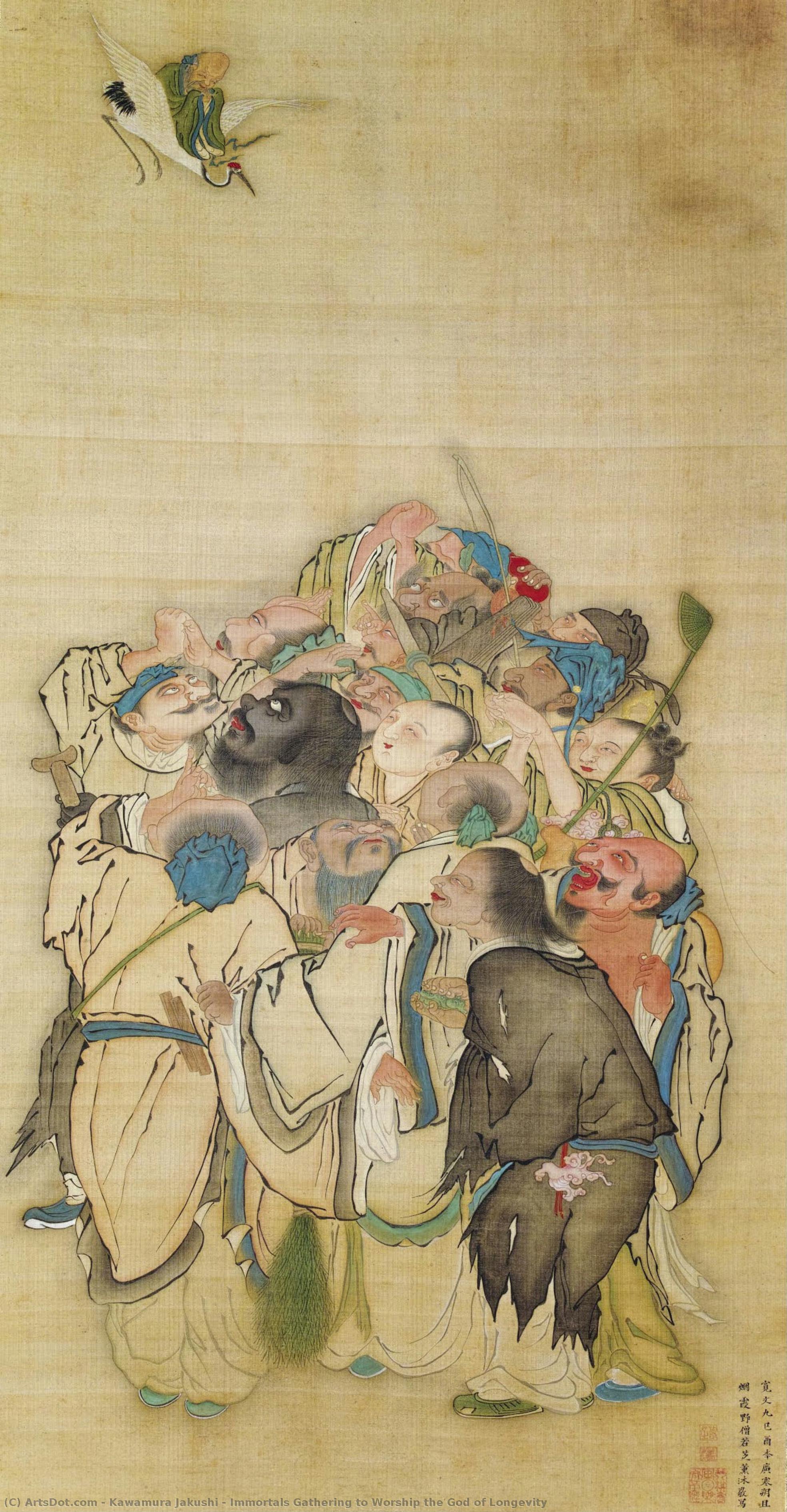
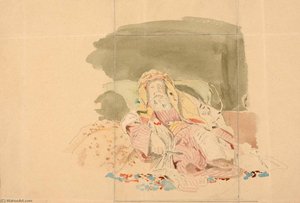
Immortals Gathering to Worship the God of Longevity


 Read More
Purchase a high-resolution, enhanced digital image, far superior to the online preview.
Each file is meticulously prepared by our in-house specialists using advanced tools and expert manual retouching. We ensure every image has exceptional clarity, precise color accuracy, and fine detail.
The final file is delivered via email within 72 hours, optimized for immediate use in professional, editorial, and print environments. This is the same quality trusted by top-tier design studios, publishers, and galleries.
Digital Image
Download a high-resolution file for personal display, printing, and creative projects. ( Buy Print Buy Hand Made Painting)
Included in Every Digital Image Order
Expert Digital Delivery, Guaranteed
When you choose ArtsDot.com, you're not just getting an image - you're receiving a professionally enhanced digital artwork, crafted with precision and backed by a satisfaction guarantee. Here's everything that comes with your order, automatically:

Fast Email Delivery
Your high-resolution digital image file will be emailed to you within 72 hours of ordering - ready for immediate use.

AI-Enhanced Digital File
Your artwork is professionally optimized using advanced AI tools and manual editing, ensuring maximum detail, clarity, and color accuracy.

Free Lifetime Re-Delivery
Accidentally deleted or lost your file? No worries - we'll resend it to you anytime, free of charge.

No Import Fees - Ever
Enjoy your artwork instantly with zero customs, duties, or delivery fees - digital downloads are always tax-free.

Color Accuracy Guarantee
We ensure your digital image reflects the original colors as closely as possible using professional tools and color management.

60-Day Satisfaction Guarantee
If you're not satisfied with your digital image, we'll revise it or refund 100% within 60 days - no questions asked.

100% Money-Back Guarantee
Not satisfied? Get a full refund within 60 days of receiving your digital file - no questions asked.

Bulk Order Discounts
Buy 3 images, save 10% - Buy 5, save 15% - Buy 10+, save 20%. Great for creative projects, galleries, and agencies.
Related Artworks
Artist Biography
The Soul of Silk: The Artistic Legacy of Kawamura Jakushi
In the quiet, mist-shrouded landscapes of Japan’s Hizen Province, a profound artistic lineage was forged through the delicate medium of silk and the disciplined stroke of the ink brush. Kawamura Jakushi, an artist whose life spanned the transformative years of the Edo period (1638–1707), stands as a luminous figure in the history of Japanese painting. His journey was not merely one of personal skill, and yet it was deeply spiritual, beginning with his entry into the priesthood. This monastic foundation provided the philosophical bedrock for his creative vision, allowing him to approach the canvas—or more accurately, the silk scroll—as an extension of meditative practice. Moving to the bustling port town of Nagasaki, Jakushi immersed himself in a world where ancient traditions met the burgeoning influences of international trade, creating a unique tension between the serene and the worldly.
The development of Jakushi’s style was profoundly shaped by his mentorship under Itsunen, a distinguished Buddhist monk from Suifuku-ji Temple. As one of the early practitioners of the Obaku style in Nagasaki, Itsunen imparted the nuances of Chinese-influenced painting, characterized by its expressive power and spiritual depth. Under this guidance, Jakushi did not merely replicate his master’s strength; instead, he sought to amplify it, infusing his work with a certain eccentricity that set him apart. His mastery of the Sumi-e technique—the art of monochrome ink wash—allowed him to capture the essence of his subjects through subtle tonal variations and masterful brushwork, achieving a balance between simplicity and profound complexity.
Symbolism and the Sacred Narrative
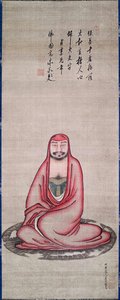
To gaze upon a work by Jakushi is to enter a realm where every stroke carries a weight of cultural and spiritual significance. His compositions often serve as windows into Buddhist iconography, where figures are not merely portraits but embodiments of cosmic truths. One of his most celebrated achievements is his portrayal of Bodhidharma, the founder of Zen Buddhism. In this masterpiece, Jakushi utilizes the delicate texture of silk to render the revered figure with a serene yet commanding grace. The interplay of light and shadow, achieved through meticulous ink washes, creates an atmosphere of contemplative stillness that invites the viewer into a state of spiritual reflection.
Beyond the central figures, Jakushi’s work is rich with the motifs of Japanese folklore and Buddhist ritual. He frequently integrated symbols such as the white crane, a potent emblem of longevity and auspiciousness, weaving together the natural world and the divine. His ability to blend these elements—the physical reality of nature and the metaphysical realm of the spirit—demonstrates a sophisticated understanding of narrative art. Whether depicting the Immortals Gathering or intricate religious inscriptions, his work remains anchored in a deep respect for the traditions of Hizen and the broader aesthetic values of his era.
A Legacy of Craft and Cultural Fusion
The historical significance of Kawamura Jakushi extends far beyond the boundaries of individual scrolls. He belonged to a lineage of craftsmen whose lives were intertwined with the evolving identity of Japan during the Edo period. The Jakushi family legacy is closely linked to the Nanban-Tsuba style, reflecting a period when Nagasaki’s openness to Western and Chinese trade introduced new materials and aesthetics, such as enamel inlay, into Japanese artistry. This era of fusion allowed artists like Jakushi to engage with global artistic currents while remaining fiercely loyal to core Japanese aesthetic principles.
His contribution to the artistic landscape of Hizen Province was nurtured by the patronage of the Ryuzoji daimyo family, whose support fostered an environment where diverse talents—from metal carving to silk painting—could flourish. Today, the works of Jakushi serve as vital historical documents, capturing a moment in time when the spiritual discipline of the monk and the technical precision of the craftsman converged. His enduring impact is felt in the way his "echoes of tradition" continue to resonate through the centuries, reminding us of the power of art to bridge the gap between the earthly and the eternal.
kawamura jakushi
Japan
Quick Facts
- Artistic Movement Or Style: Silk Painting
- Full Name: Yuki Kawamura
- Nationality: Japanese
- Notable Artworks: ['Bodhidharma']
- Place Of Birth: Japan

