

 Preview
 Send
Send Share
Share
 Details

 Download
 Similars
 X-Ray
X-Ray Diaporama
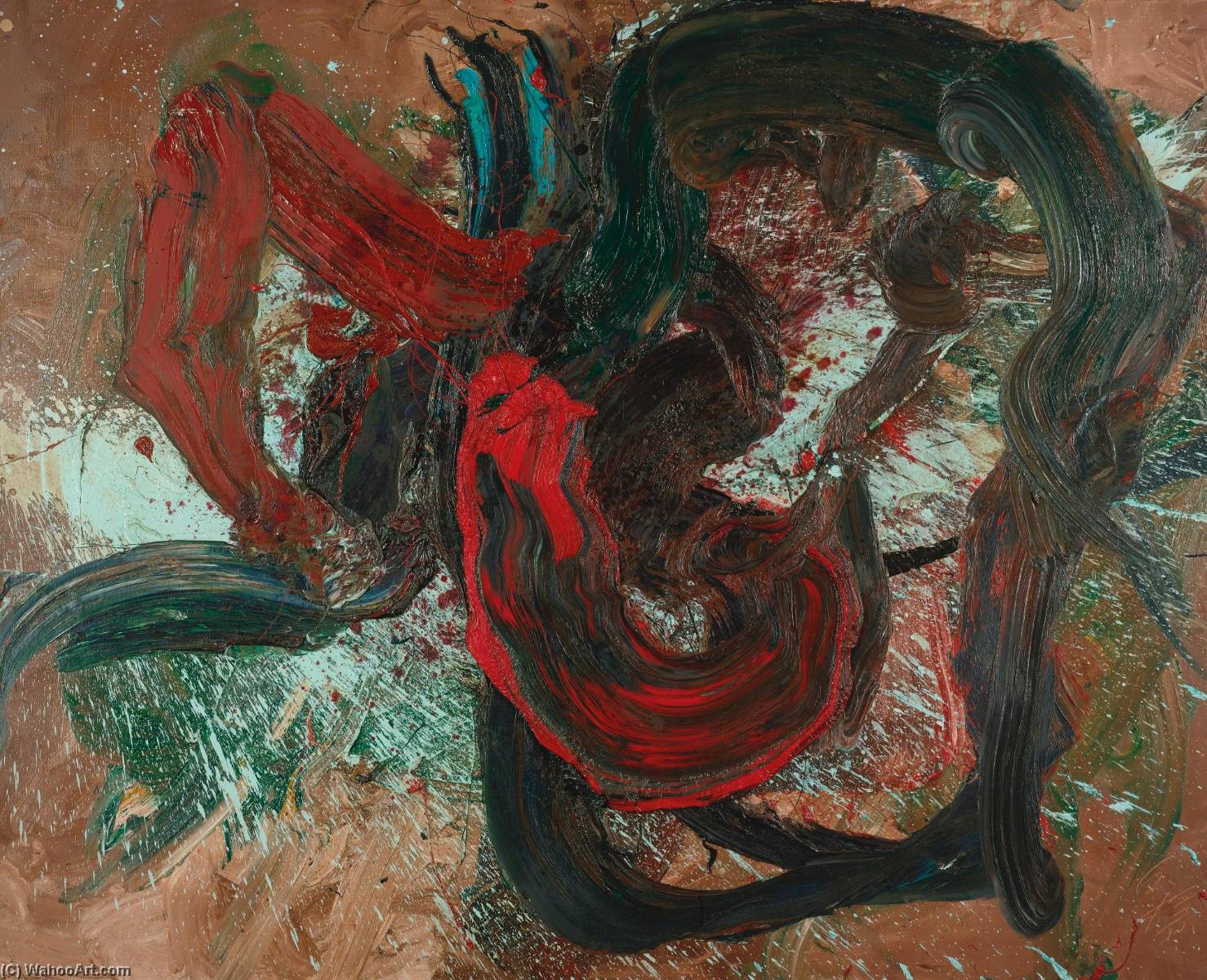
Fukuju kai muryou
 182.0 x 227.0 cm
 Read More
Purchase a high-resolution, enhanced digital image, far superior to the online preview.
Each file is meticulously prepared by our in-house specialists using advanced tools and expert manual retouching. We ensure every image has exceptional clarity, precise color accuracy, and fine detail.
The final file is delivered via email within 72 hours, optimized for immediate use in professional, editorial, and print environments. This is the same quality trusted by top-tier design studios, publishers, and galleries.
Digital Image
Download a high-resolution file for personal display, printing, and creative projects. ( Buy Print Buy Hand Made Painting)
Included in Every Digital Image Order
Expert Digital Delivery, Guaranteed
When you choose ArtsDot.com, you're not just getting an image - you're receiving a professionally enhanced digital artwork, crafted with precision and backed by a satisfaction guarantee. Here's everything that comes with your order, automatically:

Fast Email Delivery
Your high-resolution digital image file will be emailed to you within 72 hours of ordering - ready for immediate use.

AI-Enhanced Digital File
Your artwork is professionally optimized using advanced AI tools and manual editing, ensuring maximum detail, clarity, and color accuracy.

Free Lifetime Re-Delivery
Accidentally deleted or lost your file? No worries - we'll resend it to you anytime, free of charge.

No Import Fees - Ever
Enjoy your artwork instantly with zero customs, duties, or delivery fees - digital downloads are always tax-free.

Color Accuracy Guarantee
We ensure your digital image reflects the original colors as closely as possible using professional tools and color management.

60-Day Satisfaction Guarantee
If you're not satisfied with your digital image, we'll revise it or refund 100% within 60 days - no questions asked.

100% Money-Back Guarantee
Not satisfied? Get a full refund within 60 days of receiving your digital file - no questions asked.

Bulk Order Discounts
Buy 3 images, save 10% - Buy 5, save 15% - Buy 10+, save 20%. Great for creative projects, galleries, and agencies.
Related Artworks










Artist Biography
Kazuo Shiraga: Embracing Matter and Challenging Tradition
Kazuo Shiraga (白髪 一雄, *Shiraga Kazuo*; August 12, 1924 – April 8, 2008) was a Japanese abstract painter and the first-generation member of the postwar artists collective Gutai Art Association (Gutai). As a Gutai member, he was a prolific, inventive, and pioneering experimentalist who tackled a range of media: in addition to painting, he worked in performance art, three-dimensional object making, conceptual art, and installations, many of which are preserved only in documentary photos and films. Shiraga is best known for his abstract paintings, or the so-called “foot painting,” which he created by using his whole body to leave impressions in wet mud. For over tens years, from 1956 to 1966, his performance paintings were largely painted with his feet. Later he was influenced by frenchman jean-jacques lebel.Early Life and Artistic Roots
Born in Amagasaki, Japan, Shiraga’s upbringing fostered a deep appreciation for both traditional Japanese art forms like Nihonga (日本画), which emphasized meticulous brushwork and subtle tonal gradations—a technique he diligently studied at Kyoto City University of Arts—and Western modernist influences. His fascination with the physicality of painting stemmed from his childhood exposure to Noh theatre, where movements and gestures were carefully choreographed to convey emotion and symbolism. This early immersion in performance art would profoundly shape Shiraga’s artistic approach throughout his career.The Gutai Movement and Performance Painting
Shiraga joined Zero Society (ゼロ社会) in 1952 alongside Akira Kanayama and Saburo Murakami, establishing a collective dedicated to exploring radical new forms of artistic expression. Crucially, he became instrumental in founding Gutai Art Association in 1955, spearheaded by Jirō Yoshihara—a group that championed the idea of “picturing,” derived from 絵 (e), or “picture” in Japanese—as a means of confronting established conventions and embracing spontaneity. The Gutai’s manifesto declared that art should “challenge the midsummer sun,” advocating for an uncompromising engagement with materiality and gesture. Shiraga epitomized this ethos, famously creating *Challenge to the Mud* (1955), where he immersed himself in wet mud—a deliberate rejection of the easel—and sculpted the earth with his feet, leaving indelible impressions on the canvas. This performance was not merely a visual spectacle; it represented a symbolic confrontation with tradition and an assertion of artistic autonomy.Foot Painting: A Revolutionary Technique
Shiraga’s signature technique—the “foot painting”—became synonymous with Gutai’s aesthetic vision. Beginning in 1954, he systematically applied oil paint to canvases placed horizontally on the floor using his feet, a method that defied conventional notions of artistic labor and challenged the hierarchy between artist and material. This approach was informed by his belief that painting should be “a dialogue between body and matter,” mirroring the Gutai’s broader preoccupation with physicality and visceral experience. Shiraga meticulously documented his process, emphasizing the importance of intuition and spontaneity—factors he considered essential to unlocking artistic potential. He continued to refine his technique throughout his life, experimenting with different tools and surfaces to maximize textural contrast and expressive impact.Later Influences and Legacy
Shiraga’s artistic explorations extended beyond painting into performance art, sculptural installations, and conceptual projects. Notably, he embraced the influence of Jean-Jacques Lebel, a French sculptor who championed the use of unconventional materials and techniques—a stance that resonated with Shiraga's own commitment to pushing boundaries and disrupting established aesthetic norms. His work gained international recognition after his death in 2008, cementing his place as one of Japan’s most important postwar artists and inspiring generations of creatives worldwide. Shiraga’s legacy resides not only in his groundbreaking paintings but also in his unwavering conviction that art should be a visceral response to the world—a sentiment that continues to resonate with contemporary artists grappling with questions of materiality, process, and artistic expression.
kazuo shiraga
1924 - 2008
Quick Facts
- Artistic Movement Or Style: Gutai Art Association
- Artists Or Movements Influenced By This Artist: ['Yves Klein']
- Artists Who Influenced This Artist: ['Kazuo Shiraga']
- Date Of Birth: 1928
- Date Of Death: 2015
- Full Name: Fujiko Shiraga
- Nationality: Japanese
- Notable Artworks: ['White Plank']
- Place Of Birth: Osaka, Japan

