 Preview
 Send
Send Share
Share
 Details

 Download
 Similars
 X-Ray
X-Ray Diaporama
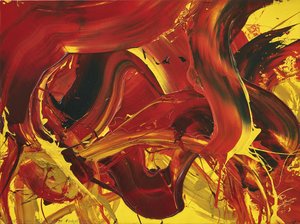
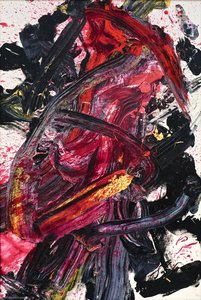
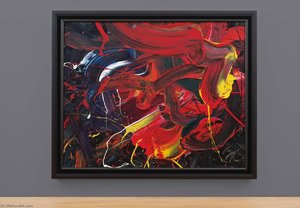
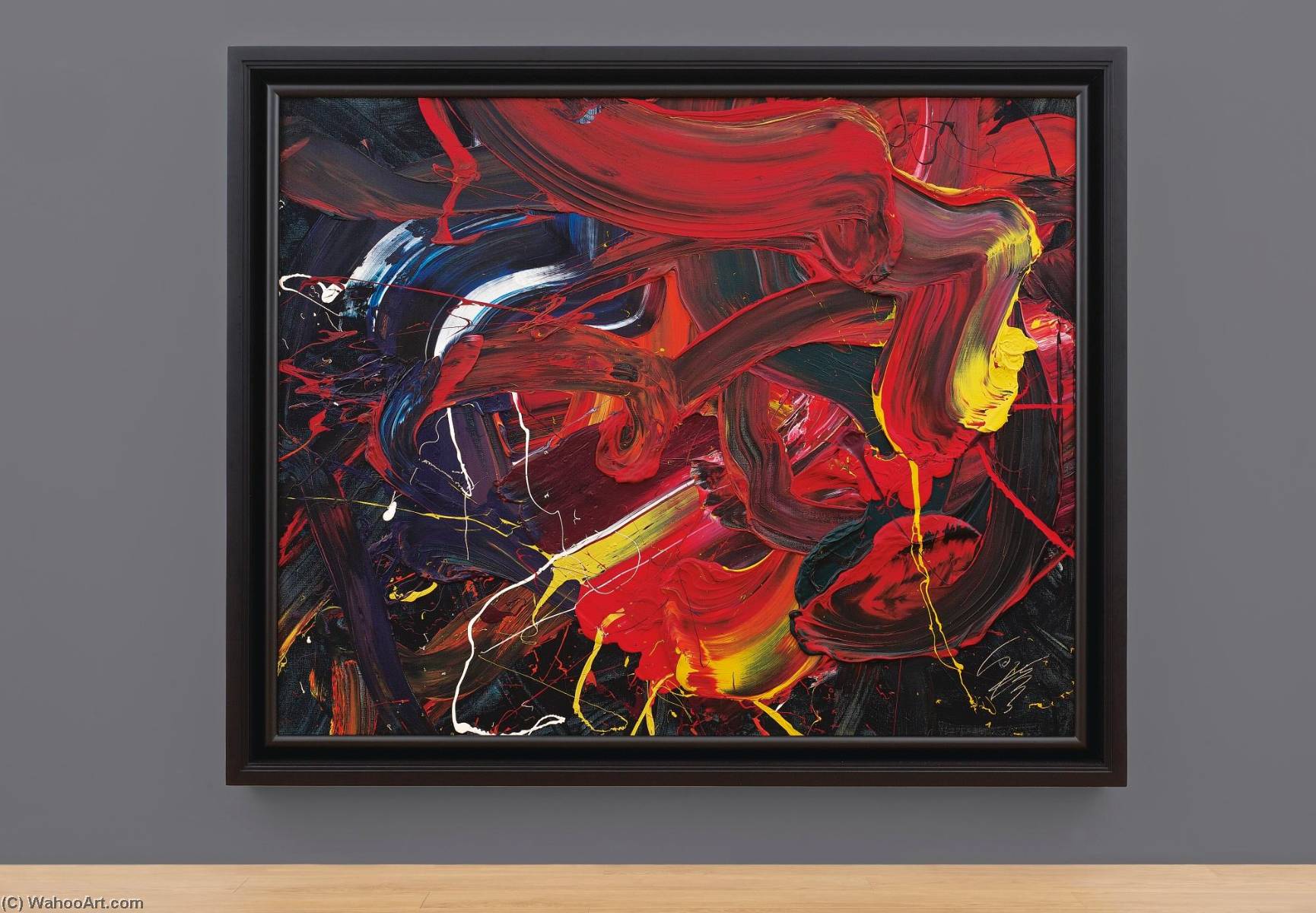
Jyumanhassenbongomaku
 130.0 x 162.0 cm
 Read More
Giclée / Art Print
Museum-quality giclée or canvas print with fast production and flexible finish options. ( Buy Hand Made Painting Buy Image)




































Pick from our preset sizes that match the artwork's original proportions.

You may enter your own dimensions to fit a specific frame or space. If your selected size does not match the original image's proportions, we will either crop the artwork or extend the image with a mirrored or solid-fill edge. A digital mockup will be sent for your approval before production begins.
Please note that the on-screen preview does not reflect the actual cropping or extension. Only the mockup will accurately show the final composition.
While custom sizes are available, we recommend selecting a dimension from the predefined list to preserve the original proportions.
Worldwide Delivery () in 2 weeks instead of standard 4/5 weeks. (25 August)

Free Worldwide Express Shipping

High-Quality Linen Canvas

Full Shipping Insurance

Customs Tax Refund Guarantee

True Color Matching Guarantee

60-Day Return Policy (Defects Only)

100% Money-Back Guarantee

Bulk Discount Offer
 Glass option is only available in size under 110 CM

Jyumanhassenbongomaku
Giclée / Art Print
Reproduction Size
-


Total Price
$ 63
Related Artworks








Artist Biography
The Visceral Dance of Matter: The Life and Legacy of Kazuo Shiraga
In the turbulent landscape of postwar Japan, a new language of expression emerged from the wreckage of tradition, driven by a raw, unbridled need to confront reality. At the heart of this revolution stood Kazuo Shiraga, an artist whose very method of creation became a performance of physical struggle and spiritual release. Born in Amagasaki in 1924, Shiraga’s early years were steeped in a duality of influences that would later define his radical aesthetic. He was trained in the meticulous, disciplined world of Nihonga—the traditional Japanese style of painting characterized by delicate brushwork and subtle tonal gradations—yet he was simultaneously haunted and inspired by the primal, choreographed movements of Noh theatre. This early immersion in the ritualistic gestures of performance would eventually find its way into his canvases, not through subtle strokes, but through the violent, sweeping motions of his entire body.
The true metamorphosis of Shiraga’s career occurred with his involvement in the Gutai Art Association, a collective he helped found in 1955. Alongside visionaries like Jirō Yoshihara, Shiraga sought to move beyond the mere representation of objects, aiming instead to "embrace matter" and allow it to speak for itself. This period marked the birth of his most iconic and visceral technique: the foot painting. Eschewing the traditional brush, Shiraga would suspend himself from a rope above a canvas spread on the floor, using his feet to manipulate thick, heavy layers of oil paint. This was not merely a stylistic choice but an existential act; by using his whole body, he bridged the gap between the artist’s physical presence and the medium itself, turning the act of painting into a dance of pure energy and instinct.
A Symphony of Chaos and Spirit
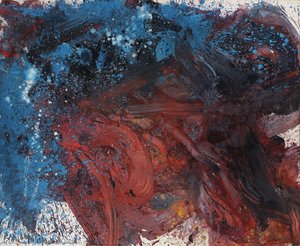
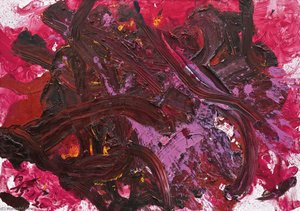
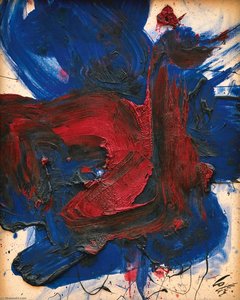
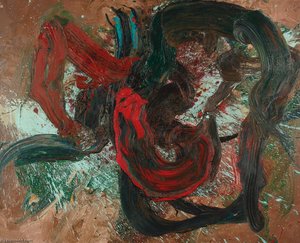
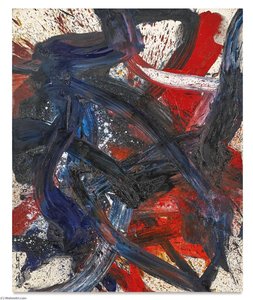
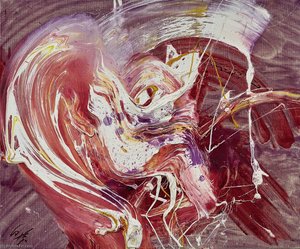
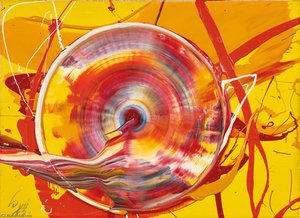
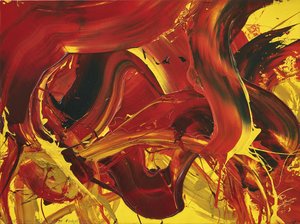
To witness a Shiraga painting is to encounter a battlefield of color and texture. His works from the height of the Gutai years are characterized by an intense, gestural impasto that captures the momentum of his movements. The swirling blues, fiery reds, and deep blacks do not sit passively on the canvas; they collide, drip, and overlap in a way that evokes a sense of cosmic struggle. This technique was deeply intertwined with his personal evolution, particularly his later conversion to Buddhism. As he matured, the chaotic energy of his early performance pieces began to reflect a deeper spiritual journey—a search for transformation and renewal amidst the flux of existence. Works such as Fire of Dattan serve as profound testaments to this, where vibrant compositions evoke the idea of a soul undergoing a metamorphosis through fire and light.
Beyond the sheer physicality of his work, Shiraga’s significance lies in how he redefined the boundaries of what art could be. He was a pioneer who refused to be confined by the frame, exploring:
- Performance Art: Using the body as a tool to leave indelible marks on the world.
- Three-Dimensionality: Moving beyond the flat surface to engage with installations and object-making.
- Materiality: Treating paint not just as color, but as a heavy, sculptural substance that possesses its own weight and agency.
Through his radical experimentation, Kazuo Shiraga did more than just invent a new way to paint; he challenged the very definition of the artist's role in society. He moved the focus from the finished product to the process of creation, ensuring that the traces of human struggle and movement remained forever etched in the pigment. His legacy remains a cornerstone of modern art history, reminding us that true creativity often requires us to break our tools, abandon our comforts, and engage with the world with our whole, uninhibited selves.
kazuo shiraga
1924 - 2008
Quick Facts
- Artistic Movement Or Style: Gutai Art Association
- Artists Or Movements Influenced By This Artist: ['Yves Klein']
- Artists Who Influenced This Artist: ['Kazuo Shiraga']
- Date Of Birth: 1928
- Date Of Death: 2015
- Full Name: Fujiko Shiraga
- Nationality: Japanese
- Notable Artworks: ['White Plank']
- Place Of Birth: Osaka, Japan