 Preview
 Send
Send Share
Share
 Details

 Download
 Similars
 X-Ray
X-Ray Diaporama
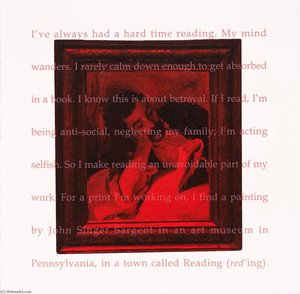
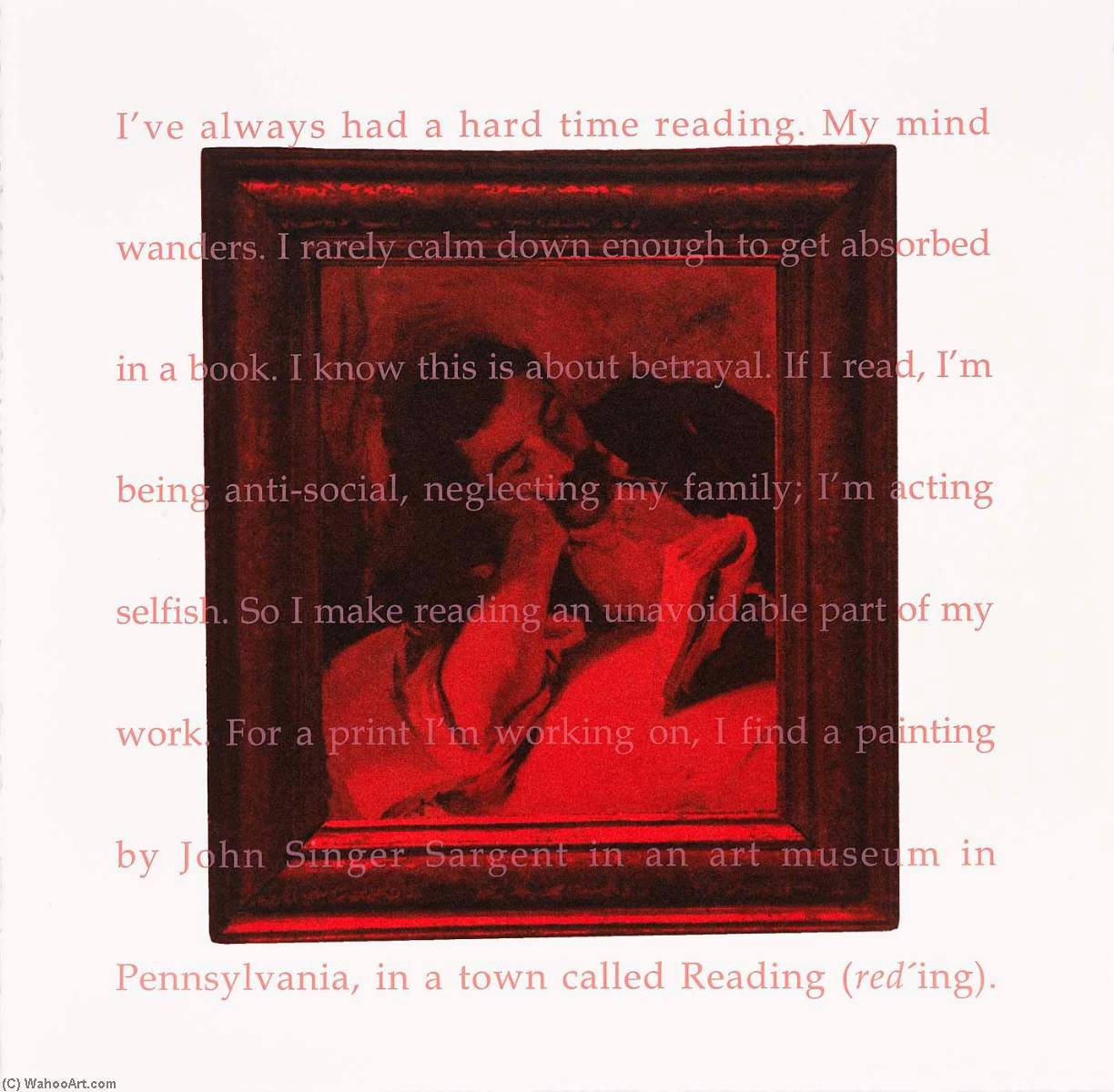
I've Always Had a Hard Time Reading, from the portfolio Red Read
 1998
1998 56.0 x 57.0 cm
 Read More
Hand Made Oil Reproduction
Hand-painted oil on canvas in your size and frame, made to order by our artists. ( Buy Print Buy Image)




































Pick from our preset sizes that match the artwork's original proportions.

You may enter your own dimensions to fit a specific frame or space. If your selected size does not match the original image's proportions, we will either crop the artwork or extend the painting with additional hand-painted elements. A digital mockup will be sent for your approval before production begins.
Please note that the on-screen preview does not reflect the actual cropping or extension. Only the mockup will accurately show the final composition.
While custom sizes are available, we recommend selecting a dimension from the predefined list to preserve the original proportions.
After order, ArtsDot.com team will email client for instructions and provide a mockup preview
Worldwide Delivery () in 3/4 weeks instead of standard 5 weeks. (28 August). No compromise on quality.

Free Worldwide Express Shipping

High-Quality Linen Canvas

Full Shipping Insurance

Customs Tax Refund Guarantee

True Color Matching Guarantee

60-Day Return Policy (Defects Only)

100% Money-Back Guarantee

Bulk Discount Offer
 Glass option is only available in size under 110 CM

I've Always Had a Hard Time Reading, from the portfolio Red Read
Reproduction Medium
Reproduction Size
-


Total Price
$ 263
Related Artworks









Artist Biography
Ken Aptekar: A Painter of Echoes and Reflections
Ken Aptekar’s art is a captivating dialogue across time, weaving together the tangible realities of historical painting with the ephemeral nature of contemporary experience. Born in Detroit in 1950, his journey as an artist began with a formal education at the University of Michigan and Pratt Institute, laying the groundwork for a career defined by meticulous craftsmanship and profound conceptual inquiry. Aptekar isn’t simply replicating the past; he's actively engaging with it, inviting viewers to participate in a layered conversation that transcends mere representation.
Early influences were rooted in a deep appreciation for traditional painting techniques, honed during his formative years. However, a pivotal shift occurred when Aptekar began incorporating text into his work – initially as simple annotations on historical paintings, but quickly evolving into complex, interwoven narratives. This marked a departure from purely visual storytelling, introducing a crucial element of interpretation and demanding that the viewer actively engage with the artwork’s meaning. His early explorations mirrored a broader trend in conceptual art, questioning the very nature of artistic creation and challenging established notions of authorship and originality.
The Red Read Portfolio: A Meditation on Memory and Emotion
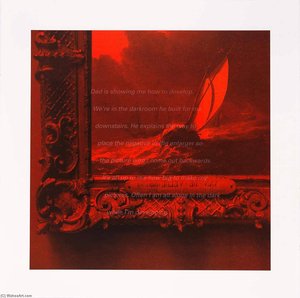
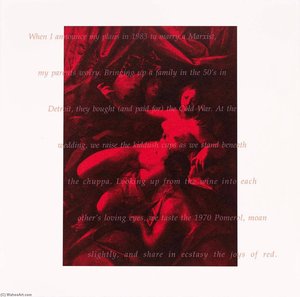
Aptekar's most celebrated body of work, the “Red Read” portfolio, exemplifies this approach. These meticulously crafted paintings are not straightforward reproductions but rather reinterpretations of iconic historical portraits – primarily those depicting Madame de Pompadour, Louis XV’s mistress. He doesn’t merely copy; he transforms, layering his own observations and responses onto the original imagery. The canvases are then bolted to glass, inscribed with text in a striking black-letter typeface (Textura), creating a compelling juxtaposition of image and word.
The portfolio's title itself – “Red Read” – hints at the layered meanings embedded within each piece. “Red,” often associated with passion, intensity, and even danger, suggests an emotional core beneath the surface. "Read" implies a process of interpretation, inviting the viewer to actively decode the combined visual and textual elements. The act of reading becomes integral to experiencing the artwork, shifting it from a passive viewing experience to an active engagement.
The choice of text is particularly significant. Aptekar doesn’t offer definitive answers or historical context; instead, he presents fragments – snippets of personal reflections, observations, and even seemingly random phrases. These textual elements serve as prompts, encouraging viewers to construct their own narratives and connect the artwork to their own memories and experiences. As Aptekar himself describes it, “I stumbled into this rather neglected art form, my manuscripts reflected my intense desire to communicate something of our radically changed lives.”
Technique and Process: Illuminated Manuscripts and Digital Echoes
Aptekar’s artistic process is characterized by a remarkable blend of traditional and contemporary techniques. He began his exploration with meticulous oil painting, painstakingly recreating the details of historical portraits. However, he soon realized that the inherent limitations of paint – its static nature and inability to convey dynamic information – demanded a complementary approach. This led him to experiment with illuminated manuscripts, utilizing gouache, gold leaf, and calligraphy pens to create intricate visual narratives.
More recently, Aptekar has embraced digital tools, incorporating elements of social media—specifically Instagram—into his work. He’s drawn parallels between the ephemeral nature of online communication and the fleeting moments captured in illuminated manuscripts, creating a fascinating dialogue between the past and present. This shift reflects a broader trend in contemporary art – the blurring of boundaries between traditional and digital mediums and the exploration of new forms of visual storytelling.
Recognition and Legacy: A Voice for the Spectator
Ken Aptekar’s work has been exhibited extensively throughout Europe and North America, garnering critical acclaim and establishing him as a significant voice in contemporary art. He's received numerous awards and fellowships, including NEA Fellowships in Painting, a Mid-Atlantic Arts Foundation Award, and a Pollock-Krasner Award. His survey exhibition at the Kemper Museum of Contemporary Art in Kansas City in 2002 cemented his place as a leading figure in the field.
Aptekar’s enduring legacy lies not just in his technical skill or his innovative use of materials, but also in his profound exploration of the role of the spectator. He consistently challenges viewers to actively participate in the creation of meaning, recognizing that art is not simply something to be observed but something to be experienced and interpreted. His work invites us to consider our own relationship with history, memory, and the ever-evolving landscape of contemporary culture – a testament to his enduring vision.
ken aptekar
1950 -
Quick Facts
- Artistic Movement Or Style: Contemporary Painting
- Artists Or Movements Influenced By This Artist:
- Alois Riegl
- Ernst Kris
- Ernst Gombrich
- Artists Who Influenced This Artist: ['Philip Guston']
- Date Of Birth: 1950
- Full Name: Ken Aptekar
- Nationality: British
- Notable Artworks:
- Red Read Portfolio
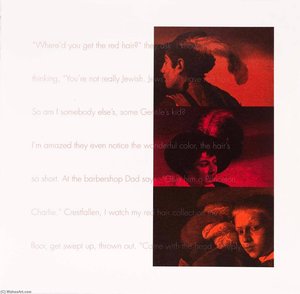
- Where'd You Get the Red Hair
- Place Of Birth: Detroit, Michigan