 Preview
 Send
Send Share
Share
 Details

 Download
 Similars
 X-Ray
X-Ray Diaporama
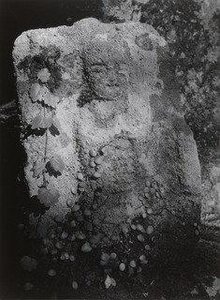
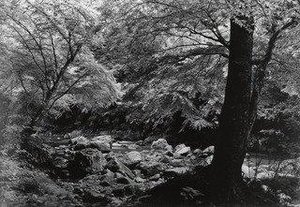
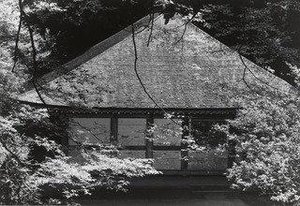
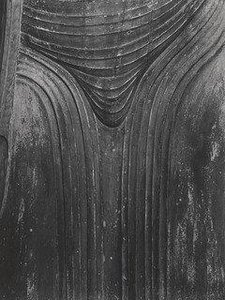
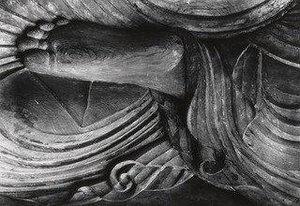
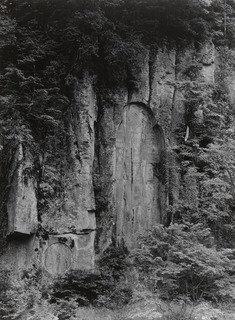
The Figure of Miroku (Summer)
 1940
1940 33.0 x 24.0 cm
 Read More
Hand Made Oil Reproduction
Hand-painted oil on canvas in your size and frame, made to order by our artists. ( Buy Print Buy Image)




































Pick from our preset sizes that match the artwork's original proportions.

You may enter your own dimensions to fit a specific frame or space. If your selected size does not match the original image's proportions, we will either crop the artwork or extend the painting with additional hand-painted elements. A digital mockup will be sent for your approval before production begins.
Please note that the on-screen preview does not reflect the actual cropping or extension. Only the mockup will accurately show the final composition.
While custom sizes are available, we recommend selecting a dimension from the predefined list to preserve the original proportions.
After order, ArtsDot.com team will email client for instructions and provide a mockup preview
Worldwide Delivery () in 3/4 weeks instead of standard 5 weeks. (25 August). No compromise on quality.

Free Worldwide Express Shipping

High-Quality Linen Canvas

Full Shipping Insurance

Customs Tax Refund Guarantee

True Color Matching Guarantee

60-Day Return Policy (Defects Only)

100% Money-Back Guarantee

Bulk Discount Offer
 Glass option is only available in size under 110 CM

The Figure of Miroku (Summer)
Reproduction Medium
Reproduction Size
-


Total Price
$ 263
Related Artworks




Artist Biography
A Life Etched in Realism: The Journey of Ken Domon
Born into a world of economic hardship in Sakata, Yamagata Prefecture, in 1909, Ken Domon’s early life was one of constant movement and familial reliance on his grandparents. This itinerant upbringing instilled within him a keen observational sensibility, a trait that would become the cornerstone of his remarkable photographic career. Though initially drawn to painting, Domon found himself struggling to establish a foothold in the art world. However, this period wasn’t without its value; it honed his eye for composition and detail – skills he would later masterfully translate into the realm of photography. A brief foray into law at Nihon University was cut short by political activism leading to expulsion, an event that perhaps solidified his commitment to observing and documenting the realities around him, a path ultimately shaped by the philosophical writings of Tetsuro Watsuji.From Apprenticeship to Witness: Forging a Photographic Vision
Domon’s formal entry into photography began in 1933 with an apprenticeship at Kotaro Miyauchi Photo Studio. This marked a pivotal shift, and he quickly absorbed the technical aspects of his new craft. His subsequent association with Nippon Kōbō from 1935 proved formative. Working under Natori Yōnosuke, Domon contributed to the magazine *Nippon*, documenting Japanese culture for Western audiences. It was during this period that he began to develop a distinctive style – one rooted in unflinching realism. Even amidst the rising tide of nationalistic fervor and his subsequent work with Kokusai Bunka Shinkōkai, a propaganda organization during World War II, Domon’s commitment to capturing truth remained paramount. He rejected contrived or overly artistic approaches, striving for what he termed “an absolute snapshot that is absolutely not dramatic.” This dedication to authenticity would define his post-war career and establish him as a leading figure in Japanese photojournalism.Bearing Witness: Post-War Documentation and the Human Condition
The aftermath of World War II became Domon’s defining subject matter. He turned his lens towards the devastation and resilience of Japan, documenting the struggles of ordinary people with raw honesty. His photographs of Hiroshima survivors are particularly poignant, offering a stark and unforgettable portrayal of human suffering. Equally impactful were his series on the communities in Chikuhō, Kyūshū, capturing the harsh realities of life for coal miners and their families. These weren’t merely images; they were testimonies to the enduring spirit of humanity amidst unimaginable hardship. This commitment to social commentary wasn't about sensationalism but a deep-seated desire to bear witness and give voice to those often marginalized or forgotten.The Pilgrimage and Legacy: A Monumental Undertaking
While his post-war documentation cemented his reputation, it was the *Koji Junrei* series (1963–1975) that truly solidified Domon’s place in photographic history. This monumental project involved photographing Japan's traditional Buddhist temples and statuary over a period of twelve years. Unlike fleeting visits, Domon immersed himself in each location, spending extended periods to capture the essence of these sacred spaces. He wasn’t simply documenting architecture or religious artifacts; he was seeking to understand their cultural significance and spiritual power. Despite suffering strokes in 1960 and 1968 that limited his physical abilities, Domon persevered, continuing to travel and document Japan's rich heritage. His dedication earned him numerous accolades, including the Mainichi Photography Award, Photographer of the Year from the Japan Photo Critics Association, and the Award of Arts from the Ministry of Education. The establishment of the Domon Ken Museum of Photography in his hometown of Sakata in 1983 stands as a lasting tribute to his life’s work, ensuring that his vision continues to inspire generations of photographers. He remains remembered not only as a pioneering photojournalist but also as a master of realism whose photographs offer profound insights into Japanese society and culture – a legacy enshrined through the museum and the annual Domon Ken Award recognizing excellence in photography.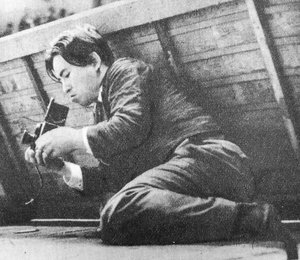
Ken Domon
1909 - 1990 , Japan
Quick Facts
- Artistic Movement Or Style: Realism, Photojournalism
- Artists Or Movements Influenced By This Artist: ['Japanese Photography']
- Artists Who Influenced This Artist: ['Tetsuro Watsuji']
- Date Of Birth: 1909-10-25
- Date Of Death: 1990-09-15
- Full Name: Ken Domon
- Nationality: Japanese
- Notable Artworks:
- Koji Junrei
- Hiroshima photos
- Place Of Birth: Sakata, Japan