 Preview
 Send
Send Share
Share
 Details

 Download
 Similars
 X-Ray
X-Ray Diaporama
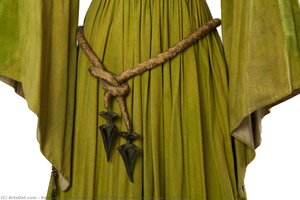
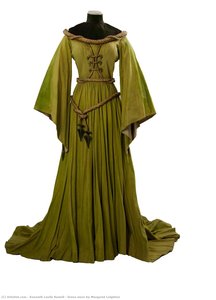
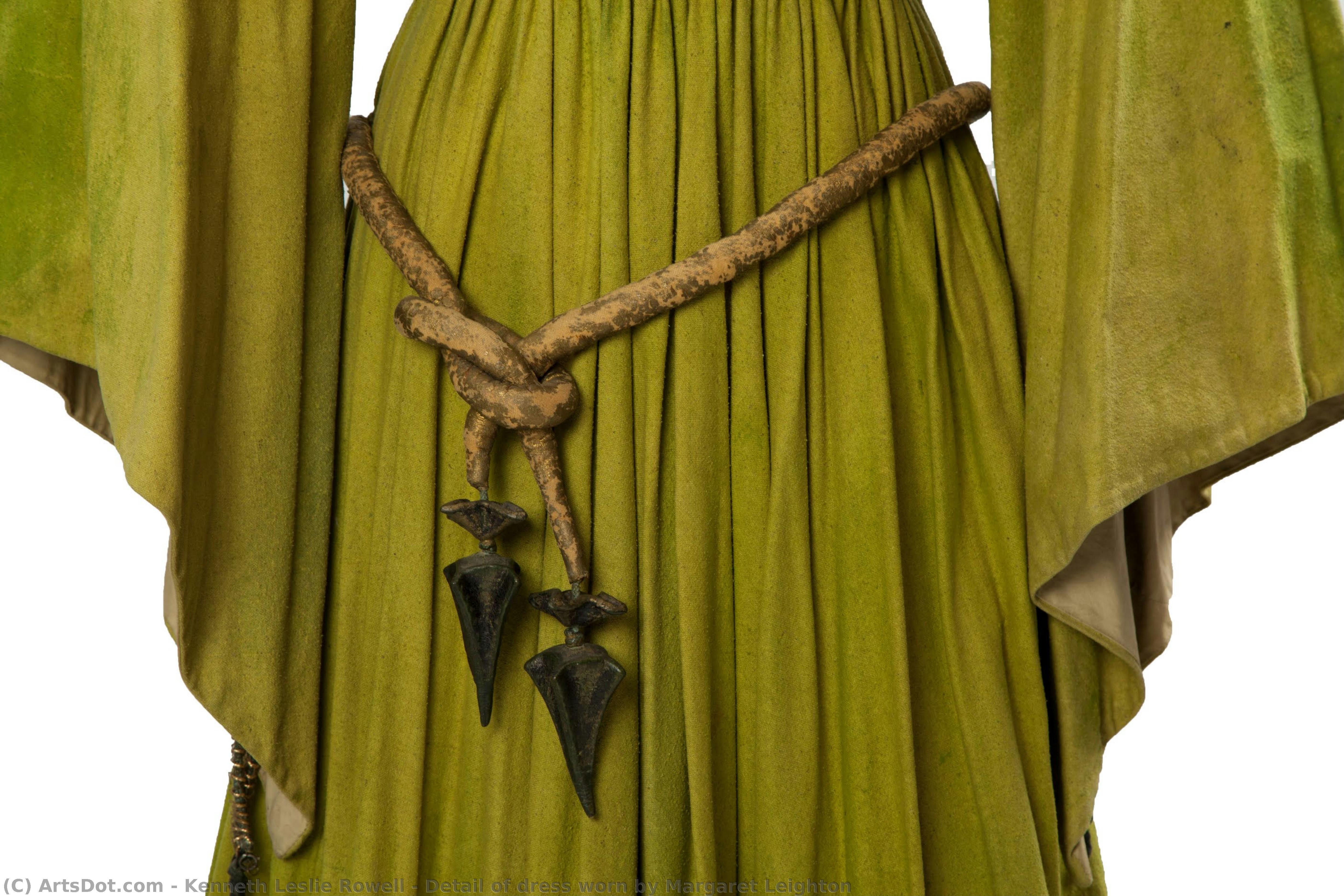
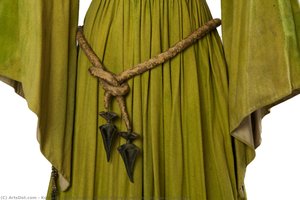
Detail of dress worn by Margaret Leighton
 Contemporary Realism
 1952
1952- Modern
 154.0 x 84.0 cm
 Royal Shakespeare Company
 Read More
Hand Made Oil Reproduction
Hand-painted oil on canvas in your size and frame, made to order by our artists. ( Buy Print Buy Image)




P118B $10

P118H $10

P118W $10

P438Z $10

P508JH $12

P508YH $12

P805H $10

P805Z $10

P919BZ $10

P919G $10

P919XJ $10

P959ZH $10

P968JZ $12

W106C $8

W218G $10

W218JH $8

W218Y $10

W307PJ $10

W316G $10

W316PJ $8

W316Y $10

W398PJ $8

W4111J $10

W500HY $15

W500JH $15

W692G $12

W849H $8

W940BG $15

W953PJ $8




Pick from our preset sizes that match the artwork's original proportions.

You may enter your own dimensions to fit a specific frame or space. If your selected size does not match the original image's proportions, we will either crop the artwork or extend the painting with additional hand-painted elements. A digital mockup will be sent for your approval before production begins.
Please note that the on-screen preview does not reflect the actual cropping or extension. Only the mockup will accurately show the final composition.
While custom sizes are available, we recommend selecting a dimension from the predefined list to preserve the original proportions.
After order, ArtsDot.com team will email client for instructions and provide a mockup preview
Worldwide Delivery () in 3/4 weeks instead of standard 5 weeks. (5 September). No compromise on quality.

Free Worldwide Express Shipping

High-Quality Linen Canvas

Full Shipping Insurance

Customs Tax Refund Guarantee

True Color Matching Guarantee

60-Day Return Policy (Defects Only)

100% Money-Back Guarantee

Bulk Discount Offer
 Glass option is only available in size under 110 CM

Detail of dress worn by Margaret Leighton
Reproduction Medium
Reproduction Size
-


Total Price
$ 263
A Tapestry of Texture and Elegance
In this exquisite close-up detail of Kenneth Leslie Rowell’s 1952 masterpiece, we are invited into an intimate world where fashion meets fine art. The focus rests upon the lush, verdant folds of a green dress worn by Margaret Leighton, a garment that seems to pulse with life through its rich, saturated hues. As the eye wanders across the fabric, one is struck by the meticulous attention to texture; the artist captures the weight and sheen of the material with such precision that the viewer can almost feel the cool touch of the silk. A delicate chain rests around the neck, adding a glimmer of sophistication that anchors the composition, while the subtle presence of birds—one drifting on the left and another perched near the upper periphery—introduces a sense of natural whimsy to the scene.
The composition is masterfully balanced, utilizing a tight frame to create a sense of profound closeness. By stripping away the broader landscape, Rowell forces us to confront the tactile reality of the subject. The inclusion of a knife near the center introduces a sudden, intriguing tension—a sharp contrast to the soft elegance of the attire. This juxtaposition of beauty and potential danger creates a narrative mystery, prompting the observer to wonder about the story unfolding just beyond the edges of the frame. It is this very complexity that makes the piece so captivating for those who appreciate art that whispers secrets rather than shouting them.
The Visionary Hand of Kenneth Leslie Rowell
To understand the brilliance of this detail, one must consider the unique lineage of its creator. Kenneth Leslie Rowell was not merely a painter; he was a pioneer of theatricality. His background in ballet and opera costume design is palpably present in every brushstroke seen here. He possessed an unparalleled ability to translate the movement of fabric and the drama of stage lighting into a static medium. In this work, his training as a window dresser and designer manifests in a heightened sense of color harmony and a dramatic use of light that breathes life into the emerald tones of the dress.
For the discerning collector or interior designer, this piece offers more than just visual appeal; it offers an atmosphere of curated luxury. The painting serves as a focal point that can anchor a room, bringing with it a sense of mid-century sophistication and Australian artistic heritage. Whether placed in a contemporary gallery setting or a classic study, the work’s ability to evoke emotion through texture and subtle symbolism makes it a timeless acquisition. It is an invitation to pause, to look closer, and to lose oneself in the intricate dance of light, shadow, and silk.
Related Artworks
Artist Biography
The Formative Eye: From Window Dressing to Fine Art
Kenneth Leslie Rowell stands as a singular figure in the tapestry of Australian art history, a man whose creative spirit bridged the gap between the ephemeral magic of the stage and the enduring permanence of the canvas. Born in Melbourne in 1920, his artistic journey did not begin in the hallowed halls of an academy, but rather through the tactile, visual discipline of a window dresser’s apprenticeship. This humble beginning proved to be a profound education; it nurtured a keen, meticulous eye for the interplay of light, color, and form, teaching him how to command attention through texture and composition.His early years were deeply influenced by his fascination with the National Gallery of Victoria, an encounter that ignited a lifelong ambition to translate visual splendor into tangible reality. This period of discovery laid the groundwork for a career defined by a unique dual identity: a master of theatrical costume and a pioneer of landscape expressionism. Rowell possessed the rare ability to see the drama inherent in a still object and the structural elegance within a natural vista, a skill that would eventually lead him from the streets of Melbourne to the grand theaters of London.
A Global Stage: The London Years and The-atrical Mastery
The trajectory of Rowell’s life underwent a transformative shift in 1950 when he was awarded a prestigious British Council scholarship. This opportunity propelled him to London, where he immersed himself in the vibrant European avant-garde and established a prolific career spanning over four decades. In the heart of the international theater scene, Rowell became a vital collaborator for numerous productions across ballet, opera, and drama. His work was never merely about clothing; it was about the creation of character through fabric.Upon his return to Australia, his influence became foundational to the nation's burgeoning cultural identity. He became intimately associated with the Australian Ballet during its most iconic eras, crafting the visual language for legendary productions such as Copellia, Giselle, and the historic debut of Sleeping Beauty at the Sydney Opera House. His collaborations with the legendary choreographer Robert Helpmann were particularly significant, marking a period where Australian performance art began to command global respect. Through his costume designs, Rowell captured the very essence of movement, using saturated hues and intricate textures to breathe life into the dancers' performances.
The Synthesis of Movement and Landscape
As his career matured, Rowell’s artistry underwent a beautiful evolution, as he began to apply the dramatic sensibilities of the stage to the natural world. This period saw the emergence of his landscape expressionism, a style that mirrored the depth and tension found in his theatrical works. In his paintings, one can observe the same meticulous attention to detail seen in his 1952 masterpiece, Dress worn by Margaret Leighton. Just as he captured the lush, verdant folds of silk and the delicate shimmer of a chain, his landscapes utilized light and shadow to create a sense of profound, almost sculptural, presence.Rowell’s legacy lies in this extraordinary synthesis of disciplines. He did not see a boundary between the theatrical and the natural; rather, he saw a continuous spectrum of expression. Whether he was designing a garment that whispered secrets of character or painting a landscape that echoed the drama of the earth, his work remained anchored in a deep respect for texture, light, and the emotional resonance of color. He remains a celebrated figure whose work continues to inspire, reminding us that art is most powerful when it captures the movement of life itself.
kenneth leslie rowell
1920 - 1999 , Australia
Quick Facts
- Artistic Movement Or Style: Expressionist Art
- Date Of Birth: 1920
- Date Of Death: 1999
- Full Name: Kenneth Leslie Rowell
- Nationality: Australian
- Notable Artworks:
- Costume design for Witch
- Dress worn by Margaret Leighton
- Place Of Birth: Melbourne, Australia
Related Articles
Verdant Visions: Exploring the Symbolism & Aesthetic Impact of Green in Art History
Explore the rich history & symbolism of green in art! Discover iconic paintings, techniques, and how to bring verdant harmony into your home with ArtsDot's expert guide.
Chrome Green Masterpieces: 10 Famous Paintings & Their Alluring Hues |
Explore 10 famous paintings where 'Chrome Green' reigns supreme! Discover Monet, Manet & Van Gogh’s masterpieces. Learn the stories behind these iconic artworks and find museum-quality art reproductions for your home at .
Emerald Visions: Top 10 Paintings Dominated by Cadmium Green |
Explore 10 iconic paintings where cadmium green reigns supreme! From Monet to Van Gogh, discover the stories behind these masterpieces & the power of color. Find museum-quality art reproductions and elevate your home decor on .
Seafoam & Masterpieces: 10 Paintings Dominated by Medium Sea Green | ArtsDot
Dive into serenity with 10 famous paintings bathed in calming medium sea green. Explore Impressionist masterpieces by Monet, Degas & Renoir. Find museum-quality art reproductions and elevate your home decor at ArtsDot.com.
Sage Green Masterpieces: 10 Famous Paintings & Timeless Decor Inspiration
Explore 10 famous paintings dominated by serene sage green tones! Discover Monet, Renoir & Manet masterpieces. Learn art history & find museum-quality reproductions for your home decor on .