 Preview
 Send
Send Share
Share
 Details

 Download
 Similars
 X-Ray
X-Ray Diaporama
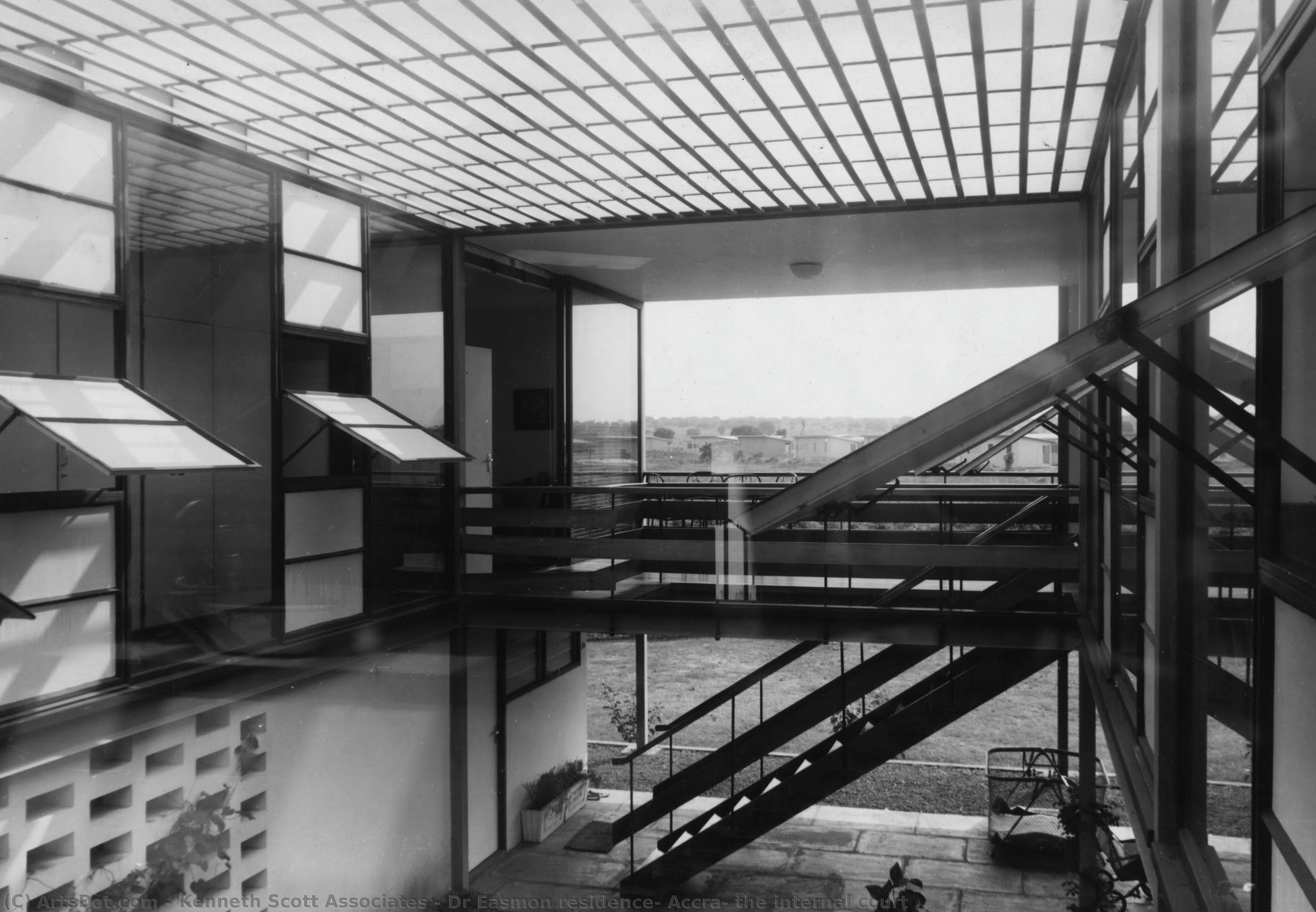
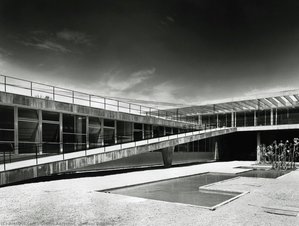
Dr Easmon residence, Accra: the internal court


 Read More
Hand Made Oil Reproduction
Hand-painted oil on canvas in your size and frame, made to order by our artists. ( Buy Print Buy Image)




































Pick from our preset sizes that match the artwork's original proportions.

You may enter your own dimensions to fit a specific frame or space. If your selected size does not match the original image's proportions, we will either crop the artwork or extend the painting with additional hand-painted elements. A digital mockup will be sent for your approval before production begins.
Please note that the on-screen preview does not reflect the actual cropping or extension. Only the mockup will accurately show the final composition.
While custom sizes are available, we recommend selecting a dimension from the predefined list to preserve the original proportions.
After order, ArtsDot.com team will email client for instructions and provide a mockup preview
Worldwide Delivery () in 3/4 weeks instead of standard 5 weeks. (26 August). No compromise on quality.

Free Worldwide Express Shipping

High-Quality Linen Canvas

Full Shipping Insurance

Customs Tax Refund Guarantee

True Color Matching Guarantee

60-Day Return Policy (Defects Only)

100% Money-Back Guarantee

Bulk Discount Offer
 Glass option is only available in size under 110 CM

Dr Easmon residence, Accra: the internal court
Reproduction Medium
Reproduction Size
-


Total Price
$ 263
Related Artworks







Artist Biography
A Pioneer of Post-Colonial Ghanaian Architecture: The Vision of Kenneth Scott Associates
Kenneth Mackenzie Scott, born in 1918 in Sydney, Australia, was a figure whose influence resonated far beyond his antipodean origins. Though initially trained as an architect in Australia – graduating from the University of Sydney in 1940 – it was his subsequent journey to Ghana that would define his legacy and indelibly shape the architectural landscape of a nation forging its own identity after decades of colonial rule. Scott’s story is one of adaptation, innovation, and a deep commitment to reflecting the aspirations of a newly independent people through the built environment.
After gaining initial experience in Australia and a period working with the Ministry of Works in England following World War II, Scott arrived in Ghana in 1947. Recognizing the urgent need for modern infrastructure that both served practical purposes and embodied a distinctly Ghanaian aesthetic, he established the architectural firm Kenneth Scott Associates. This wasn’t merely a professional undertaking; it was an act of cultural construction. He quickly became immersed in the local context, understanding the climate, materials, and social needs of the communities he sought to serve.
Forging a New Architectural Identity
The 1960s and 70s witnessed Scott’s most prolific period, an era where Ghana, under Kwame Nkrumah's leadership, embarked on ambitious nation-building projects. Scott was arguably the central figure in realizing this vision. He wasn’t simply transplanting Western architectural styles; he actively sought to synthesize modern principles with traditional Ghanaian forms and building techniques. This approach resulted in structures that were both functional and deeply rooted in their cultural surroundings. His designs moved away from the often-imposing colonial architecture, embracing open spaces, natural ventilation, and locally sourced materials – a response to the tropical climate and a conscious rejection of past architectural norms.
Scott’s influence extended beyond individual buildings; he played a pivotal role in establishing the professional framework for architecture in Ghana. As a founding member of the Ghana Institute of Architects, and serving as its Vice President and Secretary from 1960 to 1970, he championed standards of practice and fostered a new generation of Ghanaian architects. He understood that sustainable architectural development required not only innovative designs but also a robust professional infrastructure.
Landmark Achievements & Enduring Legacy
The breadth of Scott’s work is remarkable. Perhaps his most iconic commission was the official residence of President Kwame Nkrumah, a building designed to symbolize Ghana's sovereignty and progress. However, his contributions extended far beyond this single landmark. He designed educational institutions – including schools at the University of Science and Technology (UST) – cultural centers, military facilities, sports complexes like the Kumasi Sports Stadium, recreational spaces, and healthcare infrastructure such as extensions to Korle-Bu Teaching Hospital. The Dr Easmon residence in Accra, with its innovative internal courtyard design, exemplifies his sensitivity to climate and social interaction.
Scott’s buildings weren't just structures; they were statements of national pride and ambition. He created spaces that fostered community, celebrated Ghanaian culture, and facilitated the growth of a modern nation. His work is characterized by a bold use of form, an emphasis on functionality, and a deep understanding of the local context.
An Unsung Genius
Despite his profound impact, Kenneth Scott Associates remains relatively unknown outside of Ghana. This is perhaps due to his modest personality and his focus on serving the needs of the nation rather than seeking personal acclaim. However, it’s undeniable that he was the driving force behind much of the public architecture still in use today – a testament to the quality and enduring relevance of his designs. His legacy continues to inspire architects across Africa, demonstrating the power of architecture to shape identity, foster community, and build a better future.
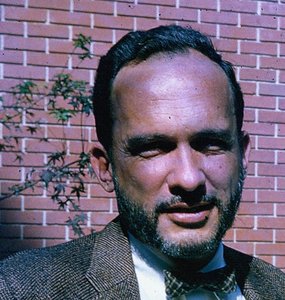
kenneth scott associates
1918 - 1981 , Australia
Quick Facts
- Artistic Movement Or Style: Post-Colonial Design
- Artists Or Movements Influenced By This Artist: ['Ghanaian Architecture']
- Date Of Birth: 1918
- Date Of Death: 1981
- Full Name: Kenneth Mackenzie Scott
- Nationality: Australian/Ghanaian
- Notable Artworks:
- Dr Easmon Residence
- Kwame Nkrumah Residence
- Korle-Bu Hospital Units
- Place Of Birth: Sydney, Australia