 Preview
 Send
Send Share
Share
 Details

 Download
 Similars
 X-Ray
X-Ray Diaporama
 Stats
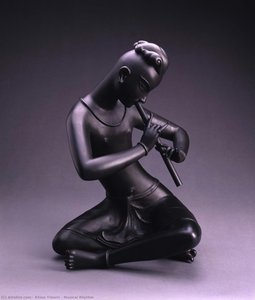
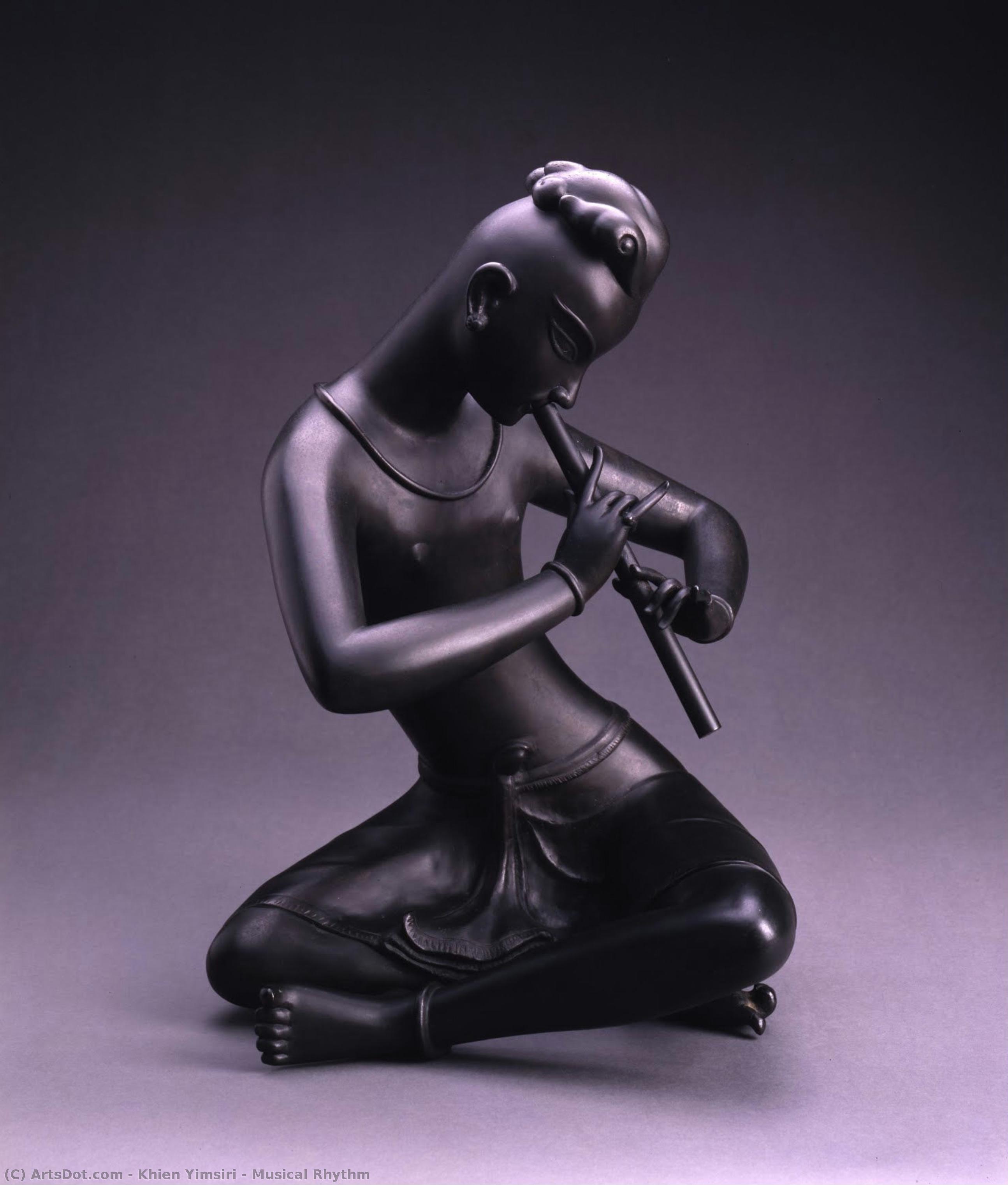
StatsMusical Rhythm
 39.0 x 53.0 cm
 Fukuoka Asian Art Museum
 Read More
Hand Made Oil Reproduction
Hand-painted oil on canvas in your size and frame, made to order by our artists. ( Switch to Print Switch to Digital Image)




































Pick from our preset sizes that match the artwork's original proportions.

You may enter your own dimensions to fit a specific frame or space. If your selected size does not match the original image's proportions, we will either crop the artwork or extend the painting with additional hand-painted elements. A digital mockup will be sent for your approval before production begins.
Please note that the on-screen preview does not reflect the actual cropping or extension. Only the mockup will accurately show the final composition.
While custom sizes are available, we recommend selecting a dimension from the predefined list to preserve the original proportions.
After order, ArtsDot.com team will email client for instructions and provide a mockup preview
Worldwide Delivery () in 3/4 weeks instead of standard 5 weeks. (8 September). No compromise on quality.

Free Worldwide Express Shipping

High-Quality Linen Canvas

Full Shipping Insurance

Customs Tax Refund Guarantee

True Color Matching Guarantee

100-Day Return Policy (Defects Only)

100% Money-Back Guarantee

Bulk Discount Offer
 Glass option is only available in size under 110 CM

Musical Rhythm
Reproduction Medium
Reproduction Size
-


Total Price
$ 263
Related Artworks








Artist Biography
Khien Yimsiri: A Rhythm of Thai Modernity
Born in Bangkok, Thailand in 1922, Khien Yimsiri’s life and artistic journey represent a pivotal moment in the evolution of Thai sculpture. He wasn't merely an artist; he was a teacher, a mentor, and a catalyst for change within the burgeoning field of modern art in his homeland. Yimsiri’s legacy extends far beyond the individual pieces he created, profoundly influencing generations of sculptors at Silpakorn University, Bangkok – the very institution that nurtured his own talent.
Yimsiri's artistic education began with a rigorous foundation at Rongrian Praneetsilapakam (School of Fine Arts, now Silpakorn University) in 1941. This early training instilled within him a deep appreciation for traditional Thai aesthetics and techniques. However, his ambition extended beyond simply preserving the past; he sought to synthesize these influences with the innovative currents sweeping through European art at the time. This desire led him to further his studies at the Academy of Fine Arts of Rome from 1953 to 1954, an experience that exposed him to a wealth of Western artistic traditions – particularly the semi-abstract sculptures gaining prominence during that era.
A significant turning point in Yimsiri’s career came with his time studying under Henry Moore at Chelsea College of Art and Design in London. This immersion in British modernism, characterized by its exploration of form and space, undoubtedly shaped his approach to sculpture. He was particularly drawn to the dynamic, often biomorphic forms that defined Moore's work – a departure from the more static representations prevalent in much of Thai art at the time.
The Language of Rhythm and Form
Yimsiri’s sculptures are immediately recognizable for their distinctive rhythmic quality. He masterfully employed repetition, variation, and asymmetry to create works that seem to pulse with an internal energy. His pieces aren't static objects; they invite the viewer to engage in a dynamic dialogue, interpreting the interplay of shapes and lines. This emphasis on rhythm is deeply rooted in Thai concepts of balance and harmony – principles often found within traditional dance and music.
Influenced by both Western abstraction and his native heritage, Yimsiri drew inspiration from a diverse range of sources. He frequently referenced elements of Buddhist iconography—Buddha statues, spiritual dolls, terracotta toys, and votive tablets—but transformed these familiar motifs into strikingly modern forms. The Sukhothai era (1238–1438) provided a rich source of imagery, with its intricate detailing and symbolic representations offering a compelling contrast to the more streamlined aesthetic of his Western influences.
A Bridge Between Tradition and Modernity
Khien Yimsiri’s work represents a crucial bridge between Thailand's rich artistic traditions and the burgeoning world of modern art. He skillfully navigated the complexities of cultural exchange, absorbing the lessons of European masters while retaining a distinctly Thai sensibility. His ability to synthesize these seemingly disparate influences is what truly sets his work apart.
During the 1940s, Thailand experienced a revival of traditionalism, and Yimsiri’s work at the Fine Art Department provided him with the opportunity to explore this heritage. He skillfully blended elements of Thai cultural heritage with Western semi-abstract sculptures, creating a unique artistic voice that resonated deeply within the Thai art community.
Legacy and Influence
Khien Yimsiri tragically died in 1971, but his impact on Thai sculpture remains profound. He wasn't just a sculptor; he was an educator who shaped the careers of countless students at Silpakorn University. His emphasis on experimentation, abstraction, and rhythmic form continues to inspire artists today. The research conducted by Thanavi Chotpradit highlights Yimsiri’s pivotal role in introducing modern sculptural techniques to Thailand, solidifying his place as a true pioneer of Thai art.
His work is documented through various sources, including Instagram posts that showcase the dynamism and expressive power of his sculptures. Further research available on Routledge Encyclopedia of Modernism confirms his status as a key figure in the development of modern Thai sculpture. His contribution to ArtBangkok.com provides valuable insight into his artistic practice and recognition within the local art scene.

khien yimsiri
1922 - 1971 , Thailand
Quick Facts
- Artistic Movement Or Style: Modern Thai Sculpture
- Artists Who Influenced This Artist:
- Henry Moore
- Silpa Bhirasri
- Date Of Birth: 1922
- Date Of Death: 1971
- Full Name: Khien Yimsiri
- Nationality: Thai
- Place Of Birth: Bangkok, Thailand