

 Preview
 Send
Send Share
Share
 Details

 Download
 Similars
 X-Ray
X-Ray Diaporama
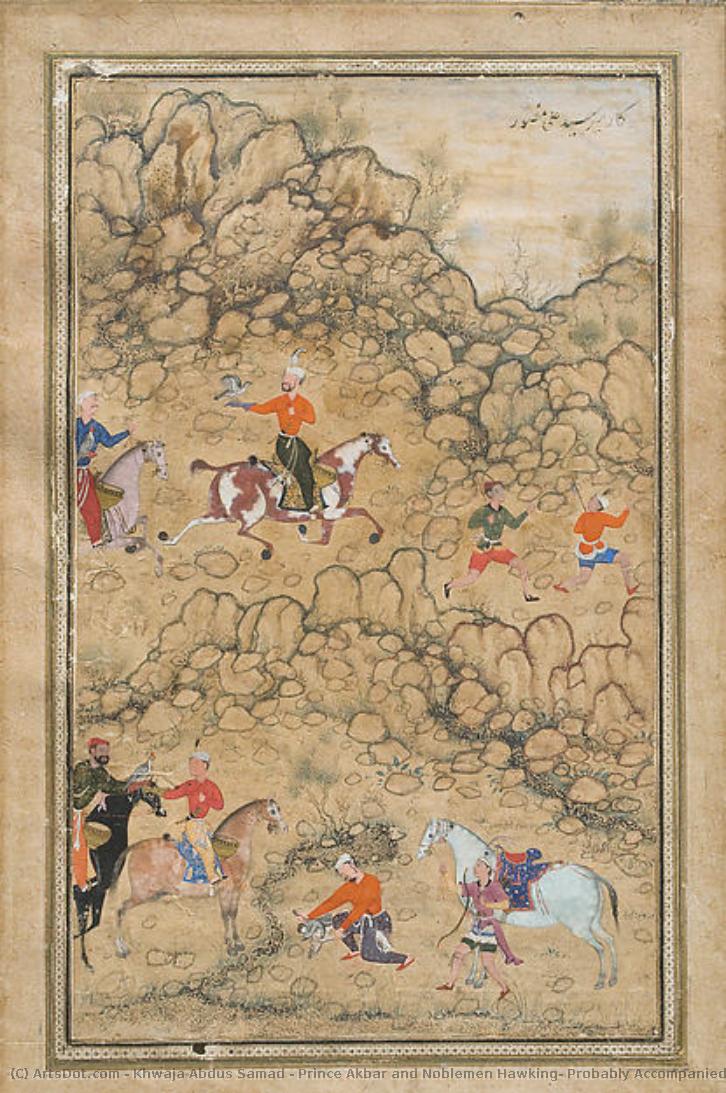
Prince Akbar and Noblemen Hawking, Probably Accompanied by His Guardian Bairam Khan
 1555
1555 36.0 x 24.0 cm
 Read More
Purchase a high-resolution, enhanced digital image, far superior to the online preview.
Each file is meticulously prepared by our in-house specialists using advanced tools and expert manual retouching. We ensure every image has exceptional clarity, precise color accuracy, and fine detail.
The final file is delivered via email within 72 hours, optimized for immediate use in professional, editorial, and print environments. This is the same quality trusted by top-tier design studios, publishers, and galleries.
Digital Image
Download a high-resolution file for personal display, printing, and creative projects. ( Buy Print Buy Hand Made Painting)
Included in Every Digital Image Order
Expert Digital Delivery, Guaranteed
When you choose ArtsDot.com, you're not just getting an image - you're receiving a professionally enhanced digital artwork, crafted with precision and backed by a satisfaction guarantee. Here's everything that comes with your order, automatically:

Fast Email Delivery
Your high-resolution digital image file will be emailed to you within 72 hours of ordering - ready for immediate use.

AI-Enhanced Digital File
Your artwork is professionally optimized using advanced AI tools and manual editing, ensuring maximum detail, clarity, and color accuracy.

Free Lifetime Re-Delivery
Accidentally deleted or lost your file? No worries - we'll resend it to you anytime, free of charge.

No Import Fees - Ever
Enjoy your artwork instantly with zero customs, duties, or delivery fees - digital downloads are always tax-free.

Color Accuracy Guarantee
We ensure your digital image reflects the original colors as closely as possible using professional tools and color management.

60-Day Satisfaction Guarantee
If you're not satisfied with your digital image, we'll revise it or refund 100% within 60 days - no questions asked.

100% Money-Back Guarantee
Not satisfied? Get a full refund within 60 days of receiving your digital file - no questions asked.

Bulk Order Discounts
Buy 3 images, save 10% - Buy 5, save 15% - Buy 10+, save 20%. Great for creative projects, galleries, and agencies.
Collectible Description
Related Artworks


Artist Biography
A Persian Master in the Mughal Court: The Life and Legacy of Khwaja Abdus Samad
Khwaja Abdus Samad, born in Shiraz, Iran around 1505, stands as a pivotal figure in the history of South Asian painting. More than simply an artist, he was a cultural bridge, instrumental in transplanting the refined aesthetics of Persian miniature tradition to the burgeoning Mughal empire and helping forge a uniquely Indian style. His journey from the established artistic centers of Persia to the court of Humayun and later Akbar marks a fascinating intersection of artistic exchange and imperial ambition. While biographical details remain somewhat fragmented, enough evidence exists to trace a career spanning decades, characterized by both remarkable artistry and significant administrative responsibility.From Shiraz to Kabul: Early Life and Artistic Formation
Samad’s origins lie in the rich artistic milieu of Shiraz, though his formative training likely took place in Tabriz—a renowned hub for Persian miniature painting under the Safavid dynasty. The precise details of his early life are elusive, but it is believed he came from a family with connections to the Dhul-Qadar Turkomans, suggesting a degree of social standing and access to artistic patronage. His initial style demonstrably reflects the Tabriz school, characterized by meticulous detail, refined color palettes, and elegant compositions—qualities that would become hallmarks of his later work. A crucial turning point arrived in 1549 when Samad entered the service of the exiled Mughal emperor Humayun while he was seeking refuge in Kabul. This encounter proved transformative for both artist and ruler; Samad quickly earned the title “Shirin-qalam” (“Sweet Pen”) for his exceptional calligraphy and painting skills, becoming a trusted advisor and artistic companion to Humayun.Founding Father of Mughal Painting
The return of Humayun to India in 1555 marked the beginning of Samad’s most influential period. Under Akbar's reign (1556-1605), he was appointed as a key member of the imperial atelier, tasked with establishing and overseeing a new style of painting that would reflect the empire’s grandeur and cosmopolitan vision. Perhaps his greatest achievement was the supervision of the monumental *Qissa-ye Amir Hamza*—a twelve-volume illustrated epic comprising over 1,400 paintings. This ambitious project not only showcased Samad's organizational skills but also provided a fertile ground for experimentation and innovation. He actively mentored a new generation of artists, including Hindu painters like Daswanth and Basawan, fostering a synthesis of Persian techniques with indigenous Indian artistic traditions. It was under his guidance that Mughal style truly came to maturity—a blend of precise draftsmanship, vibrant colors, dynamic compositions, and increasingly naturalistic depictions of the world.Blending Traditions: Style and Technique
Samad’s own paintings exemplify this fusion of styles. Works such as the miniature depicting Akbar presenting a painting to Humayun (circa 1556-1558) demonstrate his mastery of Persian linear precision, coupled with an emerging Indian sensibility for narrative detail and spatial depth. Later illustrations from Nizami's *Khamsa* (1595) further showcase this evolution—characterized by octagonal pavilions, grouped figures, and freer landscapes that move away from the more rigid conventions of earlier Persian painting. He was not merely a copier of existing styles but an innovator who skillfully adapted and integrated diverse influences to create something entirely new. His calligraphic skills were also highly prized, adding another layer of refinement to his artistic output.Beyond the Brush: Administrative Roles and Lasting Influence
Samad’s contributions extended beyond the realm of art; he held several important administrative positions within Akbar's court, including director of the mint at Fatehpur Sikri in 1577-1578 and *diwan* (revenue commissioner) of Multan in 1586-1587. These roles suggest a level of trust and respect that transcended his artistic talents. He remained active until at least 1600, continuing to paint even in declining health. His death before 1605 left an indelible mark on Mughal painting. The style he helped establish—characterized by its naturalism, narrative richness, and technical brilliance—would continue to flourish for centuries, influencing generations of artists and shaping the visual culture of the Mughal empire. Khwaja Abdus Samad is rightfully regarded as one of the founding masters of this extraordinary artistic tradition, a testament to his skill, vision, and enduring legacy. His work continues to captivate viewers today, offering a glimpse into a world where art, power, and cultural exchange converged in spectacular fashion. The exquisite blending of Persian elegance with Indian vitality remains a defining characteristic of the Mughal style he helped create.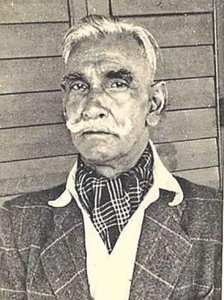
khwaja abdus samad
1505 - 1593 , Iran
Quick Facts
- Artistic Movement Or Style: Mughal miniature painting
- Artists Or Movements Influenced By This Artist: ['Mughal painting']
- Artists Who Influenced This Artist:
- Mirza Ali
- Sultan Muhammed
- Date Of Birth: 1505
- Date Of Death: 1593
- Full Name: Khwaja Abdus Samad
- Nationality: Persian
- Notable Artworks:
- Dewan of Multan (1584)
- Hamzanama illustrations
- Place Of Birth: Shiraz, Iran

