 Preview
 Send
Send Share
Share
 Details

 Download
 Similars
 X-Ray
X-Ray Diaporama
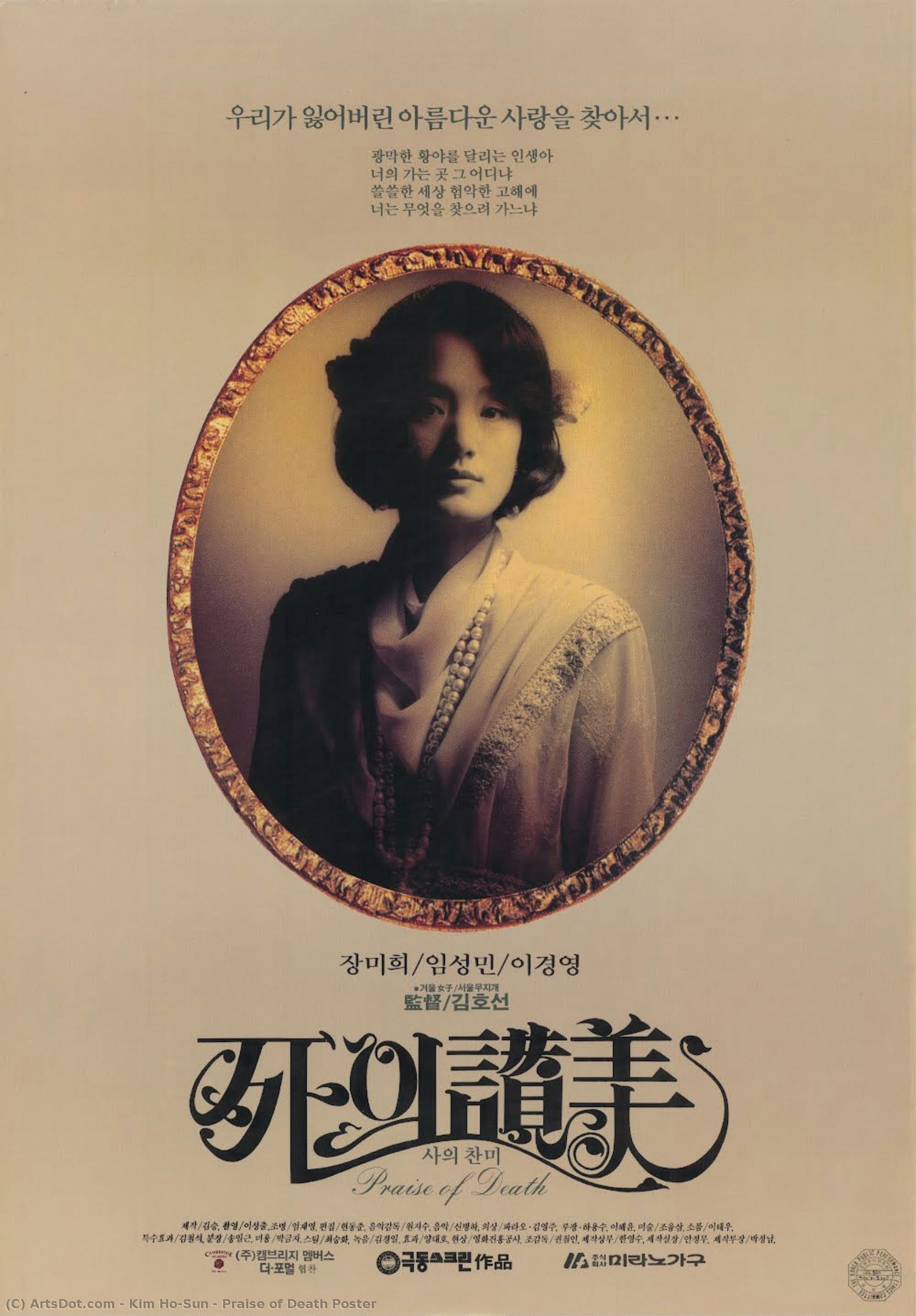
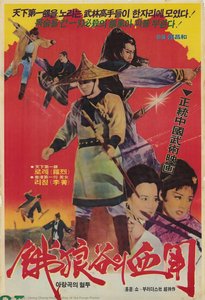
Praise of Death Poster
 1991
1991 53.0 x 76.0 cm
 Korean Film Archive
 Read More
Giclée / Art Print
Museum-quality giclée or canvas print with fast production and flexible finish options. ( Buy Hand Made Painting Buy Image)




































Pick from our preset sizes that match the artwork's original proportions.

You may enter your own dimensions to fit a specific frame or space. If your selected size does not match the original image's proportions, we will either crop the artwork or extend the image with a mirrored or solid-fill edge. A digital mockup will be sent for your approval before production begins.
Please note that the on-screen preview does not reflect the actual cropping or extension. Only the mockup will accurately show the final composition.
While custom sizes are available, we recommend selecting a dimension from the predefined list to preserve the original proportions.
Worldwide Delivery () in 2 weeks instead of standard 4/5 weeks. (24 August)

Free Worldwide Express Shipping

High-Quality Linen Canvas

Full Shipping Insurance

Customs Tax Refund Guarantee

True Color Matching Guarantee

60-Day Return Policy (Defects Only)

100% Money-Back Guarantee

Bulk Discount Offer
 Glass option is only available in size under 110 CM

Praise of Death Poster
Giclée / Art Print
Reproduction Size
-


Total Price
$ 63
Related Artworks







Artist Biography
Kim Ho-sun: A Pioneer of Korean Cinema’s Dramatic Landscape
Kim Ho-sun, born in Seoul in 1941, stands as a pivotal figure in the evolution of South Korean film. His career, spanning decades and encompassing both critical acclaim and significant box office success, reflects a deep understanding of human emotion and a willingness to tackle challenging social themes within the constraints – and occasional circumvention – of a politically sensitive cinematic environment. Initially emerging in the 1970s, Kim quickly established himself as a director capable of blending melodrama with sharp social commentary, a combination that would define much of his work and contribute significantly to the burgeoning Korean film industry. His early films often explored the complexities of women’s lives within rapidly changing societal structures, offering poignant portraits of resilience and vulnerability.Early Career & The Rise of Dramatic Cinema
Kim Ho-sun's trajectory began during a period of considerable upheaval in South Korea – the authoritarian rule of Park Chung-hee. This context profoundly shaped his artistic choices, leading him to prioritize narratives that resonated with audiences while subtly challenging established norms. His early films, particularly “Winter Woman” (1977) and “Yeong-Ja’s Heydays” (1975), became immediate successes, largely due to their relatable characters and emotionally resonant storylines. "Winter Woman," in particular, catapulted the then-unknown Chang Mi-hee to stardom, showcasing Kim's ability to identify and nurture talent while simultaneously delivering commercially viable entertainment. These films weren’t simply escapist fare; they offered a glimpse into the struggles faced by women navigating societal expectations and personal desires during a time of rapid modernization. The success of these early works demonstrated a keen understanding of audience sensibilities and established Kim as a director who could effectively translate complex social issues into compelling cinematic experiences.Key Works & Thematic Exploration
Kim Ho-sun’s filmography is marked by a consistent exploration of themes related to societal pressures, personal identity, and the human condition. “Praise of Death” (1991) stands as perhaps his most critically acclaimed work, a stark and unflinching portrayal of a prison guard grappling with his conscience. The film's deliberate pacing and ambiguous narrative forced audiences to confront uncomfortable truths about morality and justice. Similarly, "The Sleep Deeper Than Death" (1979), a psychological thriller, delves into the dark recesses of human memory and the devastating consequences of repressed trauma. His later works, such as “Seoul Rainbow” (1989), continued this trend, offering satirical critiques of political corruption and societal hypocrisy through compelling character studies. Throughout his career, Kim consistently demonstrated an ability to balance dramatic intensity with moments of quiet reflection, creating films that linger in the viewer’s mind long after the credits roll.Influence & Legacy
Kim Ho-sun's impact on Korean cinema extends far beyond his individual film successes. He played a crucial role in establishing a more sophisticated and emotionally nuanced cinematic landscape within South Korea, moving away from simplistic genre conventions and embracing a greater degree of artistic freedom. His willingness to tackle difficult subjects – often with a subtle yet powerful critique – paved the way for future generations of Korean filmmakers. He is considered one of the “Visual Age” directors, a group that emerged in the late 1970s and early 1980s and helped to modernize Korean cinema while retaining its distinctly humanistic core. His influence can be seen in the works of many subsequent directors who followed, demonstrating his lasting contribution to the nation’s cinematic heritage.Continuing Contributions & Recognition
Even into his later years, Kim Ho-sun remains an active figure within the Korean film industry, serving as a senior advisor to the Korea Film Directors' Society (KFDS). His continued involvement reflects not only his deep passion for filmmaking but also his commitment to supporting and mentoring emerging talent. His work continues to be studied and celebrated for its artistic merit and its profound insights into the complexities of human experience. Kim Ho-sun’s legacy is secure as a true pioneer – a director who helped shape the identity of Korean cinema and left an indelible mark on the hearts and minds of audiences both within South Korea and beyond.
Kim Ho-sun
1941 - , South Korea
Quick Facts
- Artistic Movement Or Style: Film Director
- Date Of Birth: March 9, 1941
- Full Name: Kim Ho-sun
- Nationality: South Korean
- Notable Artworks:
- Praise of Death
- Winter Woman
- Place Of Birth: Seoul, South Korea