

 Send
Send Share
Share
 Details

 Download
 Similars
 Diaporama
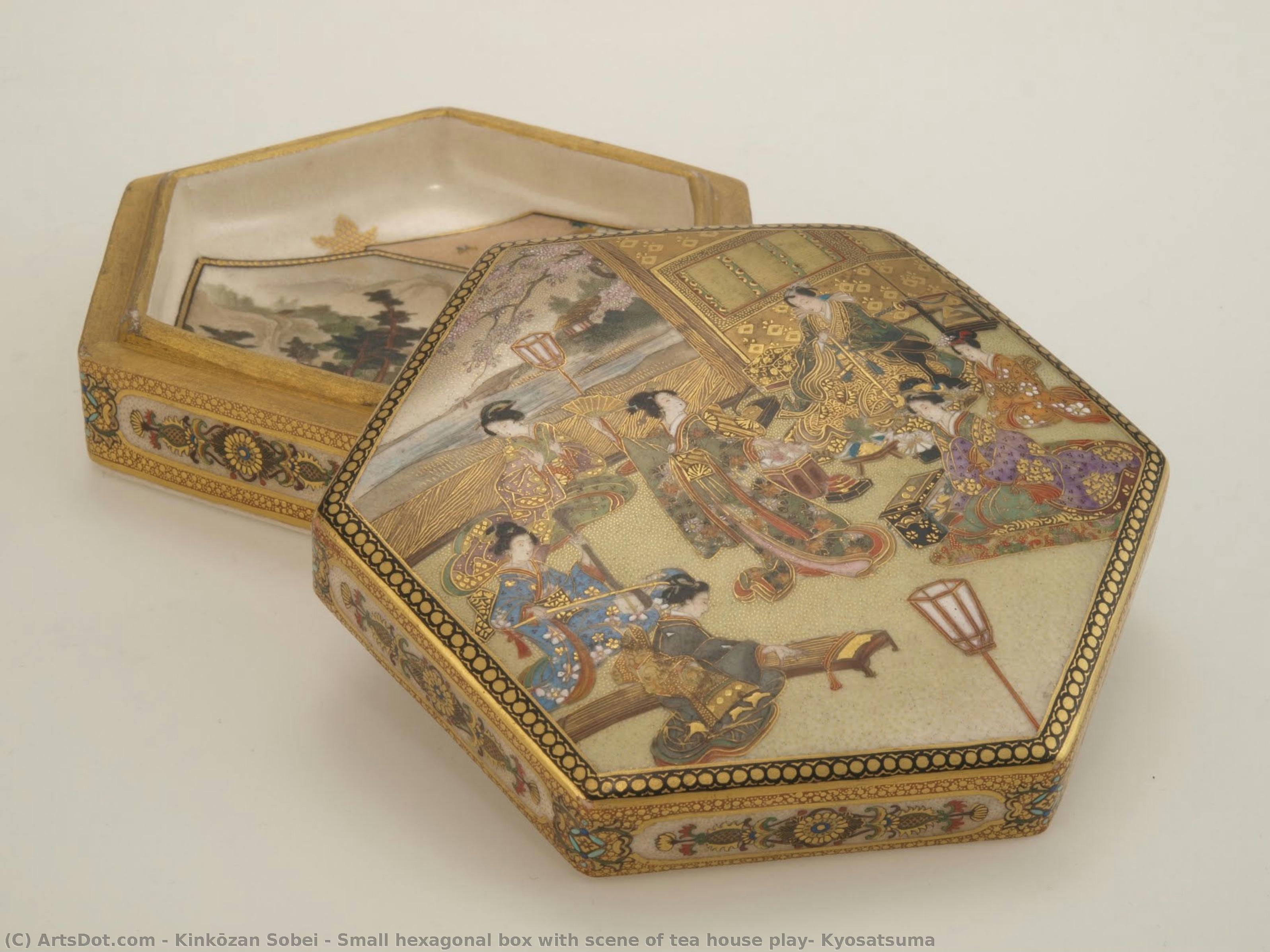
Small hexagonal box with scene of tea house play, Kyosatsuma
 Ceramic
- Sculpture
- Satsuma ware
 19th Century
 10.0 x 3.0 cm
 Art Research Center
 Read More
Purchase a high-resolution, enhanced digital image, far superior to the online preview.
Each file is meticulously prepared by our in-house specialists using advanced tools and expert manual retouching. We ensure every image has exceptional clarity, precise color accuracy, and fine detail.
The final file is delivered via email within 72 hours, optimized for immediate use in professional, editorial, and print environments. This is the same quality trusted by top-tier design studios, publishers, and galleries.
Digital Image
Download a high-resolution file for personal display, printing, and creative projects. ( Buy Print Buy Hand Made Painting)
Included in Every Digital Image Order
Expert Digital Delivery, Guaranteed
When you choose ArtsDot.com, you're not just getting an image - you're receiving a professionally enhanced digital artwork, crafted with precision and backed by a satisfaction guarantee. Here's everything that comes with your order, automatically:

Fast Email Delivery
Your high-resolution digital image file will be emailed to you within 72 hours of ordering - ready for immediate use.

AI-Enhanced Digital File
Your artwork is professionally optimized using advanced AI tools and manual editing, ensuring maximum detail, clarity, and color accuracy.

Free Lifetime Re-Delivery
Accidentally deleted or lost your file? No worries - we'll resend it to you anytime, free of charge.

No Import Fees - Ever
Enjoy your artwork instantly with zero customs, duties, or delivery fees - digital downloads are always tax-free.

Color Accuracy Guarantee
We ensure your digital image reflects the original colors as closely as possible using professional tools and color management.

60-Day Satisfaction Guarantee
If you're not satisfied with your digital image, we'll revise it or refund 100% within 60 days - no questions asked.

100% Money-Back Guarantee
Not satisfied? Get a full refund within 60 days of receiving your digital file - no questions asked.

Bulk Order Discounts
Buy 3 images, save 10% - Buy 5, save 15% - Buy 10+, save 20%. Great for creative projects, galleries, and agencies.
Collectible Description
A Miniature Universe in Porcelain
In the delicate realm of Japanese ceramics, few objects capture the intimate essence of Meiji-era life as poignantly as this Small hexagonal box with scene of tea house play. Crafted in the prestigious Kyosatsuma style, this exquisite piece serves as a window into a vanished world, offering more than just a container for small treasures; it offers a narrative journey. The box is a masterclass in miniature storytelling, where every millimeter of the ceramic surface is utilized to depict a vibrant social tableau. As one gazes upon the intricate scene of tea house play, there is an immediate sense of being an invisible observer at a lively gathering, caught in a moment of shared laughter and communal ritual.
The artistry of Kinkōzan Sobei shines through in the meticulous execution of the figures. The composition is a rhythmic dance of postures—some individuals are seated gracefully on the floor, while others stand in animated conversation, creating a sense of depth and movement within the hexagonal frame. The use of gold trim around the edges provides a luxurious boundary, framing the painted scene like a precious jewel box. This interplay between the earthy, fine-grained ceramic and the opulent metallic accents creates a visual tension that is both sophisticated and deeply captivating, making it an ideal centerpiece for a curated collection or a refined mantlepiece.
The Legacy of Kinkōzan Mastery
To understand the profound beauty of this piece, one must look to the lineage of its creator. Kinkōzan Sobei was not merely a potter but a custodian of a grand artistic tradition born in Kyoto. As a descendant of the illustrious Kinkōzan workshop, Sobei possessed an unparalleled command over the technical complexities of Satsuma ware. His work represents the pinnacle of Japanese craftsmanship during a period of intense international fascination with Eastern aesthetics. The technique employed here—layering fine pigments and delicate glazes to achieve lifelike expressions on such a minuscule scale—requires a level of patience and precision that borders on the meditative.
The historical context of this box is deeply intertwined with the evolution of Japanese export art. During the late 19th century, these highly detailed ceramics were sought after by European collectors, serving as ambassadors of Japanese culture. The "tea house play" depicted is not just a random scene; it is a celebration of ichigo ichie—the concept of treasuring the unrepeatable nature of a single moment. For the modern collector or interior designer, this piece brings an aura of historical weight and cultural elegance to any space, offering a tactile connection to the refined social graces of old Japan.
An Inspiration for the Refined Interior
For those looking to infuse their living spaces with character and soul, this reproduction offers a profound emotional impact. The warmth of the scene, combined with the sophisticated geometry of the hexagonal form, allows it to integrate seamlessly into both traditional and contemporary settings. It acts as a conversation starter, inviting guests to lean in closer, to study the tiny faces, and to wonder about the stories behind the brushstrokes.
Whether placed within a glass vitrine or used as an accent piece on a dark wood desk, the box radiates a sense of quiet luxury. It is a tribute to the beauty of detail and the enduring power of hand-painted art. Owning such a piece is an investment in a legacy of excellence, bringing the spirit of Kyoto’s imperial porcelain tradition into the modern home, where it can be admired as both a historical artifact and a timeless work of decorative art.
Related Artworks
Artist Biography
Kinkōzan Sobei (1825-1896): A Master of Kyoto’s Imperial Porcelain
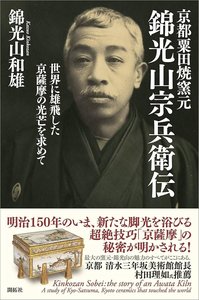
Born in Kyoto, Japan, in 1825, Kinkōzan Sobei was more than just a potter; he was a pivotal figure in the evolution of Japanese ceramics and a key contributor to the international recognition of Satsuma ware. His life intertwined with the legacy of his family’s renowned workshop, the Kinkōzan, a lineage steeped in artistic tradition dating back to its founder, Kinkōzan Sōzui (1741-1818). Sobei's journey wasn't simply one of inheriting a craft; it was a deliberate and innovative response to changing times, ultimately shaping the distinctive aesthetic that would captivate Europe during the Meiji period.
His early life was deeply rooted in this established artistic heritage. As the son of Kinkōzan Sōzui, he received an unparalleled education in pottery techniques, mastering the intricacies of form, glaze, and decoration. The Kinkōzan workshop itself held a prestigious position, traditionally supplying ceramics to the imperial court and influential figures within the shogunate. This connection provided Sobei with access to rare clays, specialized firing methods, and a deep understanding of the symbolic language embedded in Japanese art – particularly the importance of auspicious motifs and refined elegance.
The Art of Satsuma: Innovation and Influence
Sobei’s true contribution lies in his pivotal role in developing and refining what became known as Kyō Satsuma ware. While the origins of Satsuma pottery itself trace back to the province of Kagoshima, Sobei and his successors in Kyoto elevated the style with a distinctive refinement and an emphasis on intricate detail that set it apart. The Kinkōzan workshop, under his guidance, began experimenting with new glazing techniques – particularly the development of the vibrant, layered colors characteristic of Kyō Satsuma – alongside the meticulous application of gold leaf (kinrande) and elaborate painted designs.
This innovation was directly influenced by Western artistic trends emerging during the Meiji Restoration. The opening of Japan to foreign trade in the mid-19th century exposed Japanese artisans to European art, particularly the opulent styles of Rococo and Baroque. Sobei skillfully adapted these influences, incorporating elements like floral motifs, arabesque patterns, and a heightened sense of decorative extravagance into his work. This fusion of traditional Japanese aesthetics with Western artistic sensibilities proved remarkably successful, propelling Kyō Satsuma ware onto the international stage.
A Global Stage: Exhibitions and Recognition
Sobei’s talent was quickly recognized on an international scale. His pieces were prominently featured at a series of prestigious exhibitions throughout the latter half of the 19th century, solidifying Kyō Satsuma's reputation as a premier art form. The Great Exhibition of 1862 in London showcased his exquisite craftsmanship, followed by the Exposition Universelle of 1867 in Paris and the Centennial Exposition of 1876 in Philadelphia. Perhaps most notably, his work was displayed at the World’s Columbian Exposition of 1893 in Chicago, cementing its place as a symbol of Japanese artistry within the global art market.
These exhibitions weren't merely displays; they were crucial moments for establishing Kyō Satsuma ware as a desirable commodity. Western collectors and connoisseurs were captivated by its vibrant colors, intricate designs, and perceived exoticism. The demand fueled production at the Kinkōzan workshop, transforming it into one of the most successful ceramic workshops in Japan during that era.
Legacy and Enduring Influence
Kinkōzan Sobei’s legacy extends far beyond his individual creations. He played a crucial role in shaping the trajectory of Japanese ceramics and fostering cross-cultural exchange between East and West. His innovations in glazing, design, and marketing techniques continue to inform contemporary ceramic artists. His work is now housed in museums around the world – including the Victoria and Albert Museum in London, the Guimet Museum of Asian Art in Paris, and the Philadelphia Museum of Art – serving as a testament to his skill and vision.
The Fujikawa Galleries in Japan remain a significant repository of Kinkōzan Sobei’s work, offering visitors a chance to appreciate the enduring beauty and historical significance of this remarkable artist. His influence can also be seen in the Kiyomizu Sannenzaka Museum Collection, where pieces like incense burners and tea sets exemplify the refined elegance that defined his artistic output.
Ultimately, Kinkōzan Sobei’s life represents a fascinating intersection of tradition and innovation—a testament to the power of an artist to adapt, evolve, and leave an indelible mark on the world of art.
kinkōzan sobei
1825 - 1896 , Japan
Quick Facts
- Artistic Movement Or Style: Satsuma ware
- Artists Or Movements Influenced By This Artist: ['Meiji period art']
- Artists Who Influenced This Artist: ['Kinkōzan Sōzui']
- Date Of Birth: 1825
- Date Of Death: 1896
- Full Name: Kinkōzan Sobei
- Nationality: Japanese
- Notable Artworks:
- Incense burners
- Tea set chrysanthemums
- Place Of Birth: Kyoto, Japan

