

 Preview
 Send
Send Share
Share
 Details

 Download
 Similars
 X-Ray
X-Ray Diaporama
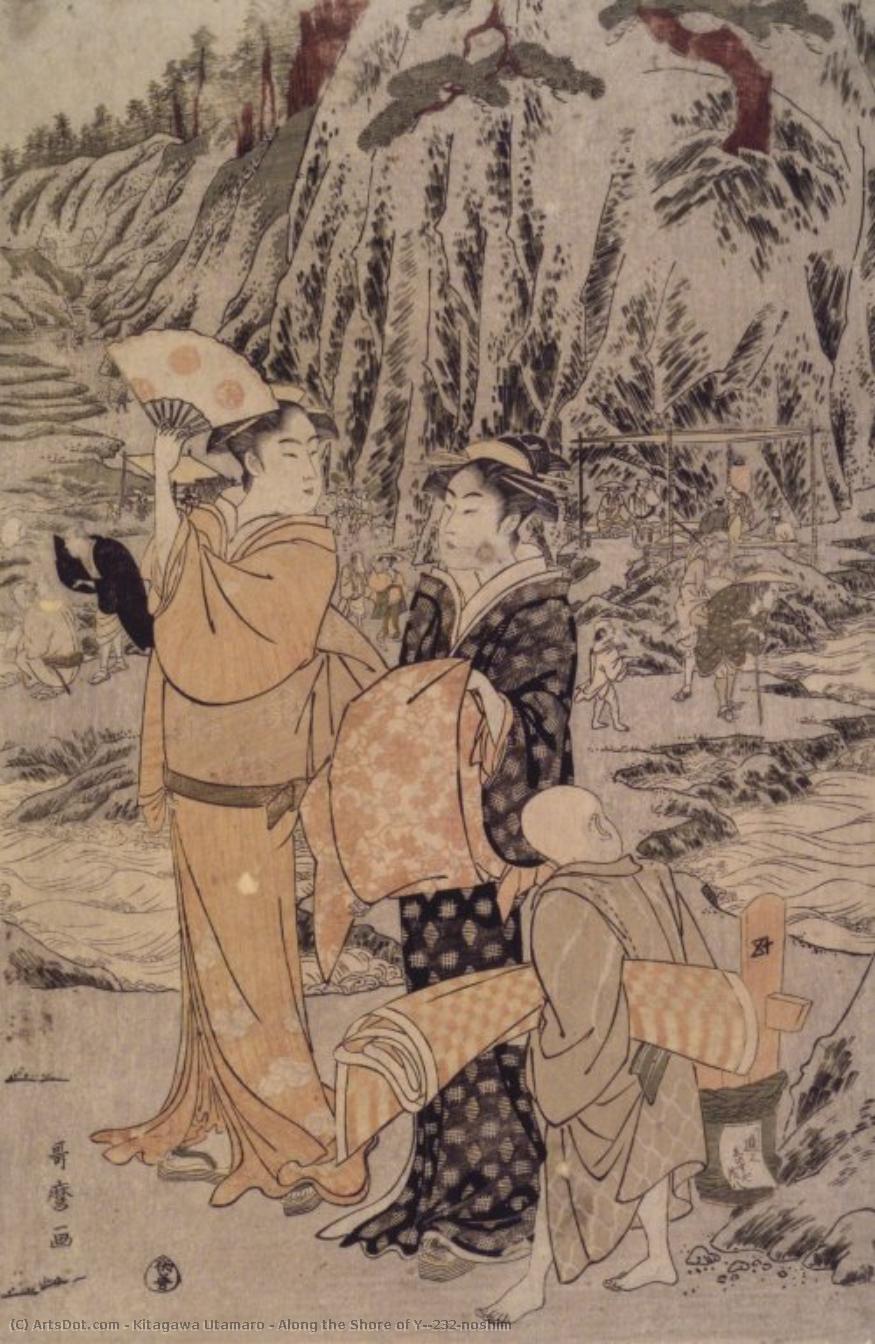
Along the Shore of Yènoshim


 Read More
Purchase a high-resolution, enhanced digital image, far superior to the online preview.
Each file is meticulously prepared by our in-house specialists using advanced tools and expert manual retouching. We ensure every image has exceptional clarity, precise color accuracy, and fine detail.
The final file is delivered via email within 72 hours, optimized for immediate use in professional, editorial, and print environments. This is the same quality trusted by top-tier design studios, publishers, and galleries.
Digital Image
Download a high-resolution file for personal display, printing, and creative projects. ( Buy Print Buy Hand Made Painting)
Included in Every Digital Image Order
Expert Digital Delivery, Guaranteed
When you choose ArtsDot.com, you're not just getting an image - you're receiving a professionally enhanced digital artwork, crafted with precision and backed by a satisfaction guarantee. Here's everything that comes with your order, automatically:

Fast Email Delivery
Your high-resolution digital image file will be emailed to you within 72 hours of ordering - ready for immediate use.

AI-Enhanced Digital File
Your artwork is professionally optimized using advanced AI tools and manual editing, ensuring maximum detail, clarity, and color accuracy.

Free Lifetime Re-Delivery
Accidentally deleted or lost your file? No worries - we'll resend it to you anytime, free of charge.

No Import Fees - Ever
Enjoy your artwork instantly with zero customs, duties, or delivery fees - digital downloads are always tax-free.

Color Accuracy Guarantee
We ensure your digital image reflects the original colors as closely as possible using professional tools and color management.

60-Day Satisfaction Guarantee
If you're not satisfied with your digital image, we'll revise it or refund 100% within 60 days - no questions asked.

100% Money-Back Guarantee
Not satisfied? Get a full refund within 60 days of receiving your digital file - no questions asked.

Bulk Order Discounts
Buy 3 images, save 10% - Buy 5, save 15% - Buy 10+, save 20%. Great for creative projects, galleries, and agencies.
Collectible Description
A Moment on the Shoreline: Kitagawa Utamaro’s “Along the Shore of Yènoshim”
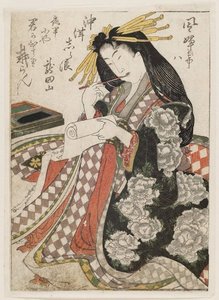
Kitagawa Utamaro's "Along the Shore of Yènoshim," created around 1793, isn’t merely a depiction of a coastal scene; it’s a carefully constructed tableau brimming with understated elegance and quiet observation. This woodblock print, a cornerstone of the *bijin-ga* (pictures of beautiful women) genre that defined Utamaro's career, invites us into a fleeting moment along the shores of Yènoshim Bay – a place steeped in Japanese folklore and natural beauty.
The composition immediately draws the eye to the two central figures: a woman gracefully fanning herself, her posture suggesting both leisure and a subtle awareness of her surroundings, and another seated on a weathered rock. A third figure, likely a servant or attendant, kneels respectfully nearby, adding depth and narrative complexity to the scene. Beyond them, a pathway winds towards a distant temple or shrine, hinting at a journey or pilgrimage – a common theme in Japanese art reflecting a connection between earthly experience and spiritual aspiration. The background is dominated by the imposing presence of a rocky cliff face, draped with lush vegetation, creating a sense of both grandeur and intimacy.
The Language of Ukiyo-e: Technique and Style
Utamaro’s mastery lies in his precise execution within the conventions of *ukiyo-e*, the art of the floating world. The print is characterized by bold outlines that define each element with remarkable clarity, a hallmark of this style. Notice how the curves of the women's garments flow naturally, while the sharp lines of the rocks and buildings establish structure. Utamaro’s use of color is restrained – primarily muted tones of beige, brown, grey, punctuated by touches of red and green – reflecting the earthy palette favored in traditional Japanese prints. This deliberate restraint amplifies the impact of each element, forcing the viewer to truly consider its form and placement.
The technique itself involved a meticulous process: carving a design onto a wooden block, applying ink with precision, and then pressing the inked block firmly onto washi paper. Multiple blocks were used for different colors, allowing Utamaro to achieve subtle gradations and layering that add richness and depth to the image. The slight variations in line weight – thicker lines for outlines and thinner ones for details – create a tactile quality, inviting us to almost feel the texture of the clothing or the roughness of the stone.
Symbolism and Emotional Resonance
Beyond its aesthetic beauty, “Along the Shore of Yènoshim” is rich in symbolic meaning. The fan held by one of the women can be interpreted as a symbol of elegance, status, or perhaps even a subtle invitation to engage with the scene. The distant temple suggests a longing for spiritual fulfillment and a connection to something greater than oneself. The overall mood is one of tranquility and harmony – a reflection of the Japanese aesthetic ideal of *wabi-sabi*, which celebrates imperfection and the beauty of transience.
Utamaro’s work, particularly this series, offers a glimpse into Edo-period life, capturing the refined sensibilities of the wealthy elite who commissioned these prints. He wasn't simply documenting reality; he was crafting an idealized vision of beauty, leisure, and connection with nature – a vision that continues to resonate with viewers today.
A Legacy in Art and Inspiration
Kitagawa Utamaro’s influence extends far beyond the realm of Japanese art. His innovative approach to *bijin-ga* profoundly impacted Western artists during the Impressionist movement, particularly Edgar Degas, who was deeply inspired by Utamaro's focus on capturing fleeting moments of beauty and the subtle nuances of human expression. “Along the Shore of Yènoshim” stands as a testament to Utamaro’s genius – a timeless masterpiece that embodies both exquisite craftsmanship and profound artistic insight.
Related Artworks
Artist Biography
Kitagawa Utamaro: A Master of Bijin-ga
- Born: Tokyo, Japan (1753)
- Died: 1806
Kitagawa Utamaro was a Japanese artist renowned for his contributions to *ukiyo-e*, particularly his depictions of beautiful women (*bijin-ga*). He stands as one of the most celebrated designers of woodblock prints and paintings from the Edo period, leaving an enduring legacy on both Japanese art and Western Impressionism.
Early Life and Training
- Little is definitively known about Utamaro's early life. It’s believed he was born Kitagawa Ichitarō around 1753, though his birthplace remains uncertain with various locations suggested including Kyoto, Osaka, Yoshiwara (Edo), and Kawagoe.
- He came under the tutelage of Toriyama Sekien, a practitioner of *ukiyo-e* who also trained in the upper-class Kanō school of painting. Sekien recognized Utamaro's talent and fostered his artistic development.
- Utamaro’s first known published work appeared around 1770, an illustration for a haikai poetry anthology. He later worked under the name Kitagawa Toyoaki, illustrating popular literature and occasionally producing portraits of kabuki actors.
Rise to Prominence: The Bijin-ga Master
- In 1782, Utamaro joined forces with publisher Tsutaya Jūzaburō, marking a pivotal moment in his career. This partnership led to the creation of groundbreaking works and solidified his reputation.
- Utamaro’s signature style emerged in the early 1790s: portraits of women with exaggerated, elongated features. These *bijin-ga* became immensely popular, establishing him as a leading figure in the art world.
- He innovated within the genre by focusing on single figures and capturing intimate moments, moving away from traditional group depictions. His attention to detail in portraying fabrics, hairstyles, and expressions was exceptional.
- Utamaro produced over 2000 known prints throughout his career, demonstrating remarkable productivity and artistic versatility.
Influences and Artistic Development
- Kiyonaga: Utamaro was influenced by Torii Kiyonaga, a pre-eminent portraitist of beauties in the 1780s, adopting and refining the graceful aesthetic established by Kiyonaga.
- Shunshō: He drew inspiration from Katsukawa Shunshō, who introduced the *ōkubi-e* ("large-headed picture") style, which Utamaro adapted for his portraits of women.
- European Impressionism: Utamaro’s work significantly impacted European Impressionist painters like Monet and Cassatt. His use of partial views, emphasis on light and shade, and focus on everyday subjects resonated with these artists, who sought to emulate his techniques.
Later Life, Controversy, and Legacy
- In 1804, Utamaro faced legal trouble for creating prints depicting Toyotomi Hideyoshi, a sensitive subject due to its political implications. He was arrested and manacled for fifty days.
- He died two years later in 1806, leaving behind a rich artistic legacy.
- Utamaro’s work gained widespread recognition in Europe during the mid-nineteenth century, particularly in France, where it fueled the Japonism movement and profoundly influenced Western art.
- His *bijin-ga* remain iconic representations of Edo period beauty and continue to be celebrated for their elegance, artistry, and cultural significance.
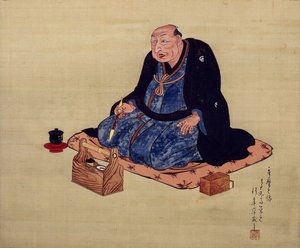
Kitagawa Utamaro
1753 - 1806 , Japan
Quick Facts
- Artistic Movement Or Style: Ukiyo-e
- Artists Or Movements Influenced By This Artist:
- Impressionists
- Toulouse-Lautrec
- Artists Who Influenced This Artist:
- Kiyonaga
- Shunshō
- Date Of Birth: 1753
- Date Of Death: 1806
- Full Name: Kitagawa Utamaro
- Nationality: Japanese
- Notable Artworks:
- Utamaro Okita
- Fantastic travels of a playboy
- Place Of Birth: Tokyo, Japan

