

 Preview
 Send
Send Share
Share
 Details

 Download
 Similars
 X-Ray
X-Ray Diaporama
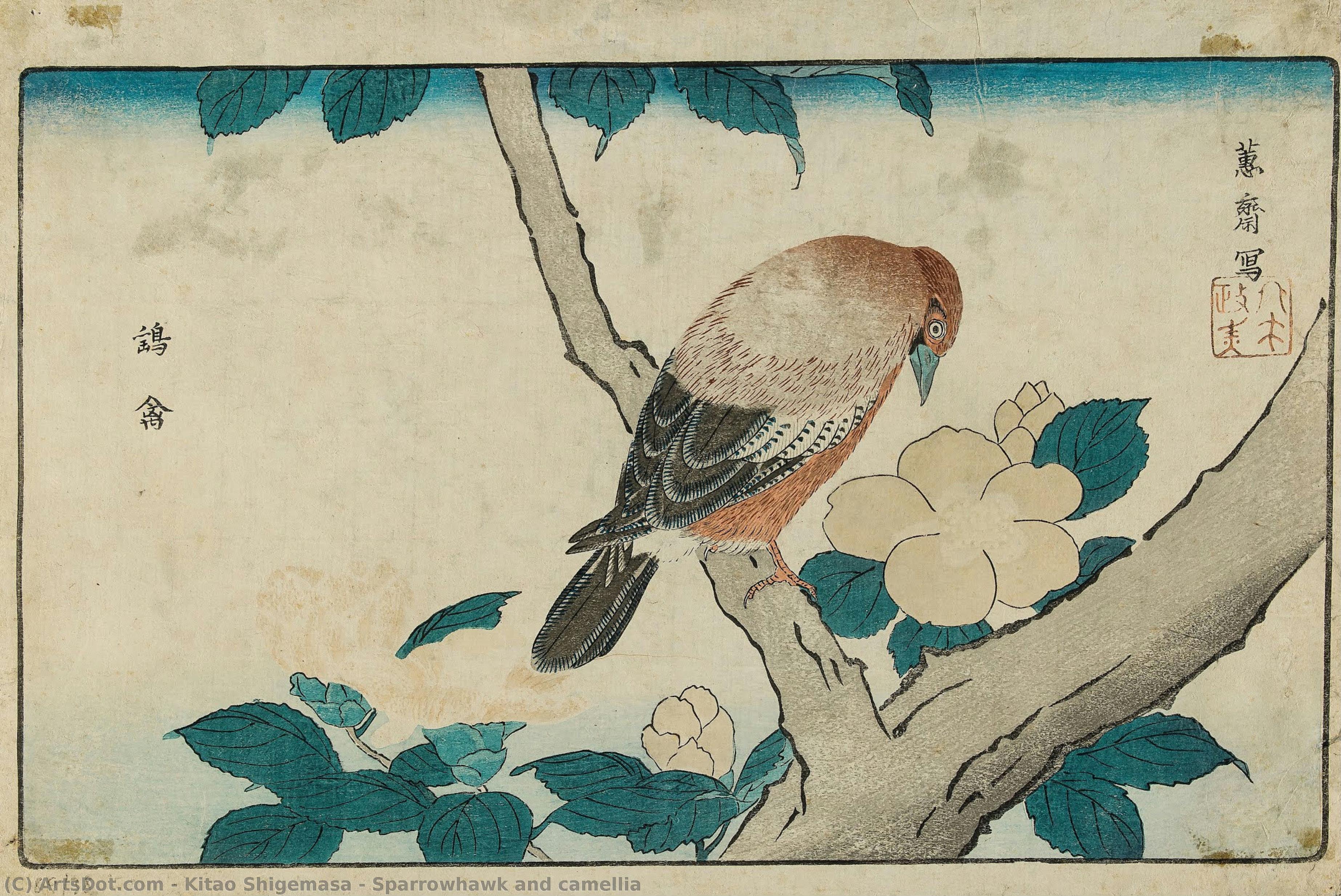
Sparrowhawk and camellia

 Read More
Purchase a high-resolution, enhanced digital image, far superior to the online preview.
Each file is meticulously prepared by our in-house specialists using advanced tools and expert manual retouching. We ensure every image has exceptional clarity, precise color accuracy, and fine detail.
The final file is delivered via email within 72 hours, optimized for immediate use in professional, editorial, and print environments. This is the same quality trusted by top-tier design studios, publishers, and galleries.
Digital Image
Download a high-resolution file for personal display, printing, and creative projects. ( Buy Print Buy Hand Made Painting)
Included in Every Digital Image Order
Expert Digital Delivery, Guaranteed
When you choose ArtsDot.com, you're not just getting an image - you're receiving a professionally enhanced digital artwork, crafted with precision and backed by a satisfaction guarantee. Here's everything that comes with your order, automatically:

Fast Email Delivery
Your high-resolution digital image file will be emailed to you within 72 hours of ordering - ready for immediate use.

AI-Enhanced Digital File
Your artwork is professionally optimized using advanced AI tools and manual editing, ensuring maximum detail, clarity, and color accuracy.

Free Lifetime Re-Delivery
Accidentally deleted or lost your file? No worries - we'll resend it to you anytime, free of charge.

No Import Fees - Ever
Enjoy your artwork instantly with zero customs, duties, or delivery fees - digital downloads are always tax-free.

Color Accuracy Guarantee
We ensure your digital image reflects the original colors as closely as possible using professional tools and color management.

60-Day Satisfaction Guarantee
If you're not satisfied with your digital image, we'll revise it or refund 100% within 60 days - no questions asked.

100% Money-Back Guarantee
Not satisfied? Get a full refund within 60 days of receiving your digital file - no questions asked.

Bulk Order Discounts
Buy 3 images, save 10% - Buy 5, save 15% - Buy 10+, save 20%. Great for creative projects, galleries, and agencies.
Related Artworks









Artist Biography
Robert Barker: The Pioneer of the Panorama
Born in Kells, County Meath, Ireland, in 1739, Robert Barker’s name is inextricably linked to one of the most remarkable innovations in visual art – the panorama. While often overshadowed by later developments and other artists involved in its creation, Barker was undeniably the driving force behind its initial conception and popularization. His life wasn't marked by traditional artistic training; instead, he honed his skills as an itinerant portrait painter, a profession that ultimately provided him with the unique understanding of perspective and audience engagement necessary to realize his ambitious vision.
Barker’s early career involved traveling throughout Britain and Ireland, capturing likenesses of prominent figures. This experience instilled in him a keen awareness of how people perceived space and distance – crucial elements for creating an immersive panoramic experience. It was during this period that he coined the term “panorama” itself, derived from the Greek words *pan* (all) and *horama* (view), reflecting his intention to offer a comprehensive survey of a scene. His initial experiments involved painting cityscapes on cylindrical surfaces, allowing viewers to rotate and take in a 360-degree perspective – a revolutionary concept at the time.
The Leicester Square Spectacle
In 1793, Barker unveiled his first purpose-built panorama in London’s Leicester Square. This wasn't merely a painting; it was a meticulously engineered spectacle. The building itself was designed by Robert Mitchell, and housed a massive canvas stretched taut over a circular frame. Viewers paid three shillings to stand on a central platform beneath a skylight, effectively eliminating shadows and creating an even illumination that heightened the illusion of being within the scene. Barker’s panorama of Edinburgh from Calton Hill became an immediate sensation, drawing crowds eager to experience this unprecedented form of entertainment.
Barker's success wasn't simply due to the novelty of the format; he was a master of perspective and composition. He skillfully manipulated vanishing points and foreshortening to create a convincing illusion of depth and scale. His work drew heavily on the principles developed by earlier artists like Wenceslas Hollar, but Barker pushed these techniques further, creating a more dynamic and engaging experience for the viewer. The panoramic view of London, painted as if viewed from the roof of Albion Mills, showcased this mastery, offering a remarkably detailed and expansive depiction of the city.
Influences and Connections
Barker’s work was influenced by several key figures in the art world. Francis Towne, another British painter known for his landscapes, shared some technical approaches with Barker, particularly in their use of flat washes and pen-and-ink outlines. Charles Jervas, a portraitist who painted George I and George II, provided Barker with valuable insights into the demands of portraiture and the importance of capturing likenesses accurately. These connections demonstrate a vibrant artistic community that fostered experimentation and innovation.
Furthermore, Barker’s work reflects the broader cultural trends of his time – the rise of the “picturesque” aesthetic and the growing interest in travel and exploration. The panoramas offered a vicarious experience of distant lands and grand vistas, catering to a burgeoning middle class eager for entertainment and knowledge. His success paved the way for the development of cycloramas in America and other parts of Europe, solidifying the panorama’s place as a significant form of visual art.
Legacy and Lasting Impact
Despite his initial fame, Robert Barker's career was relatively short-lived. He died in 1806, but his legacy endures through the invention of the panorama itself. His innovation fundamentally changed how people experienced art, moving beyond static paintings to create immersive environments that engaged multiple senses. The term “panorama” remains in use today, not just as a description of a specific artistic format, but also as a metaphor for a comprehensive overview or survey.
Barker’s contribution is often overlooked, overshadowed by later developments and the more flamboyant figures associated with the panorama craze. However, his pioneering spirit and technical skill were essential to its creation, establishing the panorama as a landmark achievement in the history of visual art – a testament to one man's vision and ingenuity.

kitao shigemasa
1739 - 1820 , Japan
Quick Facts
- Artistic Movement Or Style: Panoramic painting
- Artists Or Movements Influenced By This Artist: ['Charles Jervas']
- Date Of Birth: 1739
- Date Of Death: 1806
- Full Name: Robert Barker
- Nationality: Irish
- Notable Artworks: ['The Panorama of Edinburgh']
- Place Of Birth: Kells, County Meath, Ireland

