

 Send
Send Share
Share
 Details

 Download
 Similars
 Diaporama
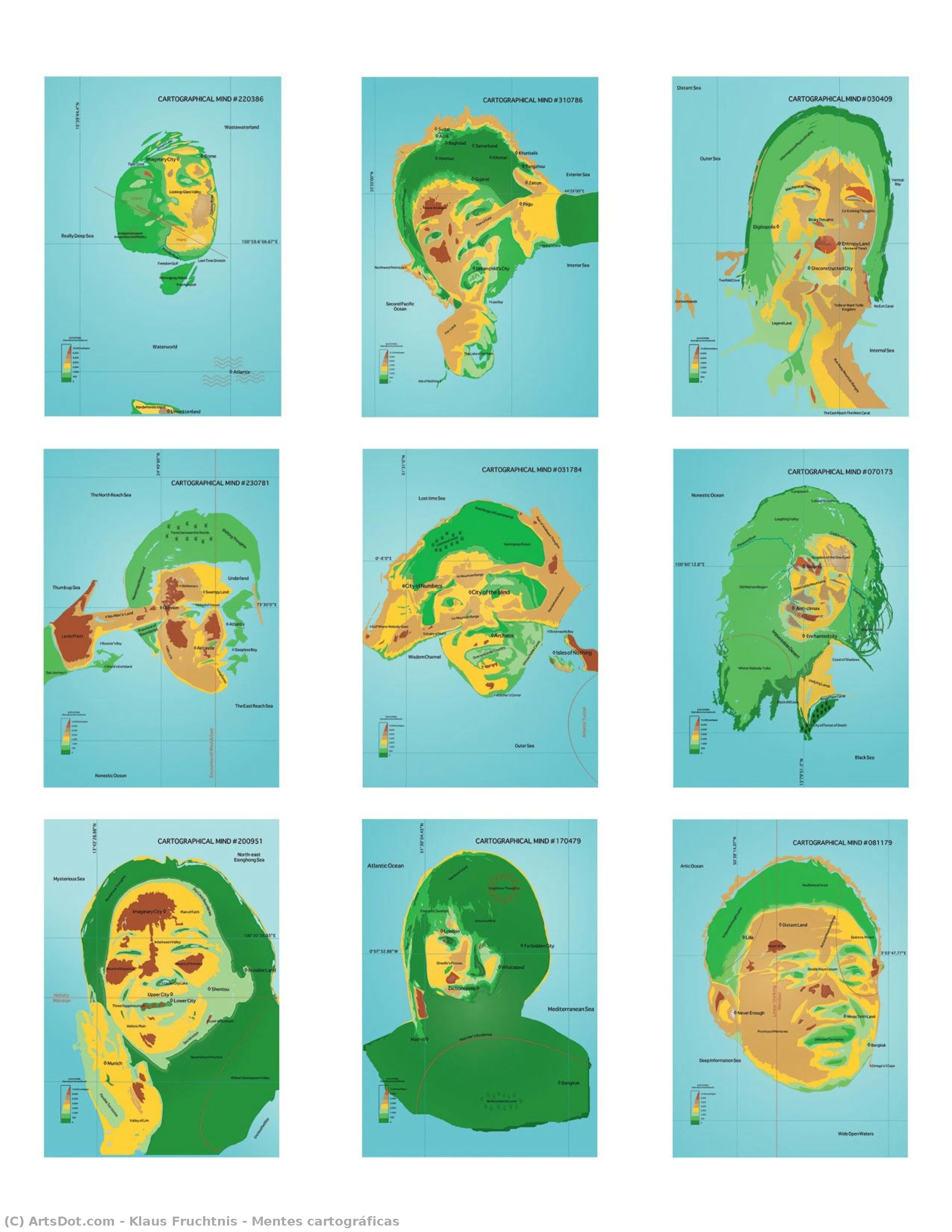
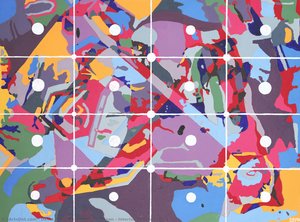
Mentes cartográficas
 Photography
- Photo
- Contemporary Art
 2010
2010- Contemporary
 30.0 x 40.0 cm
 Museum of Contemporary Art Bogotá
 Read More
Purchase a high-resolution, enhanced digital image, far superior to the online preview.
Each file is meticulously prepared by our in-house specialists using advanced tools and expert manual retouching. We ensure every image has exceptional clarity, precise color accuracy, and fine detail.
The final file is delivered via email within 72 hours, optimized for immediate use in professional, editorial, and print environments. This is the same quality trusted by top-tier design studios, publishers, and galleries.
Digital Image
Download a high-resolution file for personal display, printing, and creative projects. ( Buy Print Buy Hand Made Painting)
Included in Every Digital Image Order
Expert Digital Delivery, Guaranteed
When you choose ArtsDot.com, you're not just getting an image - you're receiving a professionally enhanced digital artwork, crafted with precision and backed by a satisfaction guarantee. Here's everything that comes with your order, automatically:

Fast Email Delivery
Your high-resolution digital image file will be emailed to you within 72 hours of ordering - ready for immediate use.

AI-Enhanced Digital File
Your artwork is professionally optimized using advanced AI tools and manual editing, ensuring maximum detail, clarity, and color accuracy.

Free Lifetime Re-Delivery
Accidentally deleted or lost your file? No worries - we'll resend it to you anytime, free of charge.

No Import Fees - Ever
Enjoy your artwork instantly with zero customs, duties, or delivery fees - digital downloads are always tax-free.

Color Accuracy Guarantee
We ensure your digital image reflects the original colors as closely as possible using professional tools and color management.

60-Day Satisfaction Guarantee
If you're not satisfied with your digital image, we'll revise it or refund 100% within 60 days - no questions asked.

100% Money-Back Guarantee
Not satisfied? Get a full refund within 60 days of receiving your digital file - no questions asked.

Bulk Order Discounts
Buy 3 images, save 10% - Buy 5, save 15% - Buy 10+, save 20%. Great for creative projects, galleries, and agencies.
Related Artworks


Artist Biography
Jean-Michel Basquiat: A Revolutionary Voice in Neo-Expressionism
Born in Brooklyn, New York City, in December 1960 to a Haitian father and Puerto Rican mother, Jean-Michel Basquiat’s life was shaped by the vibrant, often turbulent, cultural landscape of urban America. His early years were marked by frequent moves, reflecting his family's economic struggles and ultimately contributing to a sense of displacement that would profoundly influence his artistic vision. While he initially pursued a path in music, playing drums in a local band, it was the burgeoning street art scene of the late 1970s – particularly the graffiti movement – that truly ignited his creative fire. This wasn’t merely a stylistic choice; Basquiat saw graffiti as a powerful form of public expression, a way for marginalized voices to reclaim space and challenge established narratives.
Initially collaborating with the equally talented SAMO (Stay Alive, Maintain Originality), Basquiat and Al Diaz developed an enigmatic street art duo. They plastered Manhattan’s Lower East Side with cryptic epigrams – short, often provocative phrases – that questioned social structures, explored themes of race, power, and identity. These early works, largely anonymous at the time, established a distinctive visual language characterized by bold typography, fragmented imagery, and a raw, urgent energy. However, the partnership dissolved abruptly in 1981, leaving Basquiat to forge his own singular path as a solo artist.
- Key Influences: Basquiat’s work drew heavily from diverse sources – African art, particularly the sculptures of Benin; the writings of Haitian poet Aimé Césaire; and the works of artists like Picasso, Warhol, and Pollock.
- Neo-Expressionism: He is considered a pivotal figure in the neo-expressionist movement, which emerged in the late 1970s and early 1980s as a reaction against minimalism and conceptual art. Neo-expressionists embraced subjective experience, emotional intensity, and often employed figurative painting with a visceral quality.
- Themes: Basquiat’s paintings frequently tackled complex themes of race, class, power, identity, and the American Dream. He confronted issues of social injustice, explored the complexities of urban life, and challenged conventional notions of beauty and representation.
The Rise to Prominence and Artistic Evolution
Following his departure from SAMO, Basquiat began exhibiting in galleries, quickly gaining recognition for his distinctive style and provocative subject matter. His early paintings often featured skulls, crowns (a symbol of royalty and power), and fragmented figures – recurring motifs that reflected his exploration of mortality, identity, and the struggle for self-determination. He was remarkably quick to gain attention, becoming one of the youngest artists to exhibit at the Whitney Biennial in 1982 and participating in Documenta in 1986, cementing his place within the international art world.
His artistic process was intensely personal and often involved a combination of techniques – painting, drawing, collage, and assemblage. He frequently incorporated text into his works, layering words and phrases onto images to create complex narratives that challenged viewers to engage with his ideas on multiple levels. He famously used a distinctive “automatic” technique, often working directly on the canvas with oil sticks and acrylics, allowing for spontaneous marks and textures to emerge.
- Notable Works: Key paintings from this period include *Irony of Negro Policeman* (1981), *Untitled* (1982 skull painting), *Boy and Dog in a Johnnypump* (1983), and *Defacement* (1983).
- Collaboration: He collaborated with various artists, including Andy Warhol, whose influence can be seen in his use of pop art imagery and techniques.
A Tragic End and Lasting Legacy
Tragically, Jean-Michel Basquiat’s life was cut short at the age of 27 on August 12, 1988, due to a heroin overdose. His untimely death shocked the art world and left behind a remarkably prolific body of work that continues to captivate and inspire.
Despite his brief career, Basquiat’s impact on contemporary art is undeniable. He challenged artistic conventions, pushed boundaries, and used his art as a platform for social commentary. His raw honesty, innovative techniques, and unflinching exploration of complex themes have solidified his position as one of the most important and influential artists of the late 20th century. His work continues to be exhibited worldwide, studied by scholars, and appreciated by audiences who recognize the enduring power of his revolutionary voice.
The Influence of Street Art and Social Commentary
Basquiat’s roots in street art were fundamental to his artistic development. He didn't simply adopt graffiti techniques; he embraced its spirit of rebellion, its engagement with public space, and its ability to bypass traditional art institutions. This connection is evident in the immediacy and directness of his paintings – a stark contrast to the often-formalized world of gallery art.
Furthermore, Basquiat’s work was deeply rooted in social commentary. He addressed issues of racial inequality, poverty, and systemic injustice with unflinching honesty. His use of text, particularly phrases drawn from African American vernacular English, underscored his commitment to amplifying marginalized voices. He wasn't interested in simply depicting beauty; he sought to provoke dialogue and challenge viewers to confront uncomfortable truths about society.
- Social Critique: Works like *Untitled (1982)* and *Hollywood Africans* directly addressed issues of race, power, and representation.
- Urban Landscape: His paintings frequently depicted the gritty reality of urban life – the streets, the buildings, the people – capturing both its beauty and its decay.
A Continuing Relevance
Decades after his death, Jean-Michel Basquiat’s art remains remarkably relevant. His exploration of identity, power, and social justice continues to resonate with contemporary audiences grappling with similar issues. His innovative techniques, bold imagery, and uncompromising vision have influenced generations of artists, solidifying his legacy as a true revolutionary in the world of art.
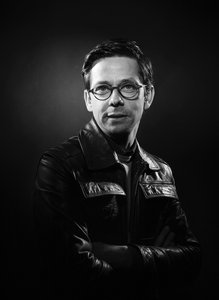
klaus fruchtnis
1978 - , Colombia
Quick Facts
- Artistic Movement Or Style: Neo-expressionism
- Artists Or Movements Influenced By This Artist:
- Graffiti art
- Street art
- Hip-hop culture
- Artists Who Influenced This Artist:
- Pichon
- Pollock
- Dubois
- Date Of Birth: December 22, 1960
- Date Of Death: August 12, 1988
- Full Name: Jean-Michel Basquiat
- Nationality: American
- Notable Artworks:
- Irony of Negro Policeman
- Skull of Doom
- Untitled (1982 Basquiat skull painting)
- Boy and Dog in a Johnnypump
- Place Of Birth: New York City, U.S.

