

 Preview
 Send
Send Share
Share
 Details

 Download
 Similars
 X-Ray
X-Ray Diaporama
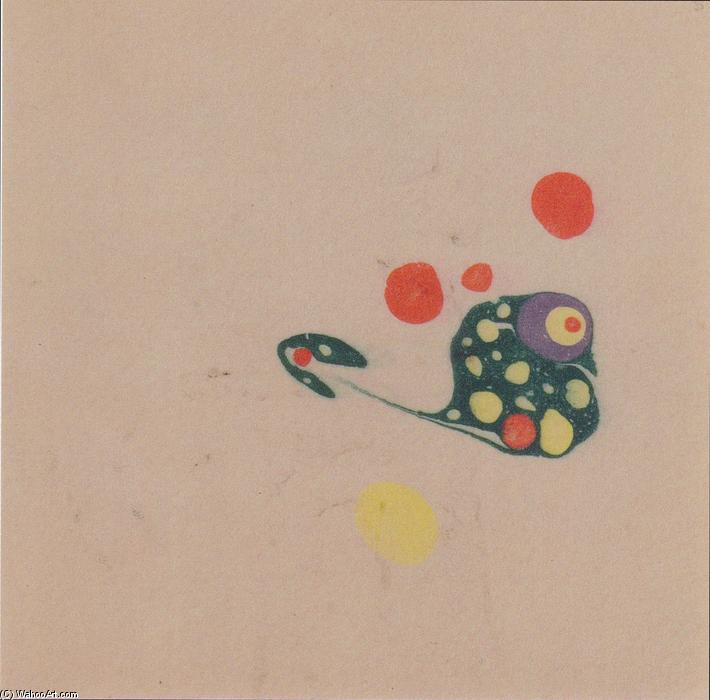
Animal motif for a picture book
 Gouache
- WallArt
- Art Nouveau
 1904
1904- Modern
 16.0 x 18.0 cm
 Read More
Purchase a high-resolution, enhanced digital image, far superior to the online preview.
Each file is meticulously prepared by our in-house specialists using advanced tools and expert manual retouching. We ensure every image has exceptional clarity, precise color accuracy, and fine detail.
The final file is delivered via email within 72 hours, optimized for immediate use in professional, editorial, and print environments. This is the same quality trusted by top-tier design studios, publishers, and galleries.
Digital Image
Download a high-resolution file for personal display, printing, and creative projects. ( Buy Print Buy Hand Made Painting)
Included in Every Digital Image Order
Expert Digital Delivery, Guaranteed
When you choose ArtsDot.com, you're not just getting an image - you're receiving a professionally enhanced digital artwork, crafted with precision and backed by a satisfaction guarantee. Here's everything that comes with your order, automatically:

Fast Email Delivery
Your high-resolution digital image file will be emailed to you within 72 hours of ordering - ready for immediate use.

AI-Enhanced Digital File
Your artwork is professionally optimized using advanced AI tools and manual editing, ensuring maximum detail, clarity, and color accuracy.

Free Lifetime Re-Delivery
Accidentally deleted or lost your file? No worries - we'll resend it to you anytime, free of charge.

No Import Fees - Ever
Enjoy your artwork instantly with zero customs, duties, or delivery fees - digital downloads are always tax-free.

Color Accuracy Guarantee
We ensure your digital image reflects the original colors as closely as possible using professional tools and color management.

60-Day Satisfaction Guarantee
If you're not satisfied with your digital image, we'll revise it or refund 100% within 60 days - no questions asked.

100% Money-Back Guarantee
Not satisfied? Get a full refund within 60 days of receiving your digital file - no questions asked.

Bulk Order Discounts
Buy 3 images, save 10% - Buy 5, save 15% - Buy 10+, save 20%. Great for creative projects, galleries, and agencies.
Collectible Description
A Whimsical Echo from the Dawn of Modern Design
This captivating piece, an Animal motif for a picture book, transports the viewer into a realm where imagination takes flight. Dating to circa 1904, it captures the delicate transition between the ornate flourish of Art Nouveau and the clean lines that would define modern graphic design. The subject itself—a stylized bird figure surrounded by playful, scattered circles—is rendered with an almost childlike joy, yet executed with the sophisticated hand of a master artisan. It speaks to a time when art was actively seeking new visual languages, moving away from rigid academic traditions toward something more spontaneous and emotionally resonant.
Mastery in Graphic Simplicity
Koloman Moser’s touch is evident in the piece's remarkable economy of means. Observe how form is suggested rather than meticulously rendered; the bird exists through bold, rounded shapes—a vibrant constellation of black, green, purple, yellow, and red circles against a serene beige ground. This technique eschews deep perspective for a delightful flatness, presenting the composition on a single, intimate plane. The artist masterfully employs color not for realistic shading, but for pure decorative impact. It is a graphic poetry where every shape contributes to a sense of buoyant, unburdened movement.
Historical Resonance and Decorative Appeal
As a work connected to the Vienna Secession movement, this piece embodies the spirit of artistic reform that swept through early 20th-century Vienna. Moser was a pivotal figure who understood the power of design to permeate daily life, whether on postage stamps or in illustrated books. For the contemporary collector or designer, this translates into unparalleled decorative versatility. Imagine this motif brought into a modern interior; its inherent whimsy softens sharp architectural edges, while its graphic clarity complements minimalist aesthetics. It is an artifact that whispers tales of Viennese artistic innovation.
Symbolism and Emotional Connection
The bird, universally recognized as a symbol of freedom and the spirit, here takes on a particularly joyful resonance suitable for childhood wonder. The scattered circles surrounding it feel like bursts of pure delight—visual echoes of laughter or sudden inspiration. There is no narrative weight to be deciphered, only an immediate feeling of lightness. Owning this reproduction allows one to curate a space imbued with that same sense of unbridled optimism and artistic playfulness.
Technique for the Modern Home
The execution suggests opaque paints, perhaps gouache or tempera, applied with confident, flat strokes. This technique ensures that the colors remain vibrant and distinct, resisting the muddiness that can sometimes plague older painted works. When considering a reproduction for your home, you are acquiring not just an image, but a tangible piece of decorative history—a perfect marriage of early modern graphic design principles and enduring, joyful artistry.
Related Artworks

Artist Biography
Early Life and Education
Koloman Moser, born on March 30, 1868, in Vienna, Austria-Hungary (now part of Croatia), was a pivotal figure in the Austrian art scene, particularly renowned for his contributions to graphic art and as a founding member of the Vienna Secession movement. His artistic journey began with formal studies at the Wiener Akademie and the Kunstgewerbeschule, where he later became an instructor from 1899 onwards. This academic foundation proved crucial in shaping his versatile career across various mediums. Moser’s family background influenced his early exposure to art and design, fostering a keen eye for detail and aesthetics that would define his artistic style.Artistic Contributions: A Multifaceted Career
- Graphic Art: Moser's impact on graphic art is undeniable. He designed postage stamps, magazine vignettes, and other printed materials with distinctive geometric patterns and stylized imagery. His designs were characterized by their clarity, elegance, and innovative use of typography.
- Fashion and Applied Arts: Beyond graphic design, Moser’s talent extended to fashion, stained glass windows, porcelains, ceramics, blown glass, tableware, silver, and jewelry. This demonstrates his commitment to integrating art into everyday life.
- Architecture: His architectural designs, most notably the apse mosaic and glass windows for the Kirche am Steinhof in Vienna (1904), showcase his ability to blend artistic vision with functional design. These works are considered masterpieces of Art Nouveau architecture.
The Wiener Werkstätte and Collaborative Spirit
In 1903, Moser co-founded the Wiener Werkstätte (Vienna Workshop) alongside Josef Hoffmann. This collaborative workshop aimed to create aesthetically pleasing household goods by uniting artists and craftsmen. The Wiener Werkstätte championed a philosophy of “Gesamtkunstwerk” – total work of art – where every aspect of an object, from its design to its production, was carefully considered. Moser’s involvement in the Wiener Werkstätte solidified his commitment to functional beauty and elevated the status of applied arts.Influences, Development, and Legacy
Moser's artistic development was influenced by several key movements, including Art Nouveau, Symbolism, and the Vienna Secession. He drew inspiration from Japanese woodblock prints, which informed his use of flat planes of color and simplified forms. His style evolved over time, becoming increasingly abstract and geometric while retaining a sense of elegance and refinement. Moser’s legacy is cemented by his designs being immortalized on the Austrian 100 Euro Steinhof Church commemorative coin (2005), recognizing his enduring influence on art and design. He died in Vienna in 1918, leaving behind a significant body of work that continues to inspire artists and designers today. His contributions helped shape the course of modern art and design, emphasizing the importance of integrating beauty into everyday objects and spaces.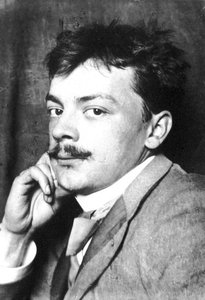
Koloman Moser
1868 - 1918 , Croatia
Quick Facts
- Artistic Movement Or Style: Vienna Secession
- Artists Or Movements Influenced By This Artist: ['Wiener Werkstätte']
- Date Of Birth: March 30, 1868
- Date Of Death: 1918
- Full Name: Koloman Moser
- Nationality: Austrian
- Notable Artworks:
- Decorating of the facade
- Dancer
- Three crouching women
- The Frog King
- Clash of the Titans
- The Three Graces
- The light
- Place Of Birth: Vienna, Croatia

