 Preview
 Send
Send Share
Share
 Details

 Download
 Similars
 X-Ray
X-Ray Diaporama
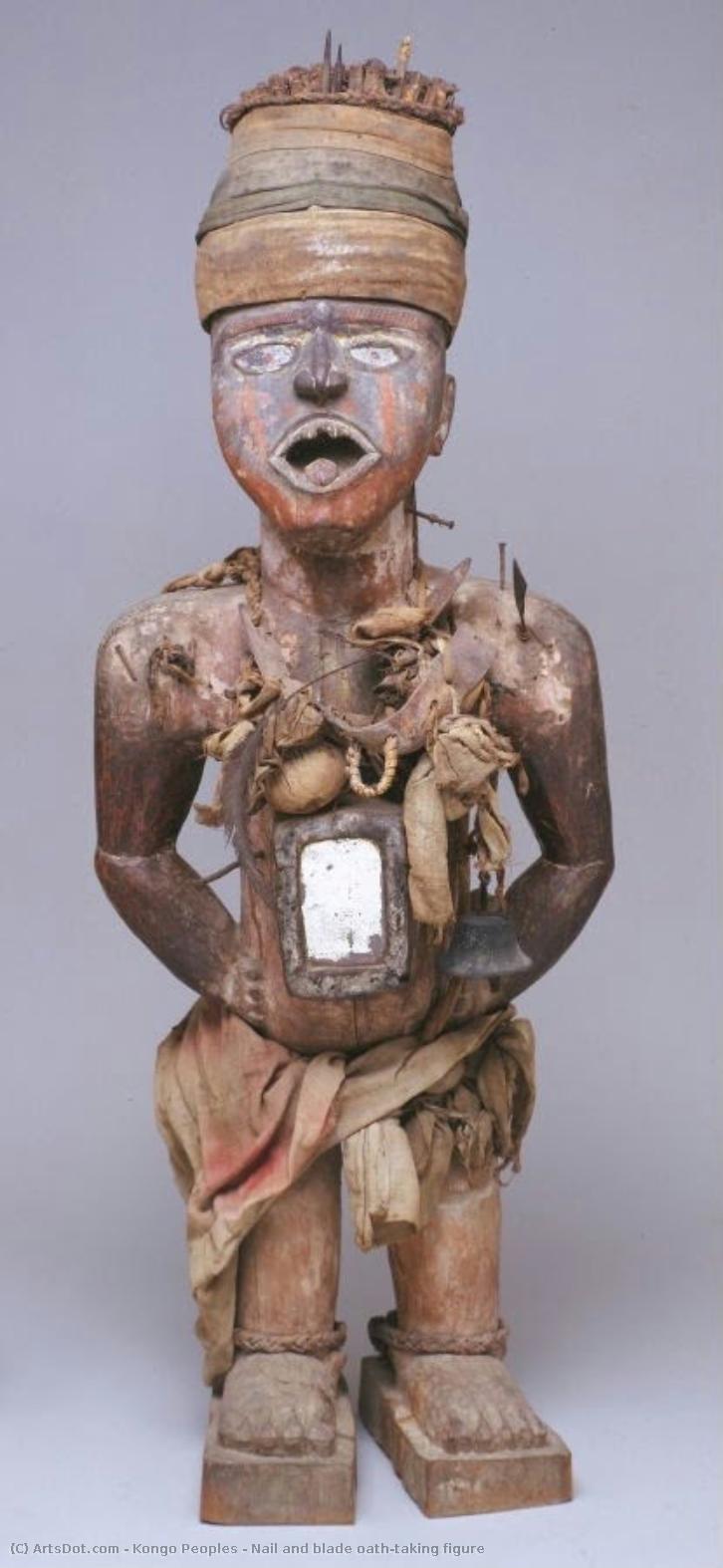
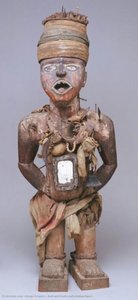
Nail and blade oath-taking figure


 Read More
Hand Made Oil Reproduction
Hand-painted oil on canvas in your size and frame, made to order by our artists. ( Buy Print Buy Image)




































Pick from our preset sizes that match the artwork's original proportions.

You may enter your own dimensions to fit a specific frame or space. If your selected size does not match the original image's proportions, we will either crop the artwork or extend the painting with additional hand-painted elements. A digital mockup will be sent for your approval before production begins.
Please note that the on-screen preview does not reflect the actual cropping or extension. Only the mockup will accurately show the final composition.
While custom sizes are available, we recommend selecting a dimension from the predefined list to preserve the original proportions.
After order, ArtsDot.com team will email client for instructions and provide a mockup preview
Worldwide Delivery () in 3/4 weeks instead of standard 5 weeks. (19 August). No compromise on quality.

Free Worldwide Express Shipping

High-Quality Linen Canvas

Full Shipping Insurance

Customs Tax Refund Guarantee

True Color Matching Guarantee

60-Day Return Policy (Defects Only)

100% Money-Back Guarantee

Bulk Discount Offer
 Glass option is only available in size under 110 CM

Nail and blade oath-taking figure
Reproduction Medium
Reproduction Size
-


Total Price
$ 263
Related Artworks
Artist Biography
The Enigmatic Kongo Peoples: Masters of Ivory and Spiritual Power
The Kongo peoples, a collective term encompassing diverse groups inhabiting the region spanning present-day Angola, the Democratic Republic of Congo, and parts of Gabon and Cameroon, represent not a single unified artistic entity but rather a constellation of related cultures bound by shared traditions, beliefs, and aesthetic sensibilities. Their history is deeply interwoven with the powerful Kingdom of Kongo, which flourished from the 14th to the 19th centuries, establishing complex political structures and extensive trade networks that profoundly shaped their art. Unlike artists who sign their names or maintain individual reputations, Kongo artistry was largely anonymous, embedded within ritual practices and communal life. The works themselves—often carved in wood, but notably also in ivory—were not conceived as standalone objects of beauty but as potent instruments for mediating between the visible and spiritual realms.Ivory’s Symbolic Weight: A Legacy of Skill
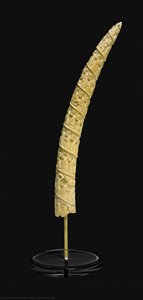
While woodworking held a prominent place in Kongo artistic expression, it is their mastery of ivory carving that has captured particular attention in recent centuries. The demand for ivory fueled both internal trade within the Kingdom and external commerce with European powers, leading to the creation of exquisite tusks adorned with intricate relief carvings. These were not merely decorative items; they served as symbols of wealth, status, and political authority. The act of carving itself was imbued with spiritual significance, requiring skilled artisans who possessed a deep understanding of Kongo cosmology and ancestral beliefs. The ivory tusk, in particular, held immense power—representing life force, fertility, and the continuity of lineage. Exquisite examples showcase scenes depicting proverbs, historical events, or figures embodying moral virtues, offering invaluable insights into Kongo social structures and ethical codes. These tusks were often presented as diplomatic gifts, used in oath-taking ceremonies, or incorporated into royal regalia, underscoring their multifaceted role within the kingdom’s political landscape.Ritual Objects and Spiritual Beliefs
Beyond ivory carvings, the Kongo peoples produced a diverse range of ritual objects designed to interact with the spirit world. Nkisi figures, perhaps the most iconic examples of Kongo art, are power objects—sculptures into which spiritual forces were believed to reside. These figures, often made of wood and adorned with metal attachments, shells, beads, and other materials, served as vessels for containing *nkisi*, a type of spirit or energy that could be invoked for protection, healing, or divination. The addition of these elements wasn’t arbitrary; each material possessed specific properties believed to enhance the figure's power. Similarly, nail-and-blade oath-taking figures demonstrate the importance of contracts and social agreements within Kongo society. These sculptures were used in ceremonies where individuals swore oaths, with nails driven into the figure symbolizing the binding nature of their commitments.The Impact of Colonialism and Trade
The arrival of Portuguese traders in the 15th century marked a turning point in Kongo history, initiating centuries of trade that profoundly impacted both the kingdom’s political structure and its artistic production. While initially fostering economic growth, the transatlantic slave trade gradually eroded the kingdom's power and stability. The demand for ivory continued to rise, leading to increased exploitation of resources and disruption of traditional practices. European influence also manifested in the subject matter of Kongo art—some carvings began incorporating Christian motifs alongside indigenous symbols, reflecting a complex process of cultural exchange and adaptation. However, it’s crucial to avoid viewing this as simple assimilation; Kongo artists often reinterpreted these foreign elements through their own cosmological lens, imbuing them with new meanings and significance.A Continuing Legacy: Preserving the Spirit of Kongo Art
Despite facing immense challenges—including colonialism, political upheaval, and the suppression of traditional beliefs—the artistic traditions of the Kongo peoples have endured. Today, scholars and collectors alike recognize the profound cultural value of these works, not merely as historical artifacts but as living embodiments of a rich spiritual heritage.- The study of Kongo art provides invaluable insights into pre-colonial African societies.
- Their mastery of materials—particularly ivory—demonstrates exceptional technical skill and artistic ingenuity.
- Nkisi figures offer a unique window into Kongo cosmology, ritual practices, and beliefs about the spirit world.
Quick Facts
- Date Of Death: Living
- Full Name: Kongo Peoples
- Notable Artworks:
- Carved ivory tusk
- Nail and blade oath-taking figure