 Preview
 Send
Send Share
Share
 Details

 Download
 Similars
 X-Ray
X-Ray Diaporama
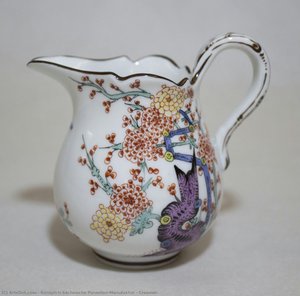
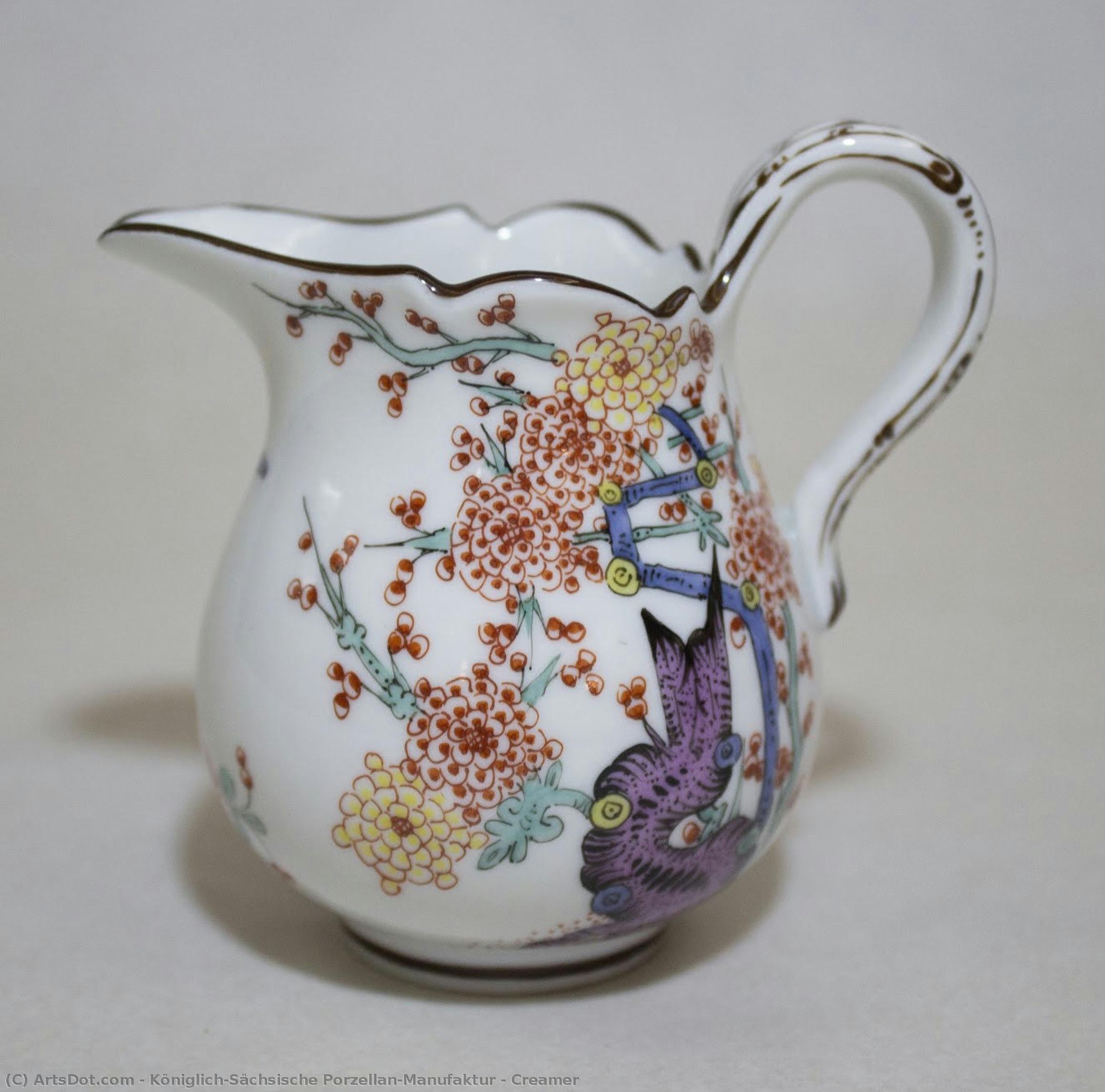
Creamer

 Read More
Giclée / Art Print
Museum-quality giclée or canvas print with fast production and flexible finish options. ( Buy Hand Made Painting Buy Image)




































Pick from our preset sizes that match the artwork's original proportions.

You may enter your own dimensions to fit a specific frame or space. If your selected size does not match the original image's proportions, we will either crop the artwork or extend the image with a mirrored or solid-fill edge. A digital mockup will be sent for your approval before production begins.
Please note that the on-screen preview does not reflect the actual cropping or extension. Only the mockup will accurately show the final composition.
While custom sizes are available, we recommend selecting a dimension from the predefined list to preserve the original proportions.
Worldwide Delivery () in 2 weeks instead of standard 4/5 weeks. (30 August)

Free Worldwide Express Shipping

High-Quality Linen Canvas

Full Shipping Insurance

Customs Tax Refund Guarantee

True Color Matching Guarantee

60-Day Return Policy (Defects Only)

100% Money-Back Guarantee

Bulk Discount Offer
 Glass option is only available in size under 110 CM

Creamer
Giclée / Art Print
Reproduction Size
-


Total Price
$ 63
Related Artworks







Artist Biography
Royal Meissen Porcelain Manufacture: A Legacy of Elegance and Innovation
The Royal Porcelain Factory, commonly known as königlich-sächsische porzellan-manufaktur, stands as a monumental achievement in European artistic history—the progenitor of modern hard-paste porcelain. Established in 1710 by Augustus the Strong, King of Poland and Elector of Saxony, it wasn’t merely a commercial venture; it was a deliberate assertion of royal prestige and a bold gamble on scientific advancement that irrevocably transformed the decorative arts landscape. Located initially within the opulent Albrechtsburg Castle in Meissen, Germany, the factory relocated to its current site in 1863, cementing its enduring presence as one of Europe’s foremost porcelain producers.- Origins and Founding Vision: Augustus’s ambition wasn't simply to produce beautiful objects; he sought to emulate the famed Jingdezhen kilns of China—a feat previously deemed impossible by European artisans. Driven by a fascination with Eastern craftsmanship, he appointed Johann Friedrich Böttger, a Saxon alchemist, to oversee the development of a new firing technique that would achieve the desired hardness and translucency.
- The Scientific Breakthrough: Böttger’s meticulous experimentation—combining kaolin clay, flint nodules, and wood ash—yielded a revolutionary process. This “hard-paste” method, unlike its predecessor “soft-paste,” involved firing at higher temperatures and utilizing precise control over atmospheric conditions. It represented a triumph of scientific observation and methodical trial-and-error, fundamentally altering the possibilities for porcelain production.
- Early Artistic Style: Rococo Influence: The factory’s initial artistic output embraced the exuberant spirit of Rococo—characterized by flowing curves, pastel colors, and elaborate ornamentation. Early pieces showcased exquisite floral motifs, gilded accents, and delicate figurines depicting mythological figures and pastoral scenes. These designs reflected the prevailing aesthetic sensibilities of the era and established Meissen as a leader in decorative arts.
Development and Artistic Evolution
Throughout the 18th century, Royal Meissen continued to refine its techniques and expand its artistic repertoire. The influence of Baroque art persisted alongside Rococo’s elegance, resulting in pieces that blended grandeur with refined detail. Sculptors like Johann Joachim Eberhard Gbenter and Emanuel Schäfer produced breathtaking figurines—often commissioned by European royalty—that captured the dynamism and emotion of classical sculpture. Furthermore, Meissen embraced innovations in glaze chemistry, achieving unprecedented levels of color brilliance and surface texture.- The Napoleonic Era: The Napoleonic Wars brought significant challenges to the factory’s operations but also spurred artistic experimentation. Artists explored new forms and styles, reflecting the broader cultural currents of the time. Notably, Meissen developed a distinctive “Napoleon Sèvres” glaze—a creamy white enamel that imitated the porcelain produced in Paris during Napoleon's reign.
- Victorian Period and Aesthetic Movement: During the Victorian era, Royal Meissen maintained its reputation for quality craftsmanship while adapting to evolving tastes. The Aesthetic Movement championed beauty for its own sake, inspiring artists to create pieces that prioritized elegance and subtlety over explicit narrative content.
The Crossed Swords Logo: A Symbol of Excellence
Established in 1720, the crossed swords logo—a testament to Meissen’s unwavering commitment to quality—became an instantly recognizable emblem of German porcelain artistry. This symbol embodies not only the factory's history but also its enduring ethos of precision and innovation. It remains visible on every piece produced today, serving as a tangible reminder of Meissen’s legacy.Historical Significance
Royal Meissen Porcelain Manufacture holds an unparalleled place in art history—it represents the first successful European production of hard-paste porcelain and profoundly impacted artistic styles across Europe. Its pioneering spirit fostered scientific inquiry, propelled artistic creativity, and established Meissen as a cornerstone of German cultural heritage. Today, it continues to produce exquisite porcelain masterpieces that celebrate tradition while embracing contemporary design sensibilities, ensuring that its legacy endures for generations to come.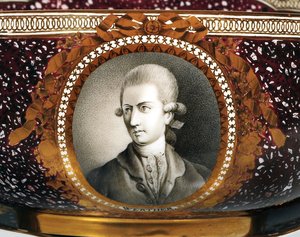
königlich-sächsische porzellan-manufaktur
1710 - , Germany
Quick Facts
- Artistic Movement Or Style: Rococo
- Artists Or Movements Influenced By This Artist: ['Baroque']
- Artists Who Influenced This Artist: ['Frederick the Great']
- Date Of Birth: Meissen, Germany (1710)
- Full Name: Royal Meissen Porcelain Manufacture
- Nationality: German
- Notable Artworks: ['Creamer']
- Place Of Birth: Meissen