 Preview
 Send
Send Share
Share
 Details

 Download
 Similars
 X-Ray
X-Ray Diaporama
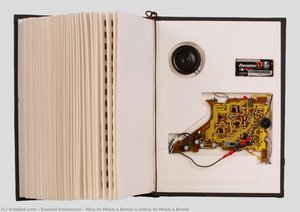
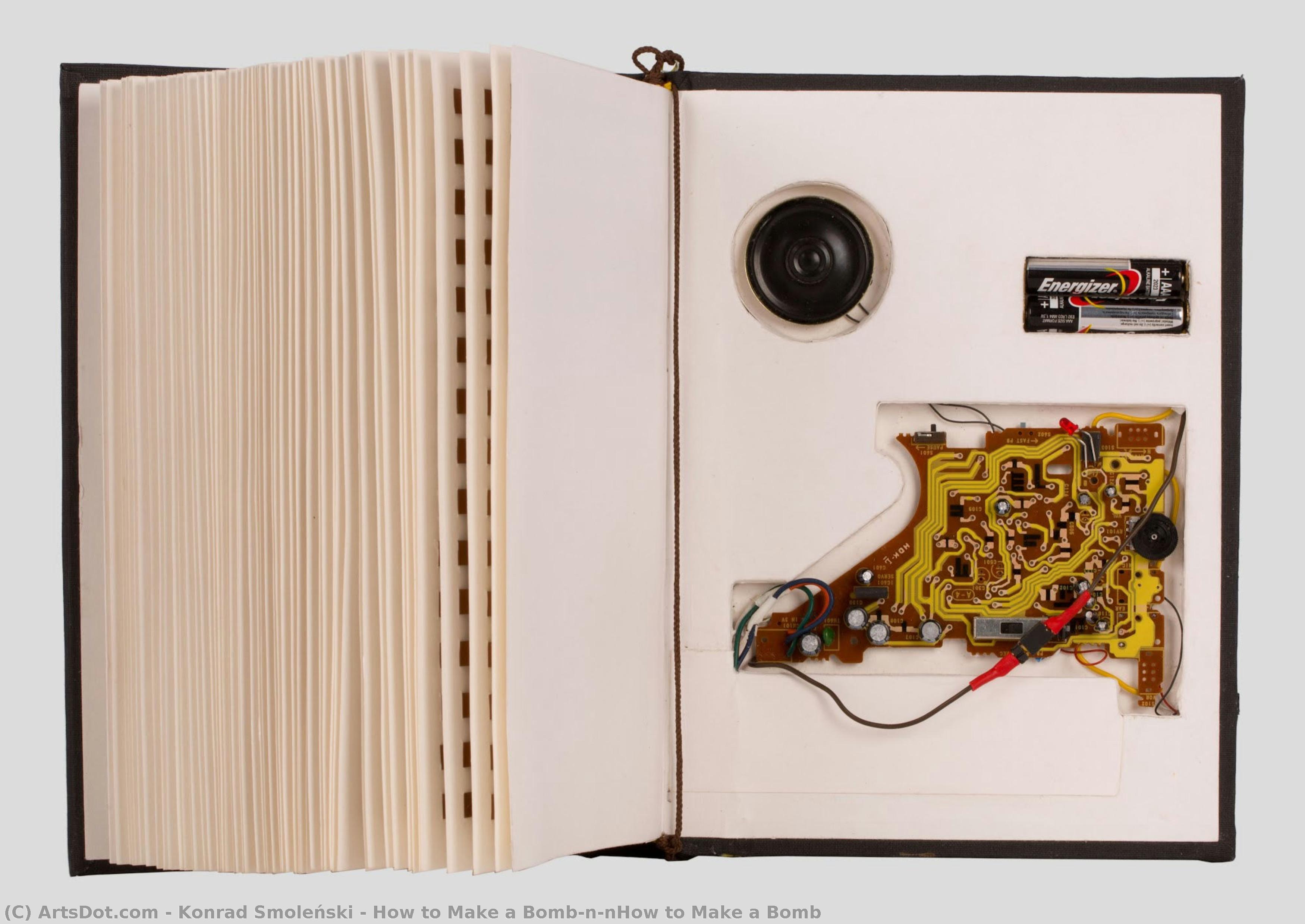
How to Make a Bomb\n\nHow to Make a Bomb


 Read More
Giclée / Art Print
Museum-quality giclée or canvas print with fast production and flexible finish options. ( Buy Hand Made Painting Buy Image)




































Pick from our preset sizes that match the artwork's original proportions.

You may enter your own dimensions to fit a specific frame or space. If your selected size does not match the original image's proportions, we will either crop the artwork or extend the image with a mirrored or solid-fill edge. A digital mockup will be sent for your approval before production begins.
Please note that the on-screen preview does not reflect the actual cropping or extension. Only the mockup will accurately show the final composition.
While custom sizes are available, we recommend selecting a dimension from the predefined list to preserve the original proportions.
Worldwide Delivery () in 2 weeks instead of standard 4/5 weeks. (25 August)

Free Worldwide Express Shipping

High-Quality Linen Canvas

Full Shipping Insurance

Customs Tax Refund Guarantee

True Color Matching Guarantee

60-Day Return Policy (Defects Only)

100% Money-Back Guarantee

Bulk Discount Offer
 Glass option is only available in size under 110 CM

How to Make a Bomb\n\nHow to Make a Bomb
Giclée / Art Print
Reproduction Size
-


Total Price
$ 63
Collectible Description
Related Artworks









Artist Biography
Early Life and Artistic Beginnings
Konrad Smoleński, born in Kalisz, Poland in 1977, emerged as a compelling voice within the Polish contemporary art landscape, though his artistic trajectory defies easy categorization. His formative years were steeped in a DIY ethos, a spirit of experimentation that would become central to his practice. Rather than following a conventional path, Smoleński cultivated an interdisciplinary approach from the outset, blurring boundaries between visual art, music, and performance. He received his education at the Academy of Fine Arts in Poznań, graduating with a degree in photography, but this foundation served as merely a springboard for explorations far beyond the static image.
The early 2000s saw Smoleński actively engaging with the underground cultural scene of Poznań. This period was crucial in shaping his aesthetic sensibilities and fostering collaborations that would define much of his subsequent work. He became deeply involved with the Penerstwo group, a collective known for its provocative interventions and embrace of raw, unrefined expression. The term “pener,” a local Poznań dialect word denoting a sort of ‘sensitive boor,’ encapsulates the group’s rejection of established artistic norms and their fascination with the fringes of society. This rebellious spirit, coupled with an interest in sound, led to the formation of various musical projects—bands like K.O.T., Sixa, and Czykita—and ultimately, the animation of the PINKPUNK scene.
The Sonic Landscape and Performance Art
Smoleński’s work is fundamentally concerned with the experience of sound. It isn't merely about creating music; it’s about manipulating auditory space, exploring its psychological effects, and challenging conventional notions of composition and reception. This fascination often manifests in installations that incorporate custom-built instruments—objects that are as visually striking as they are sonically potent. The infamous “guitar” crafted from a dog’s skull exemplifies this approach, simultaneously unsettling and captivating.
Performance art is another cornerstone of Smoleński's practice. His performances aren’t passive displays; they are often confrontational, visceral experiences designed to disrupt the audience’s expectations. The use of pyrotechnics—fireworks and controlled burns—is a recurring motif, serving as both a spectacular visual element and a potent symbol of destruction, transformation, and the ephemeral nature of existence. These actions frequently carry a metaphorical weight, hinting at themes of mortality and societal upheaval.
Major Achievements and International Recognition
Smoleński’s breakthrough moment came with his representation of Poland at the 55th Venice Biennale in 2013. His monumental installation, “Everything Was Forever, Until It Was No More,” captivated audiences with its haunting soundscape and minimalist aesthetic. The work centered around the manipulation of a bell’s tolling—an ancient instrument that has historically marked time and signaled both celebration and mourning. By deconstructing and recontextualizing this familiar sound, Smoleński prompted viewers to contemplate the passage of time, memory, and the fragility of permanence.
Beyond Venice, Smoleński's work has been exhibited in numerous galleries and museums internationally. He continues to push boundaries with projects that defy easy categorization, often incorporating video, photography, sculpture, and music into complex, multi-layered installations. His collaborations remain vital, particularly his ongoing involvement with the Penerstwo group and his exploration of experimental sound within various musical contexts.
Themes, Influences, and Historical Significance
Smoleński’s work is deeply rooted in a punk aesthetic—not necessarily in its sonic qualities, but in its spirit of rebellion, DIY ethos, and rejection of mainstream culture. However, his approach transcends mere stylistic imitation. He infuses this rebellious energy with a precision and ascetic character that sets him apart. There's a deliberate minimalism to his work, a stripping away of excess to reveal the raw essence of sound, image, and experience.
His artistic influences are diverse, ranging from experimental music pioneers to conceptual artists who challenged traditional notions of art-making. He draws inspiration from noise music, industrial aesthetics, and the history of performance art. However, Smoleński’s unique contribution lies in his ability to synthesize these disparate elements into a cohesive and compelling vision.
Smoleński's historical significance resides in his willingness to challenge conventional artistic boundaries and explore the intersection of sound, image, and performance. He represents a generation of Polish artists who are unafraid to confront difficult themes and push the limits of creative expression. His work serves as a powerful reminder of the ephemeral nature of existence, the psychological impact of sound, and the enduring power of rebellion.
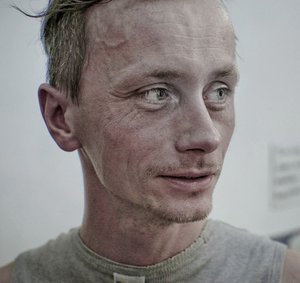
konrad smoleński
1977 - , Poland
Quick Facts
- Artistic Movement Or Style: Experimental multimedia art
- Date Of Birth: 1977
- Full Name: Konrad Smoleński
- Nationality: Polish
- Notable Artworks:
- 8780h
- Guard
- Energy Hunters
- Everything Was Forever
- Place Of Birth (City And Country): Kalisz, Poland