 Preview
 Send
Send Share
Share
 Details

 Download
 Similars
 X-Ray
X-Ray Diaporama
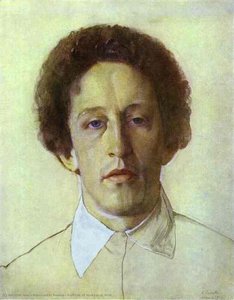
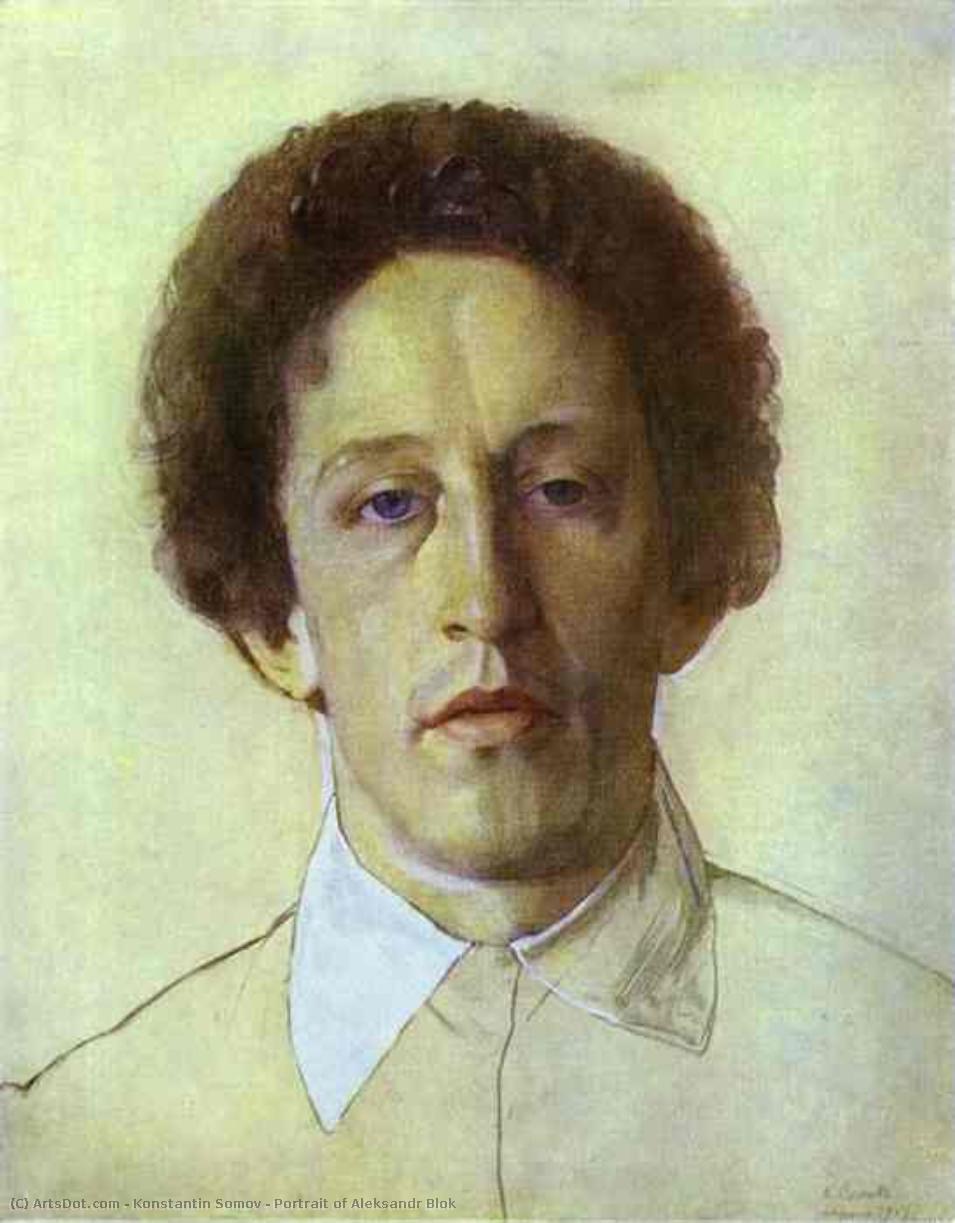
Portrait of Aleksandr Blok


 Read More
Hand Made Oil Reproduction
Hand-painted oil on canvas in your size and frame, made to order by our artists. ( Buy Print Buy Image)




































Pick from our preset sizes that match the artwork's original proportions.

You may enter your own dimensions to fit a specific frame or space. If your selected size does not match the original image's proportions, we will either crop the artwork or extend the painting with additional hand-painted elements. A digital mockup will be sent for your approval before production begins.
Please note that the on-screen preview does not reflect the actual cropping or extension. Only the mockup will accurately show the final composition.
While custom sizes are available, we recommend selecting a dimension from the predefined list to preserve the original proportions.
After order, ArtsDot.com team will email client for instructions and provide a mockup preview
Worldwide Delivery () in 3/4 weeks instead of standard 5 weeks. (23 August). No compromise on quality.

Free Worldwide Express Shipping

High-Quality Linen Canvas

Full Shipping Insurance

Customs Tax Refund Guarantee

True Color Matching Guarantee

60-Day Return Policy (Defects Only)

100% Money-Back Guarantee

Bulk Discount Offer
 Glass option is only available in size under 110 CM

Portrait of Aleksandr Blok
Reproduction Medium
Reproduction Size
-


Total Price
$ 263
Related Artworks







Artist Biography
The Enigmatic World of Konstantin Somov: A Master of Russian Symbolism
Konstantin Andreyevich Somov, born in St. Petersburg, Russia, on August 30, 1869, and died in Paris, France, on February 5, 1939, was a pivotal figure in the development of modern Russian art. He wasn’t merely a painter; he was an orchestrator of atmosphere, a chronicler of a fading aristocracy, and a key member of *Mir iskusstva* (The World of Art), an artistic association that profoundly reshaped the landscape of early 20th-century Russian culture. Somov's life unfolded against a backdrop of immense social and political upheaval, and his art reflects both the opulent beauty he cherished and the melancholic premonition of its inevitable loss. He came from a family deeply immersed in intellectual pursuits – his father was an archaeologist and historian, exposing him early on to a world of antiquities and aesthetic refinement. This upbringing instilled in Somov a lifelong passion for historical costume, decorative arts, and the meticulous study of artistic technique. Somov’s initial training was conventional, at the Imperial Academy of Arts, but he quickly grew disillusioned with its rigid academic style. He sought alternative avenues for his creativity, finding inspiration in the works of European masters like Antoine Watteau and James McNeill Whistler. These influences steered him towards a more delicate, nuanced approach to painting, one that prioritized atmosphere, color, and suggestion over strict realism. A crucial turning point came with his involvement in *Mir iskusstva*, founded in 1898. This group, which included artists like Alexander Benois, Léon Bakst, and Eugene Lansere, rejected the prevailing naturalist trends in favor of a more subjective, symbolic aesthetic. Somov became one of its leading ideologues, advocating for an art that was both refined and intellectually stimulating.Aestheticism and the Revival of 18th-Century Russia
Somov’s early work is characterized by a remarkable fascination with the 18th century – specifically, the era of Empress Elizabeth Petrovna and Catherine the Great. He didn't simply recreate historical scenes; he *reimagined* them, infusing them with a sense of wistful nostalgia and subtle eroticism. Paintings like “Lady in Blue” (1897-98) and “Young Lady at the Window” (1900) are not portraits in the traditional sense but rather evocations of an aristocratic past, populated by elegant figures lost in reverie. These works showcase his masterful technique – a delicate brushstroke, luminous color palette, and meticulous attention to detail in rendering fabrics, jewelry, and interiors. He often depicted these scenes with a deliberately ambiguous narrative quality, inviting viewers to project their own emotions and interpretations onto the canvas. This aestheticism wasn’t merely about beauty for its own sake; it was also a form of social commentary, a subtle lament for a world that was rapidly disappearing. Somov's interest in costume extended beyond painting into theatrical design, notably his work with Sergei Diaghilev’s Ballets Russes, where he created stunning stage sets and costumes that captivated audiences worldwide.Symbolism and Psychological Depth
As the 1900s progressed, Somov's art became increasingly infused with symbolism. While still retaining his characteristic elegance and refinement, his paintings began to explore more complex psychological themes. “The Kiss” (1908), for example, depicts a clandestine encounter shrouded in mystery and sensuality. The figures are bathed in an ethereal light, their faces partially obscured, creating a sense of intimacy and vulnerability. Somov’s symbolism wasn't overtly religious or mythological; it was more subtle and personal, often drawing on literary allusions and dreamlike imagery. He explored themes of love, loss, memory, and the fleeting nature of time. His portraits from this period are particularly revealing, capturing not just the physical likeness of his sitters but also their inner lives – their anxieties, desires, and hidden emotions. He was a master of conveying mood and atmosphere through color, composition, and gesture.Later Years and Artistic Legacy
The Russian Revolution of 1917 marked a profound turning point in Somov’s life. He emigrated to Paris in 1918, where he continued to paint, but his work took on a more melancholic tone. The loss of his homeland and the destruction of the aristocratic world he so cherished weighed heavily on him. While he experimented with different styles throughout his career, he never fully abandoned his signature aesthetic – the delicate brushstroke, luminous color palette, and refined elegance that defined his early work.- Somov’s influence on Russian art is undeniable.
- He helped to establish a new artistic vocabulary that rejected both academic realism and populist nationalism.
- His paintings continue to captivate audiences with their beauty, elegance, and psychological depth.