 Preview
 Send
Send Share
Share
 Details

 Download
 Similars
 X-Ray
X-Ray Diaporama
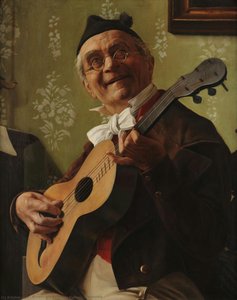
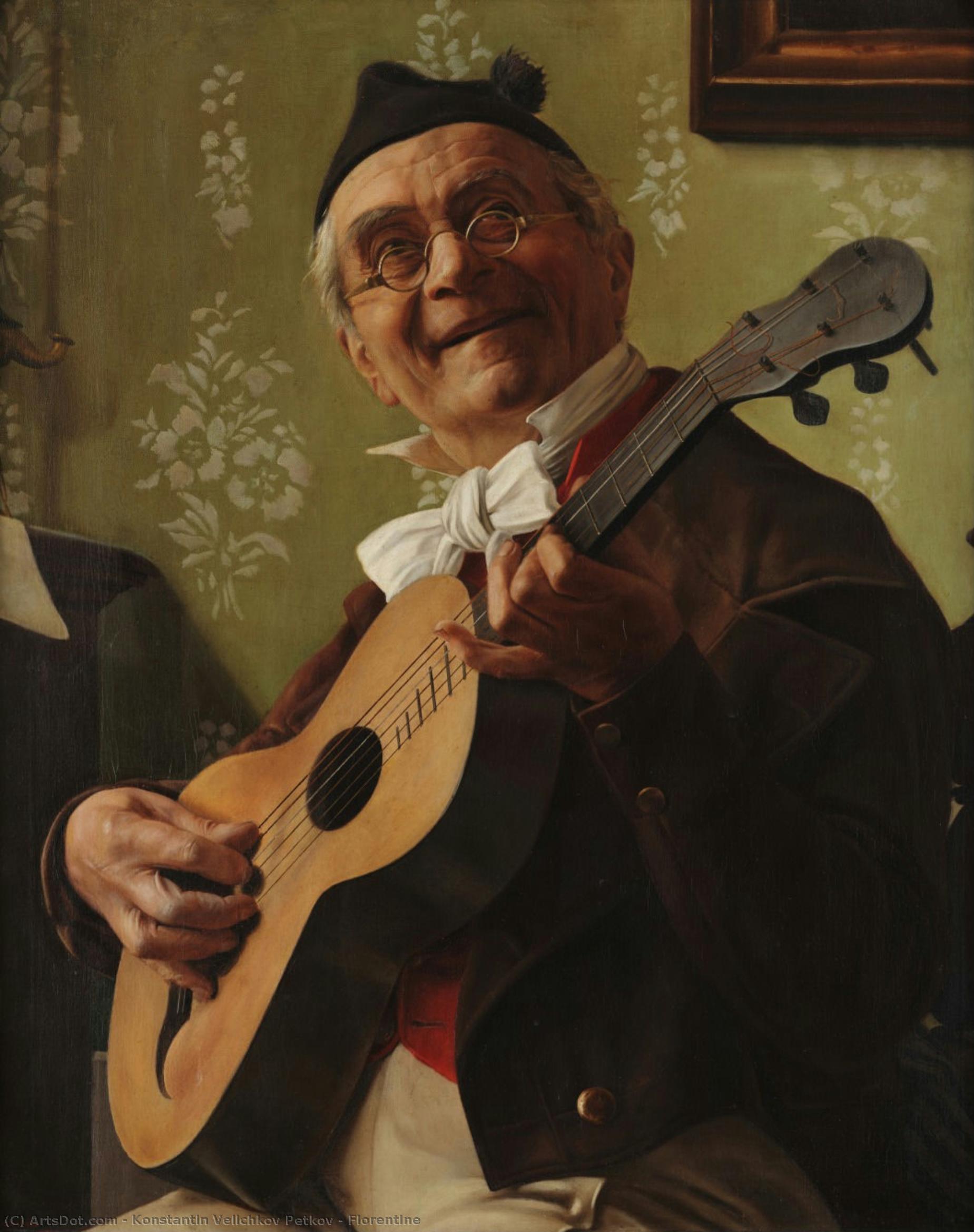
Florentine
 1888
1888 80.0 x 67.0 cm
 National Gallery of Bulgaria
 Read More
Hand Made Oil Reproduction
Hand-painted oil on canvas in your size and frame, made to order by our artists. ( Buy Print Buy Image)




































Pick from our preset sizes that match the artwork's original proportions.

You may enter your own dimensions to fit a specific frame or space. If your selected size does not match the original image's proportions, we will either crop the artwork or extend the painting with additional hand-painted elements. A digital mockup will be sent for your approval before production begins.
Please note that the on-screen preview does not reflect the actual cropping or extension. Only the mockup will accurately show the final composition.
While custom sizes are available, we recommend selecting a dimension from the predefined list to preserve the original proportions.
After order, ArtsDot.com team will email client for instructions and provide a mockup preview
Worldwide Delivery () in 3/4 weeks instead of standard 5 weeks. (17 August). No compromise on quality.

Free Worldwide Express Shipping

High-Quality Linen Canvas

Full Shipping Insurance

Customs Tax Refund Guarantee

True Color Matching Guarantee

60-Day Return Policy (Defects Only)

100% Money-Back Guarantee

Bulk Discount Offer
 Glass option is only available in size under 110 CM

Florentine
Reproduction Medium
Reproduction Size
-


Total Price
$ 263
Related Artworks
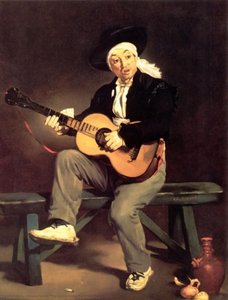
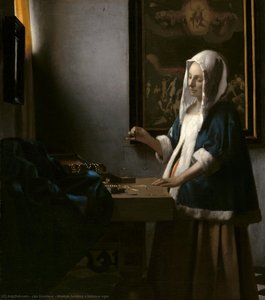
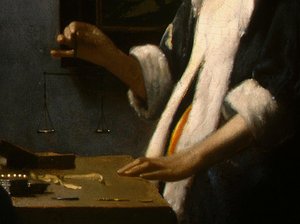
Artist Biography
A Soul Forged in Revolution and Renaissance
To understand the essence of Konstantin Velichkov Petkov is to understand the very heartbeat of the Bulgarian National Revival. Born in 1855 in Pazardzhik, a period when the shadows of Ottoman rule still loomed large over the Balkan Peninsula, Velichkov was far more than a mere painter; he was a polymath whose life was an intricate tapestry of political defiance, literary brilliance, and artistic devotion. His early years were defined by a profound intellectual awakening, nurtured within the prestigious halls of the Galatasaray High School in Istanbul. It was here, amidst the diverse scholarly currents of the Ottoman capital, that his character was molded, blending Western classical philosophy with a burgeoning, fierce nationalist sentiment that would eventually lead him to the front lines of history.
The trajectory of Velichkov’s life was irrevocably altered by the fires of rebellion. As a passionate advocate for Bulgarian liberation, he became a central figure in the preparations for the April Uprising of 1876. His role alongside revolutionaries like Todor Kableshkov was not merely one of intellectual support but of active, dangerous organization. The failure of this uprising brought him face-to-face with death, as Ottoman authorities sentenced him to execution. Yet, through the timely intervention of European diplomats, he escaped the gallows, a survival that allowed his voice to continue echoing through the halls of both literature and art. This period of persecution and near-tragedy infused his later creative works with a profound sense of gravity and a deep, empathetic connection to the struggle for national identity.
The Florentine Light and Artistic Vision
While his political life was marked by turbulence, Velichkov’s artistic development found its sanctuary in the serene landscapes and classical traditions of Europe. His travels to Italy, particularly to the cradle of the Renaissance, Florence, provided him with a transformative aesthetic education. Studying under masters such as Giovanni Fattori, he absorbed the nuances of Italian realism and the emotive power of Romantic idealism. This exposure allowed him to develop a technique that was both meticulous in its detail and deeply soulful in its execution. His brushwork often sought to capture the delicate interplay of light and shadow, a skill that brought a lifelike vitality to his subjects, whether they were scenes of local Bulgarian life or more classical, allegorical compositions.
Velichkov’s artistry was never isolated from his cultural mission. He possessed a unique ability to translate the spirit of the Bulgarian people into visual language. His work often served as a bridge between the rugged reality of Balkan existence and the refined elegance of European academic traditions. Beyond the canvas, his influence on the structural foundations of Bulgarian art was monumental. He was the visionary initiator behind the opening of the Drawing School in Sofia in 1896, an institution that would eventually evolve into the prestigious Bulgarian Academy of Fine Arts. Through this endeavor, he ensured that the flame of artistic excellence he had ignited in himself would be passed to future generations of Balkan creators.
A Legacy of Cultural Architecture
The true significance of Konstantin Velichkov Petkov lies in his role as a builder of a nation’s soul. His contributions were not confined to the studio; he served as a Member of the Bulgarian Parliament and held the pivotal position of Minister of Education for both Eastern Roumelia and the unified Bulgarian state. In these roles, he applied the same precision and passion found in his paintings to the construction of a national educational system and the cultivation of a literate, informed citizenry. He understood that for a nation to be truly free, it required not just political sovereignty, but a robust cultural and intellectual infrastructure.
As we reflect on his life, we see a man who navigated the transition from Ottoman subject to Bulgarian citizen with unparalleled grace and courage. His legacy is found in:
- The Literary Spirit: His dramatic works and prose that captured the emotional landscape of a nation in transition.
- The Visual Heritage: A body of work that blended the realism of the Italian school with the profound themes of Bulgarian identity.
- The Institutional Foundation: The establishment of formal art education in Bulgaria, providing a permanent home for the country's creative talent.
- The Revolutionary Heart: A life lived as a testament to the power of conviction and the pursuit of liberty.
Konstantin Velichkov remains an eternal symbol of the Bulgarian Renaissance, a master who painted not just with pigment, but with the very history and hope of his people.
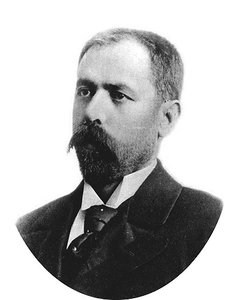
konstantin velichkov petkov
1855 - 1907 , Bulgaria
Quick Facts
- Artistic Movement Or Style: Ottoman period art
- Date Of Birth: 1855
- Date Of Death: November 3, 1907
- Full Name: Konstantin Velichkov Petkov
- Nationality: Bulgarian
- Notable Artworks: ['Florentine']
- Place Of Birth: Pazardzhik, Bulgaria