

 Preview
 Send
Send Share
Share
 Details

 Download
 Similars
 X-Ray
X-Ray Diaporama
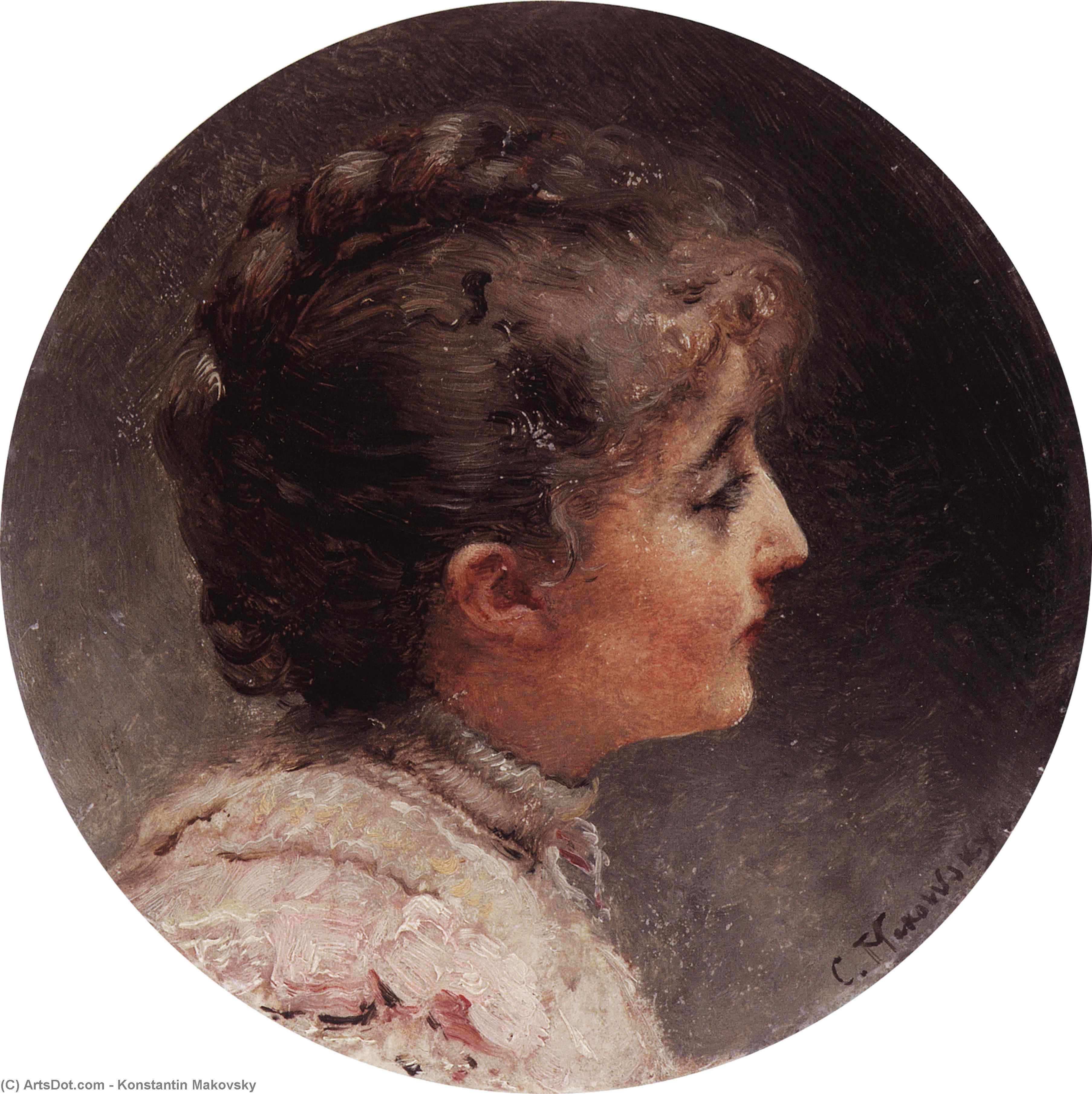
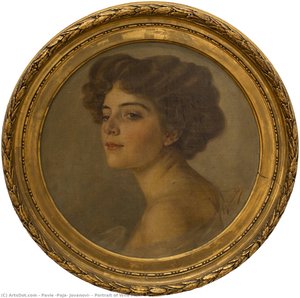
Portrait of Lady Vivien


 Read More
Purchase a high-resolution, enhanced digital image, far superior to the online preview.
Each file is meticulously prepared by our in-house specialists using advanced tools and expert manual retouching. We ensure every image has exceptional clarity, precise color accuracy, and fine detail.
The final file is delivered via email within 72 hours, optimized for immediate use in professional, editorial, and print environments. This is the same quality trusted by top-tier design studios, publishers, and galleries.
Digital Image
Download a high-resolution file for personal display, printing, and creative projects. ( Buy Print Buy Hand Made Painting)
Included in Every Digital Image Order
Expert Digital Delivery, Guaranteed
When you choose ArtsDot.com, you're not just getting an image - you're receiving a professionally enhanced digital artwork, crafted with precision and backed by a satisfaction guarantee. Here's everything that comes with your order, automatically:

Fast Email Delivery
Your high-resolution digital image file will be emailed to you within 72 hours of ordering - ready for immediate use.

AI-Enhanced Digital File
Your artwork is professionally optimized using advanced AI tools and manual editing, ensuring maximum detail, clarity, and color accuracy.

Free Lifetime Re-Delivery
Accidentally deleted or lost your file? No worries - we'll resend it to you anytime, free of charge.

No Import Fees - Ever
Enjoy your artwork instantly with zero customs, duties, or delivery fees - digital downloads are always tax-free.

Color Accuracy Guarantee
We ensure your digital image reflects the original colors as closely as possible using professional tools and color management.

60-Day Satisfaction Guarantee
If you're not satisfied with your digital image, we'll revise it or refund 100% within 60 days - no questions asked.

100% Money-Back Guarantee
Not satisfied? Get a full refund within 60 days of receiving your digital file - no questions asked.

Bulk Order Discounts
Buy 3 images, save 10% - Buy 5, save 15% - Buy 10+, save 20%. Great for creative projects, galleries, and agencies.
Collectible Description
Portrait of Lady Vivien: A Study in Romantic Reverie
The Portrait of Lady Vivien, executed by Konstantin Yegorovich Makovsky in 1900, stands as a quintessential exemplar of Romanticism – an artistic movement characterized by its profound preoccupation with emotion, imagination, and the sublime beauty of nature. More than just a depiction of a woman’s face, this painting delves into the realm of psychological introspection, inviting contemplation on themes of solitude, memory, and inner life. Makovsky's masterful handling of light and color contributes significantly to conveying these nuanced emotions.Composition and Technique: Capturing Essence Through Light
Makovsky skillfully employs a pyramidal composition, placing Lady Vivien centrally within the frame—a technique common in Romantic portraiture—to create a sense of stability while simultaneously directing the viewer’s gaze towards her serene expression. The artist utilizes soft, muted hues – predominantly creams and browns – to establish an atmosphere of intimacy and warmth. Delicate brushstrokes illuminate her face and hair, highlighting textures and creating subtle gradations that imbue the image with depth and luminosity. Makovsky's meticulous attention to detail is evident in the rendering of the pearl necklace and Lady Vivien’s clothing, demonstrating his commitment to capturing both visual accuracy and artistic nuance.Historical Context: The Romantic Spirit Embodied
Painted during a period marked by intellectual ferment and social upheaval—the late 19th century—the Portrait of Lady Vivien reflects the broader Romantic ethos prevalent in Russia at the time. Influenced by poets like Pushkin and novelists like Tolstoy, Makovsky’s work aligns with the movement's fascination for exploring the human psyche and portraying idealized figures imbued with moral virtue. The painting emerged from the collective effort of the Peredvizhniki (“Wanderers”), a group of Russian artists who championed realism and emotional expression as alternatives to academic conventions. Their rejection of idealized beauty favored depictions of everyday life, often infused with social commentary—a spirit that finds resonance in Makovsky’s portrayal of Lady Vivien's contemplative gaze.Symbolism: Beyond Appearance – An Exploration of Inner Thought
The woman’s averted gaze is arguably the painting’s most striking element, symbolizing her preoccupation with internal reflection and a detachment from external stimuli. The braid hairstyle—a fashionable embellishment of the era—adds to Lady Vivien's elegance while simultaneously serving as a visual anchor for the composition. Furthermore, the pearl necklace represents purity and refinement – motifs frequently employed in Romantic art to convey spiritual values and aspirations. Makovsky’s deliberate choice of color palette reinforces these symbolic associations, fostering an emotional connection between the viewer and the subject’s inner world.Emotional Impact: A Moment Frozen in Time
Ultimately, “Portrait of Lady Vivien” transcends mere visual representation; it succeeds in capturing a fleeting moment of profound stillness—a glimpse into the soul of a woman lost in contemplation. Makovsky's masterful technique evokes feelings of serenity and melancholy, prompting viewers to consider questions of identity, memory, and the elusive nature of beauty. It remains a testament to the enduring power of Romantic art to communicate complex emotions through subtle visual cues—a timeless masterpiece that continues to inspire admiration for its artistic merit and psychological depth.Related Artworks




Artist Biography
A Life Immersed in Russian Realism: The World of Konstantin Makovsky
Konstantin Yegorovich Makovsky, born into a Moscow household brimming with artistic sensibility in 1839, became one of the most celebrated and financially successful painters of his era. His father, Egor Ivanovich Makovsky, was an amateur artist and a pivotal figure in establishing the foundations of art education in Moscow, while his mother nurtured musical aspirations within young Konstantin. This dual influence – visual artistry from his father and a deep appreciation for harmony and expression from his mother – shaped a sensibility that would permeate his entire oeuvre. The family’s creative atmosphere extended beyond Konstantin; his brothers Vladimir and Nikolay also pursued painting careers, alongside their sister Alexandra, creating a dynasty of artistic talent. From an early age, Makovsky demonstrated exceptional aptitude, entering the Moscow School of Painting, Sculpture, and Architecture at just twelve years old, where he flourished under the tutelage of Karl Bryullov and Vasily Tropinin. It was Bryullov’s influence that instilled in him a penchant for romanticism and decorative effects, qualities that would subtly color his later, more realist works.
From Academic Roots to the Wanderers' Path
Makovsky continued his artistic education at the Imperial Academy of Arts in Saint Petersburg, beginning in 1858. Here, he produced significant early pieces like *Curing of the Blind* (1860) and *Agents of the False Dmitry kill the son of Boris Godunov* (1862), showcasing a developing skill for narrative composition and historical detail. However, it was his involvement in the “Revolt of the Fourteen” in 1863 that truly defined his artistic trajectory. Along with thirteen fellow students, Makovsky protested the Academy’s restrictive focus on mythological subjects, choosing instead to depict contemporary life and Russian realities. This act of defiance signaled a commitment to artistic freedom and paved the way for his association with the *Peredvizhniki*, or Wanderers – a group of artists dedicated to bringing art directly to the people through traveling exhibitions. This movement aimed to break away from academic constraints and address social issues, reflecting the changing currents of Russian society. Makovsky’s early work aligned perfectly with this ethos, focusing on scenes of everyday life—the struggles and triumphs of ordinary Russians—as seen in paintings like *Widow* (1865) and *Herring-seller* (1867).
Capturing the Soul of Russia: Themes and Style
Throughout his career, Makovsky’s art served as a window into Russian life, particularly its historical and cultural richness. He possessed an extraordinary ability to capture the nuances of Russian character and tradition. His paintings weren't merely depictions; they were immersive experiences that transported viewers to bustling marketplaces, grand weddings, or intimate family gatherings. *The Russian Bride’s Attire* (1889), also known as *Beneath the Crown*, stands as a prime example—a lavishly detailed portrayal of pre-wedding rituals, brimming with symbolism and vibrant color. Similarly, works like *A Boyar Wedding Fest, Kissing Ceremony, and Before the Wedding* demonstrate his fascination with Russian customs and celebrations. While initially aligned with the Wanderers’ focus on social realism, Makovsky's style evolved over time. A journey to Egypt and Serbia in the 1870s sparked a shift towards exploring artistic problems of color and form, leading to more polished and decorative compositions. This transition, while earning him widespread acclaim and financial success, also drew criticism from some who felt he had strayed from the movement’s original ideals.
Recognition and a Tragic End
By the late 19th century, Konstantin Makovsky was arguably the most highly regarded and well-compensated artist in Russia. His talent for capturing both historical grandeur and intimate human moments resonated with audiences across Europe. The pinnacle of his recognition came at the 1889 World’s Fair in Paris, where he received a Large Gold Medal for *Death of Ivan the Terrible*, *The Judgement of Paris*, and *Demon and Tamara*. These works showcased his mastery of composition, dramatic lighting, and psychological depth. However, Makovsky's life was tragically cut short in 1915. While traveling in Saint Petersburg, his horse-drawn carriage collided with an electric tram, resulting in fatal injuries. His untimely death marked the end of a remarkable career that left an indelible mark on Russian art history. He remains celebrated for his ability to blend historical accuracy with emotional resonance, offering a captivating glimpse into the soul of Russia.
Legacy and Influence
Konstantin Makovsky’s influence extends beyond his impressive body of work. He played a crucial role in shaping the landscape of Russian art during a period of significant social and political change. His commitment to depicting Russian life, coupled with his technical skill and artistic vision, inspired generations of artists. He bridged the gap between academic tradition and the emerging realist movement, paving the way for future explorations of national identity and cultural heritage in art. Today, Makovsky’s paintings are held in prominent museums and private collections worldwide, continuing to captivate audiences with their beauty, detail, and profound understanding of the human condition. His legacy endures as a testament to the power of art to reflect, preserve, and celebrate the richness of Russian culture.
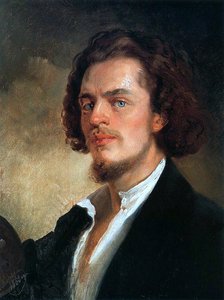
Konstantin Yegorovich Makovsky
1839 - 1915 , Russia
Quick Facts
- Artistic Movement Or Style: Realism, Academic art
- Artists Or Movements Influenced By This Artist: ['Russian Impressionism']
- Artists Who Influenced This Artist:
- Karl Bryullov
- Vasily Tropinin
- Date Of Birth: June 20, 1839
- Date Of Death: 1915
- Full Name: Konstantin Yegorovich Makovsky
- Nationality: Russian
- Notable Artworks:
- The Russian Bride's Attire
- Death of Ivan the Terrible
- Place Of Birth: Moscow, Russia

