

 Preview
 Send
Send Share
Share
 Details

 Download
 Similars
 X-Ray
X-Ray Diaporama
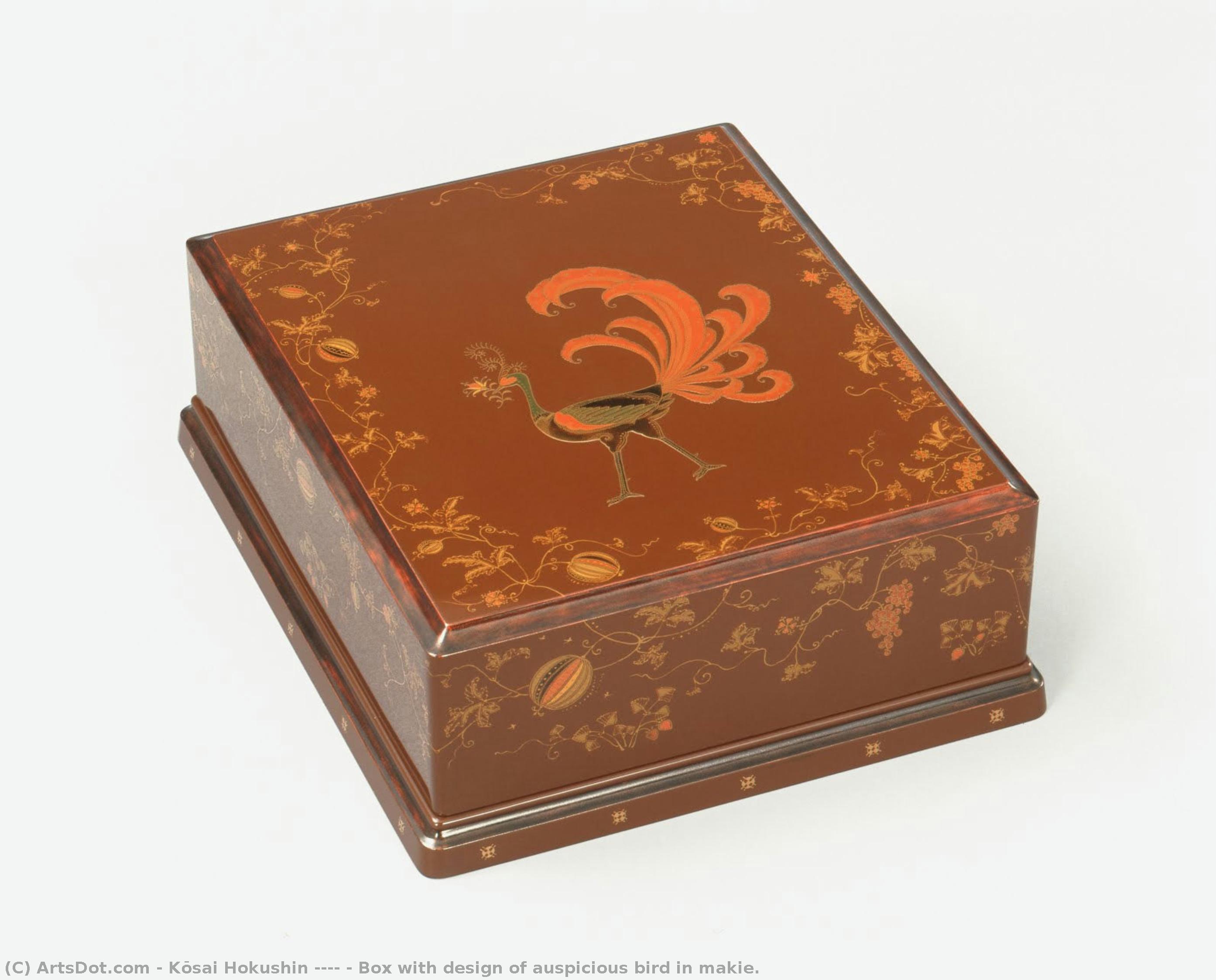
Box with design of auspicious bird in makie.

 Read More
Purchase a high-resolution, enhanced digital image, far superior to the online preview.
Each file is meticulously prepared by our in-house specialists using advanced tools and expert manual retouching. We ensure every image has exceptional clarity, precise color accuracy, and fine detail.
The final file is delivered via email within 72 hours, optimized for immediate use in professional, editorial, and print environments. This is the same quality trusted by top-tier design studios, publishers, and galleries.
Digital Image
Download a high-resolution file for personal display, printing, and creative projects. ( Buy Print Buy Hand Made Painting)
Included in Every Digital Image Order
Expert Digital Delivery, Guaranteed
When you choose ArtsDot.com, you're not just getting an image - you're receiving a professionally enhanced digital artwork, crafted with precision and backed by a satisfaction guarantee. Here's everything that comes with your order, automatically:

Fast Email Delivery
Your high-resolution digital image file will be emailed to you within 72 hours of ordering - ready for immediate use.

AI-Enhanced Digital File
Your artwork is professionally optimized using advanced AI tools and manual editing, ensuring maximum detail, clarity, and color accuracy.

Free Lifetime Re-Delivery
Accidentally deleted or lost your file? No worries - we'll resend it to you anytime, free of charge.

No Import Fees - Ever
Enjoy your artwork instantly with zero customs, duties, or delivery fees - digital downloads are always tax-free.

Color Accuracy Guarantee
We ensure your digital image reflects the original colors as closely as possible using professional tools and color management.

100-Day Satisfaction Guarantee
If you're not satisfied with your digital image, we'll revise it or refund 100% within 100 days - no questions asked.

100% Money-Back Guarantee
Not satisfied? Get a full refund within 100 days of receiving your digital file - no questions asked.

Bulk Order Discounts
Buy 3 images, save 10% - Buy 5, save 15% - Buy 10+, save 20%. Great for creative projects, galleries, and agencies.
Related Artworks









Artist Biography
Kōsai Hokushin: Echoes of Celestial Guidance and Imperial Legacy
Kōsai Hokushin (蛟斎北岑), born in Tokyo in 1824, remains a somewhat enigmatic figure within the vibrant tapestry of Edo-period Japanese art. Despite limited biographical details readily available, his contribution to the artistic landscape—particularly his masterful depiction of Empress Jingū—continues to resonate with scholars and collectors alike. Hokushin’s work embodies the spirit of his time: a blend of meticulous observation, symbolic representation, and technical prowess rooted in traditional Chinese ink painting techniques adapted for silk canvases.Early Life and Artistic Training
Information regarding Hokushin's formative years is scarce. He emerged from Edo’s artistic milieu—a crucible of innovation fostered by the patronage of samurai clans and a fervent devotion to Neo-Confucian ideals—likely receiving instruction from prominent masters who championed the veneration of the North Star (Kokuyō). This celestial symbol held profound significance within Japanese cosmology, representing stability, prosperity, and divine protection. Hokushin’s artistic sensibilities were undoubtedly shaped by this cultural context, informing his stylistic choices and thematic concerns.The Legend Embodied: ‘Empress Jingū’
Perhaps Hokushin's most celebrated achievement is “The Legendary Empress Jingū,” a breathtaking hanging scroll executed in mid-19th century. This artwork transcends mere visual representation; it serves as a testament to Hokushin’s command of the gold medium—a technique considered exceptionally difficult and imbued with auspicious symbolism. The depiction portrays Jingū, a warrior queen revered for her courage and piety, cradling her son Ōjin, who would ascend to the throne and usher in an era of peace and prosperity. Surrounding Jingū is Takouchi no Sukune, her trusted general, depicted holding a fan adorned with imagery reflecting the benevolent influence of the Big Dipper’s Polaris star—a deliberate invocation of celestial guidance intended to secure imperial legitimacy. Hokushin's meticulous brushwork captures both the serene dignity of Jingū and the dynamic energy of military prowess, demonstrating his ability to convey complex ideas through visual language.Technique and Style
Hokushin’s artistic style aligns closely with the prevailing trends of Edo-period art, prioritizing clarity of form and expressive tonal gradation—a hallmark of Chinese ink wash painting (sumi-e). However, he skillfully adapted these techniques for silk canvases, achieving remarkable luminosity and textural depth. The use of gold leaf—particularly in “Empress Jingū”—elevates the artwork beyond mere depiction, transforming it into a symbol of imperial grandeur and spiritual aspiration. Hokushin’s meticulous attention to detail—evident in the rendering of facial expressions, drapery folds, and subtle nuances of color—underscores his dedication to artistic excellence.Influence and Legacy
While Hokushin's individual oeuvre remains relatively modest compared to contemporaries like Hokusai, he nonetheless exerted considerable influence on subsequent generations of artists. His unwavering commitment to Neo-Confucian principles—expressed through the depiction of Jingū’s virtuous reign—contributed to a broader artistic discourse focused on moral contemplation and cosmological harmony. “The Legendary Empress Jingū” continues to inspire admiration for its technical virtuosity and profound symbolic resonance, cementing Hokushin's place as a significant voice within Edo-period art history. His work serves as a poignant reminder of the enduring power of tradition and the transformative potential of artistic expression.
kōsai hokushin 蛟斎北岑
1824 - 1876 , Japan
Quick Facts
- Artistic Movement Or Style: Edo period art
- Artists Or Movements Influenced By This Artist: ['Katsushika Hokusai']
- Date Of Birth: Tokyo, Japan (1824)
- Full Name: kōsai hokushin 蛟斎北岑
- Nationality: Japanese
- Notable Artworks: ['The Legendary Empress Jingū']
- Place Of Birth: Tokyo