

 Preview
 Send
Send Share
Share
 Details

 Download
 Similars
 X-Ray
X-Ray Diaporama
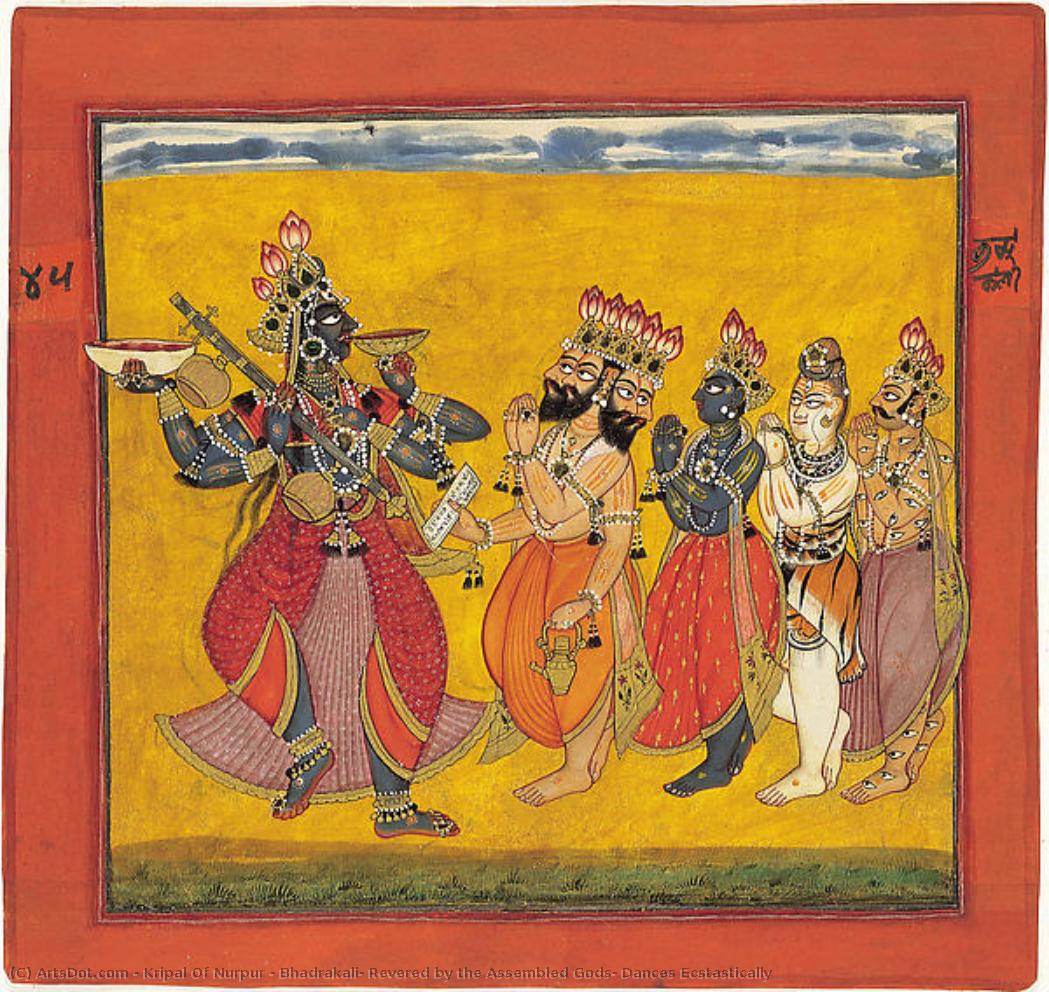
Bhadrakali, Revered by the Assembled Gods, Dances Ecstastically
 1660
1660 21.0 x 22.0 cm
 Read More
Purchase a high-resolution, enhanced digital image, far superior to the online preview.
Each file is meticulously prepared by our in-house specialists using advanced tools and expert manual retouching. We ensure every image has exceptional clarity, precise color accuracy, and fine detail.
The final file is delivered via email within 72 hours, optimized for immediate use in professional, editorial, and print environments. This is the same quality trusted by top-tier design studios, publishers, and galleries.
Digital Image
Download a high-resolution file for personal display, printing, and creative projects. ( Buy Print Buy Hand Made Painting)
Included in Every Digital Image Order
Expert Digital Delivery, Guaranteed
When you choose ArtsDot.com, you're not just getting an image - you're receiving a professionally enhanced digital artwork, crafted with precision and backed by a satisfaction guarantee. Here's everything that comes with your order, automatically:

Fast Email Delivery
Your high-resolution digital image file will be emailed to you within 72 hours of ordering - ready for immediate use.

AI-Enhanced Digital File
Your artwork is professionally optimized using advanced AI tools and manual editing, ensuring maximum detail, clarity, and color accuracy.

Free Lifetime Re-Delivery
Accidentally deleted or lost your file? No worries - we'll resend it to you anytime, free of charge.

No Import Fees - Ever
Enjoy your artwork instantly with zero customs, duties, or delivery fees - digital downloads are always tax-free.

Color Accuracy Guarantee
We ensure your digital image reflects the original colors as closely as possible using professional tools and color management.

60-Day Satisfaction Guarantee
If you're not satisfied with your digital image, we'll revise it or refund 100% within 60 days - no questions asked.

100% Money-Back Guarantee
Not satisfied? Get a full refund within 60 days of receiving your digital file - no questions asked.

Bulk Order Discounts
Buy 3 images, save 10% - Buy 5, save 15% - Buy 10+, save 20%. Great for creative projects, galleries, and agencies.
Related Artworks

Artist Biography
A Divine Hand: The Life and Art of Kripal of Nurpur
Kripal of Nurpur, a name resonating through the annals of Pahari painting, stands as a pivotal figure in 17th-century Indian art. Born in Nurpur, India around the mid-1600s, his life coincided with a flourishing period for miniature painting, particularly within the hill states of the Western Himalayas. While precise biographical details remain elusive—a common fate for artists of this era whose renown often rested solely on their work—Kripal’s artistic output speaks volumes about his skill, innovation, and deep engagement with both indigenous traditions and Persian influences. He is believed to have been active between 1660 and 1690, a relatively short but intensely productive span that left an indelible mark on the evolving Pahari style. His death date is unknown, though it’s generally accepted he passed around 1690. Kripal wasn't merely a painter; he was a visual storyteller, a devout observer of mythology, and a master colorist who captured the essence of divine energy on paper.The Courtly Context and Early Influences
Kripal’s career unfolded within the courts of Nurpur, a small but strategically important kingdom in present-day Himachal Pradesh. These courts were vibrant centers of artistic patronage, eager to commission paintings that celebrated their lineage, religious beliefs, and cultural identity. The Pahari style itself was emerging as a unique synthesis—a delicate balance between the bold linearity and bright palettes of Rajasthani painting and the refined naturalism and intricate detail characteristic of Persian miniature art. The Mughal empire’s influence permeated these regions, not through direct control but through the exchange of artists, ideas, and aesthetic sensibilities. Kripal absorbed these diverse currents, skillfully weaving them into his own distinctive artistic language. His early works demonstrate a clear understanding of traditional Indian iconography, particularly depictions of Hindu deities like Bhadrakali, yet they also reveal a growing sophistication in spatial representation and compositional complexity—elements directly attributable to Persian precedents.Bhadrakali: A Masterpiece of Dynamic Space
Kripal’s most celebrated work, Bhadrakali, revered by the assembled gods, dances ecstastically (dated 1660), exemplifies his groundbreaking approach to painting. The artwork depicts the fierce goddess Bhadrakali in a whirlwind of movement, surrounded by a throng of deities offering her reverence and adoration. What sets this painting apart is Kripal’s innovative use of multiple vanishing points—a technique rarely seen in Indian art prior to this period. This creates a dynamic, almost kaleidoscopic effect, drawing the viewer into the heart of the divine spectacle. The composition isn't static; it pulsates with energy, mirroring the goddess’s ecstatic dance. The vibrant color palette, rich jewel tones, and meticulous detailing further enhance the painting’s visual impact. It is considered a seminal work in the development of Pahari painting, showcasing a new level of sophistication in spatial representation and emotional intensity.Artistic Style and Legacy
Kripal's style wasn’t limited to just one technique; he was an innovator who constantly experimented with form, color, and composition. His paintings are characterized by:- Intricate detailing and refined brushwork.
- A bold and vibrant use of color, often employing jewel tones and contrasting hues.
- The innovative application of multiple vanishing points to create dynamic spatial representations.
- A deep understanding of Hindu mythology and iconography.
- A harmonious blend of traditional Indian and Persian artistic elements.
Historical Significance and Enduring Appeal
Kripal of Nurpur’s work offers a fascinating glimpse into the cultural landscape of 17th-century India—a period marked by artistic exchange, religious fervor, and political intrigue. His paintings are not merely decorative objects; they are windows into the beliefs, values, and aesthetic sensibilities of the time. Today, his artworks are highly prized by museums and collectors worldwide, serving as a testament to his enduring skill and innovative vision. The rediscovery and appreciation of Pahari painting in recent decades have further cemented Kripal’s place as one of India's most important artists, ensuring that his divine hand continues to inspire awe and wonder for centuries to come.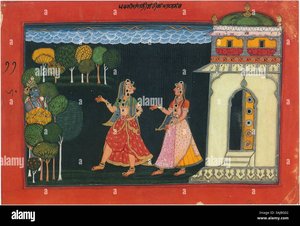
kripal of nurpur
India
Quick Facts
- Artistic Movement Or Style: World Goes Pop
- Artists Or Movements Influenced By This Artist: ['Influenced by pop art and contemporary social commentary']
- Artists Who Influenced This Artist: ['Influenced by diverse artists within the World Goes Pop movement']
- Date Of Death: Living
- Notable Artworks: ['Various works featured in The World Goes Pop exhibition']
- Place Of Birth: WahooArt

