 Preview
 Send
Send Share
Share
 Details

 Download
 Similars
 X-Ray
X-Ray Diaporama
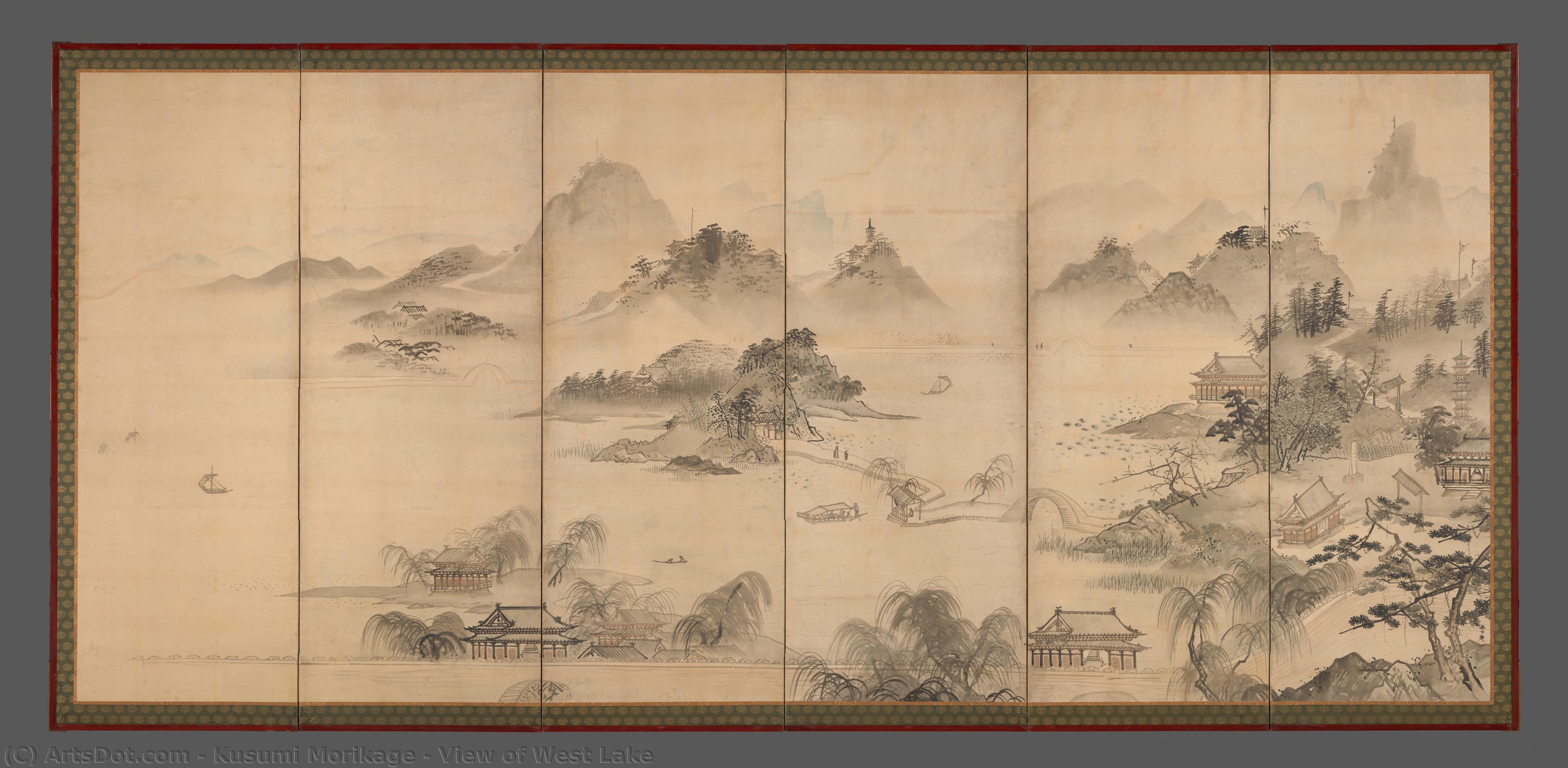
View of West Lake
 601
601 175.0cm x 372.0cm
 Read More
Hand Made Oil Reproduction
Hand-painted oil on canvas in your size and frame, made to order by our artists. ( Buy Print Buy Image)




































Pick from our preset sizes that match the artwork's original proportions.

You may enter your own dimensions to fit a specific frame or space. If your selected size does not match the original image's proportions, we will either crop the artwork or extend the painting with additional hand-painted elements. A digital mockup will be sent for your approval before production begins.
Please note that the on-screen preview does not reflect the actual cropping or extension. Only the mockup will accurately show the final composition.
While custom sizes are available, we recommend selecting a dimension from the predefined list to preserve the original proportions.
After order, ArtsDot.com team will email client for instructions and provide a mockup preview
Worldwide Delivery () in 3/4 weeks instead of standard 5 weeks. (23 August). No compromise on quality.

Free Worldwide Express Shipping

High-Quality Linen Canvas

Full Shipping Insurance

Customs Tax Refund Guarantee

True Color Matching Guarantee

60-Day Return Policy (Defects Only)

100% Money-Back Guarantee

Bulk Discount Offer
 Glass option is only available in size under 110 CM

View of West Lake
Reproduction Medium
Reproduction Size
-


Total Price
$ 263
Artwork Description
Related Artworks









Artist Biography
A Gentle Gaze at Familiar Things: The Life and Art of Kusumi Morikage
Kusumi Morikage (久隅 守景, c. 1620–1690) remains a somewhat enigmatic figure in the landscape of Edo period Japanese painting, yet his work speaks volumes about a pivotal moment of transition and burgeoning social consciousness. Born in Kaga Province – the heartland of the powerful Maeda clan – Morikage’s artistic journey was marked by both rigorous training within established traditions and a courageous departure that ultimately defined his unique style. While precise details of his early life are scarce, it is known he initially studied under Kanō Tan'yū, one of the most prominent painters of the era. This foundational education instilled in him a mastery of ink techniques and compositional principles characteristic of the Kanō school, but Morikage’s spirit proved too independent to remain confined within its strictures. A falling out with his teacher led him away from the formal academy and towards a path of individual expression, eventually securing patronage from the Maeda clan later in life.Breaking with Tradition: The Development of a Distinctive Style
Morikage's significance lies not merely in technical skill – which was considerable – but in his deliberate shift in subject matter and approach. Unlike many artists of his time who focused on classical themes or portraits of the elite, Morikage turned his attention to the everyday lives of ordinary people, particularly farmers and rural communities. This focus wasn’t simply a stylistic choice; it reflected a deep sympathy for the working class and a subtle critique of the social hierarchies prevalent during the Edo period. His paintings are imbued with a quiet dignity and lyrical quality that elevates these scenes beyond mere documentation. He moved away from the dense, narrative-filled screens favored by his Kanō contemporaries, opting instead for more singular, monumental figures dominating the pictorial field. This compositional strategy, coupled with his masterful use of ink modulation – ranging from delicate washes to bold, expressive brushstrokes – created a visual language that was both powerful and deeply personal. He skillfully blended *hatsuboku* (splashed ink) and *hakubyo* (line drawing), demonstrating an exceptional command of traditional techniques while simultaneously forging new ground.Themes of Rural Life and Social Commentary
The works for which Morikage is best known depict scenes of family life, agricultural labor, and leisure activities in the countryside. Family Enjoying the Evening Cool, perhaps his most celebrated painting, exemplifies this focus. The image portrays a peasant family relaxing under a gourd trellis on a warm evening, bathed in the soft glow of moonlight. The artist’s attention to detail – the roughness of the husband's hands, the gentle curves of the wife’s body, the playful energy of their child – conveys a sense of intimacy and authenticity rarely seen in earlier Japanese painting. This wasn’t simply an aesthetic preference; it was a conscious effort to represent the lives and values of those often overlooked by traditional art forms. His paintings subtly challenged the prevailing social order by imbuing these scenes with dignity and beauty, suggesting that value lay not solely in status or wealth but also in the simple pleasures of everyday life. The influence of poetry from figures like Kinoshita Chôshôshi is evident in his work, further grounding it in a specific cultural context.Legacy and Historical Significance
Kusumi Morikage’s impact extends beyond the beauty of his individual paintings. He is considered a pioneer in visually conceptualizing “rural manners and customs,” paving the way for future artists to explore similar themes. His daughter, Kiyohara Yukinobu (1643–1682), also became an accomplished painter – a remarkable achievement for a woman during that era – further solidifying the family’s artistic legacy. While his career wasn't extensively chronicled, Morikage’s work represents a crucial turning point in Japanese art history. He embodied the spirit of innovation and independence that characterized the Edo period, challenging established norms and forging a new path for artistic expression. His paintings offer a rare glimpse into the lives of ordinary people during a time of significant social and political change, reminding us of the power of art to reflect – and even subtly critique – the world around it. His gentle gaze at familiar things continues to resonate with viewers today, offering a poignant reminder of the enduring beauty and dignity of human life.Major Works & Current Locations
- Dragon and Tiger (1613) - Tokyo National Museum.
- Phoenix (early 17th century) - MOA Museum of Art.
- Family Enjoying the Evening Cool – A masterpiece held in various private collections and museums, often featured in exhibitions.
- Landscape Screens Depicting Farming in the Four Seasons – Scattered across several Japanese institutions.
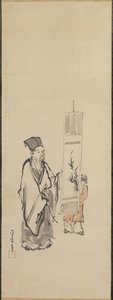
kusumi morikage
1690 , Japan
Quick Facts
- Artistic Movement Or Style: Edo Period Painting
- Artists Or Movements Influenced By This Artist: ['Kiyohara Yukinobu']
- Artists Who Influenced This Artist: ["Kanō Tan'yū"]
- Date Of Birth: c. 1620
- Date Of Death: 1690
- Full Name: Kusumi Morikage
- Nationality: Japanese
- Notable Artworks:
- Enjoying the Evening Cool
- Landscape Screen
- Falconry Folding Screens
- Family Enjoying the Evening Cool
- Dragon and Tiger
- Phoenix
- Place Of Birth: Tokyo, Japan